

Thinking about buying a place in Playa del Carmen? This short, practical walkthrough covers planning, legal basics, neighborhoods, budgets & timelines so you can move with confidence. You’ll see what to expect from a Notario, a bank trust, and closing costs, plus smart steps to protect your money and your future rental income.
Table Of Contents
- Planning and budgeting for Playa del Carmen condos
- Legal path and ownership
- Neighborhoods and property types
- Offer → close workflow
- Taxes and ongoing compliance
- How BuyPlaya Real Estate Advisors supports foreign buyers
- Quick step-by-step roadmap
- Conclusion
- Related Posts
- Frequently Asked Questions (FAQs)
Key Takeaways
- Define use (live, vacation, short-term rent), set a USD and MXN budget, and factor 5–8% closing costs, HOA dues & annual trust fees
- Foreigners buy in the restricted zone via a fideicomiso (bank trust); a Notario leads the SRE permit, deed, and registry — keep earnest money in neutral escrow
- Do real due diligence: verify title at the Registro Público, make sure the condo regime is recorded, review HOA bylaws, minutes and reserve; check rental rules, parking, utilities; inspect for humidity and noise
- Expect 30–60 days to close on resales; pre‑construction varies. Get your RFC for rentals and taxes with SAT, save invoices to reduce future tax. Simple steps, fewer surprises
- BuyPlaya is the premier real estate broker for foreign investors in Playa del Carmen, Tulum, and the Riviera Maya of Mexico. Successfully assisting clients for over 20 years in purchasing homes, condos, investment, beachfront, and commercial properties in Mexico.
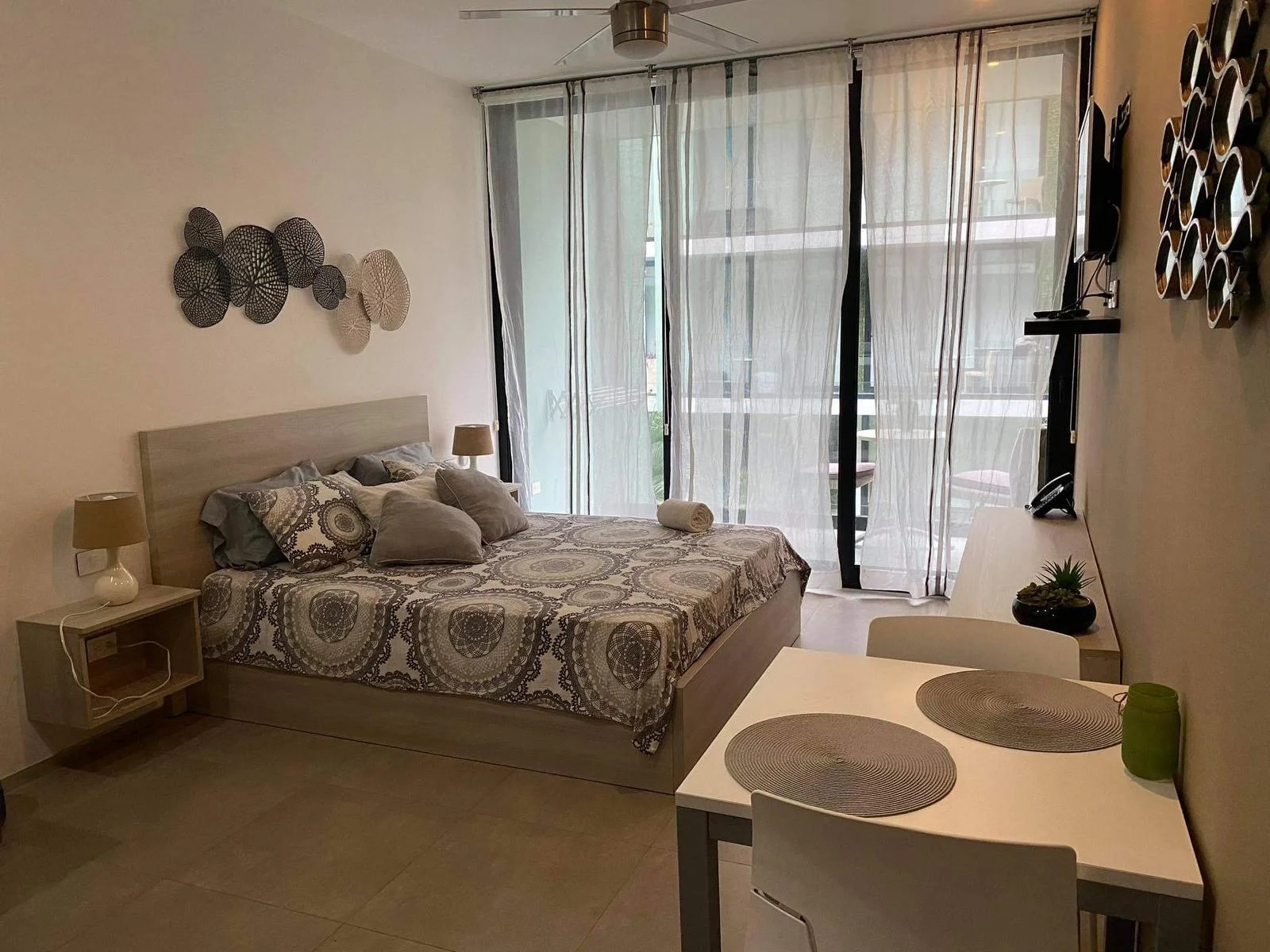
Planning and budgeting for Playa del Carmen condos
Define use and exit plan first
Decide how you’ll use the condo and for how long. This shapes budget, location, floor plan, and paperwork.
- Full-time or snowbird use: prioritize secure parking, storage, HOA strength, hurricane shutters, quiet building rules.
- Vacation home with occasional rental: look for buildings that allow short-term rentals (STR) and have concierge and key exchange options.
- STR-first investment: target areas with proven occupancy, check rental rules and building amenities that boost ADR (pool, rooftop, gym, elevator).
- Exit plan: how long you’ll hold, whether you’ll 1031 out of the U.S. (seek tax counsel), whether you’ll upgrade to a larger unit later.
Copy/paste prompt to define use:
- Primary goals (lifestyle, income, appreciation):
- Weeks per year you’ll be there:
- Rental target (occupancy %, nightly rate):
- Must-have amenities:
- Deal-breakers (noise, pets, stairs, HOA caps, etc.):
- Exit timing and trigger:
Set a realistic budget in MXN and USD
Price in Riviera Maya is typically shown in USD. Your closing is calculated in MXN at the Notario’s official exchange rate on the day of signing. Track currency risk.
- Watch daily USD/MXN at the central bank: Banxico.
- Use two budgets: USD purchase budget and MXN cash-on-hand for closing costs and fees.
- Hold contingency for FX moves (2–5% buffer is prudent).
Basic budget lines:
- Purchase price (USD)
- Closing costs (MXN)
- Furnishings and small appliances (USD/MXN)
- Pre-opening fixes/snags (MXN)
- HOA reserve prepayment (MXN)
- Annual costs (HOA, fideicomiso, insurance) prorated
- Property management onboarding (if renting)
Quick template (editable):
- Price cap: $
- Cash available today: $
- Max monthly carry (HOA + trust + insurance): $
- Upgrades/furniture reserve: $
- FX buffer (3% of price): $
- Emergency cash reserve (6 months of HOA + insurance): $
Cash, developer financing, or cross-border lending
Most Playa del Carmen condo purchases are cash or developer-financed for pre-construction. Mortgages for foreigners exist but are niche and slower.
Financing snapshot:
| Option | Typical terms | Pros | Watch-outs |
|---|---|---|---|
| Cash | Wire funds at closing | Price leverage, fastest close, fewer contingencies | FX timing, opportunity cost |
| Developer financing | 20–50% down, 12–36 months; sometimes interest-free periods | Easier approval, flexible schedules | Title delivers at completion; interest or price escalators possible |
| Cross‑border lending | 50–70% LTV, 10–25 year amortization, USD rates | Keep liquidity, lock long-term | More docs, longer underwriting, closing costs higher |
Tip: Ask your broker to model total cost of capital. A slightly lower price with cash or a developer early-bird discount can beat long amortization in total dollars paid.
Estimate closing costs in Quintana Roo
Budget 5–9% of price for closing, depending on structure and price point. Line items typically include:
- ISAI transfer tax (Impuesto Sobre Adquisición de Inmuebles): commonly about 3% of assessed value (Notario clarifies final base).
- Notario fees: roughly 0.5–1.5% with minimums applied.
- Escrow service: around $500–$1,200 USD (third-party).
- Avaluo (valuation/appraisal): ~$300–$700 USD equivalent.
- Certificates and searches (no liens, zoning, condo regime): MXN line items.
- SRE permit (foreign purchase in restricted zone—if using trust): small fee, usually included by Notario in the trust package.
- Fideicomiso (bank trust) setup: about $1,500–$3,000 USD; annual fee $500–$800 USD.
- Courier, translation (if needed), and administrative fees.
Illustrative example for a $300,000 USD resale:
- ISAI ~3%: MXN equivalent of $9,000 USD
- Notario and registry: ~$2,500–$4,500 USD
- Escrow + appraisal: ~$1,200 USD
- Fideicomiso setup: ~$2,000 USD; annual ~$650 USD
Total: ~$15,000–$18,000 USD equivalent. Confirm with your Notario for your property.
Timeline from offer to keys
- Resale with existing title/trust: 45–90 days after offer acceptance (faster if you already have an RFC and bank trust bank chosen).
- Pre-construction: from reservation until delivery; 12–24+ months is common; allow 30–60 days post-delivery for title if it’s a new condo regime.
Add to your calendar:
- HOA dues: monthly or quarterly (often $150–$400 USD/mo, more with full amenities).
- Fideicomiso annual fee: once per year; your trust bank invoices.
- Insurance: annual; consider hurricane and flood. Many pay $300–$900 USD annually for a typical 1–2 bedroom unit.
- Property tax (predial): low by U.S./Canada standards; pay annually for early-payment discounts.
Legal path and ownership
Restricted zone and how foreigners buy
Playa del Carmen sits in Mexico’s restricted zone (within 50 km of the coast), so foreigners don’t take title directly in their name. You typically use:
- A bank trust (fideicomiso) in your personal name(s), or
- A Mexican company (S.A. de C.V. or S. de R.L.) when the use is commercial—e.g., multiple rental units, or broader business operations.
The fideicomiso is a real property rights trust where the bank holds title for your benefit, and you retain full rights to use, rent, sell, bequeath, and finance. It’s renewable and transferable.
When a corporation makes sense
- Operating multiple STR units, adding staffing, or broadening into other commercial activities.
- You need specific tax treatment or plan to add partners/investors.
- You will manage through a local property management entity.
A corporation adds accounting, monthly filings, payroll if staff, and annual fees. Discuss with a Mexican CPA and your Notario before choosing.
Secure the SRE permit early
Foreign buyers need authorization from Mexico’s Ministry of Foreign Affairs for restricted-zone acquisitions (typically processed as part of the trust). Start early to avoid timing issues:
- Ministry site: SRE
- Your Notario or trust bank usually files this for you.
The Notario’s public-faith role
In Mexico, the Notario Público is a highly trained attorney appointed by the state, charged with public faith. They:
- Confirm the seller’s right to sell, perform a title search, and obtain certificates (freedom of liens, tax, and HOA status).
- Ensure correct calculation and payment of taxes and registry costs.
- Draft and formalize the Escritura (deed).
- Collect and disburse closing funds per settlement.
Learn more at the national association: Colegio Nacional del Notariado Mexicano
Note: your private lawyer may review contracts and protect you, but the Notario’s determinations govern the conveyance.
Title search in Quintana Roo
Your Notario will:
- Pull title documents and verify chain of title at the Registro Público de la Propiedad y del Comercio (Quintana Roo).
- Request certificados de libertad de gravamen (no-liens certificates).
- Confirm property tax and utility clearance, and that no municipal embargo is pending.
Verify the condo’s legal framework
For condos, confirm:
- The recorded Régimen de Propiedad en Condominio (condo regime) exists and matches the physical project.
- Bylaws (Reglamento) allow your intended use (STR, pets, parking assignments).
- Actas (meeting minutes) and budgets reflect a working reserve fund and solvent operations.
- No extraordinary assessments pending—or fully disclosed if there are any.
- HOA insurance and maintenance schedules exist (elevators, roofs, water systems).
AML/KYC compliance
Mexico’s anti‑money laundering rules require:
- Official ID (passport), proof of address, and tax ID (RFC if available).
- Source of funds statements (bank letters, wire receipts).
- Beneficiary disclosures for trusts and companies.
Plan ahead; your broker and Notario will give you the exact checklist.
Neighborhoods and property types
Where to look in Playa del Carmen
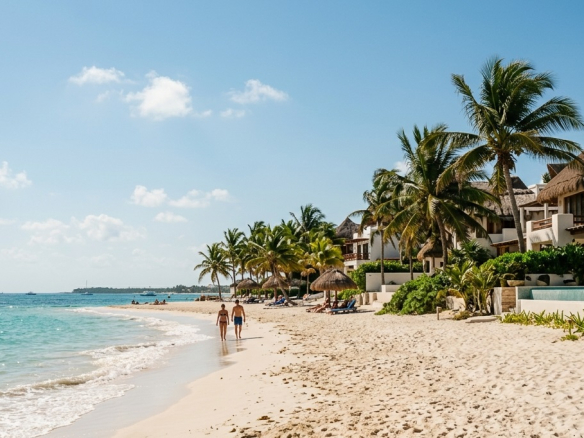
- Playacar Phase I: beach-proximate, low density, villas and boutique condos, gated with private beach access. Strong for lifestyle buyers.
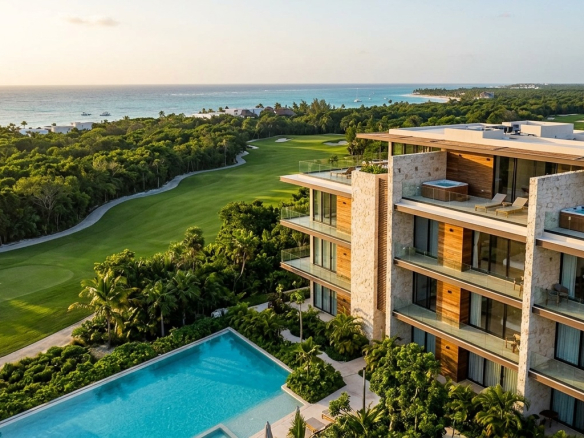
- Playacar Phase II: golf course setting, quiet streets, gated; larger condos, townhouse options, family-friendly, good long-term rental base.
- Centro/Gonzalo Guerrero: walk-to-everything, Fifth Avenue energy, restaurants and nightlife. STR-friendly pockets; expect more noise.
- Coco Beach: north-end beach vibe, newer buildings, rooftops with sea views; rental demand is strong, especially in season.
- Zazil‑Ha: mixed-use growth area, trendy cafes, good STR yields when managed well. Still developing block-by-block.
- 38th Street corridor: leafy, boutique feel, higher-end dining; premium for ambiance and walkability to the beach.
- El Cielo: gated north of town, quieter, suburban feel; good for end-users or longer-term tenants, less nightlife impact.
Ask about construction nearby. A quiet block today may change next season.
Resale vs pre‑construction
Choose based on timing and risk tolerance.
| Factor | Resale | Pre‑construction |
|---|---|---|
| Delivery | Immediate (after close) | 12–24+ months |
| Price | Market-based | Often lower entry, promotions |
| Visibility | See exact unit and views | Floor plans and renders only |
| Customization | Limited | More options early |
| Financing | Escrow + trust; possible bank loan | Developer schedules common |
| Risk | Lower title/timing risk | Developer execution risk |
| Rentals | Start quickly | Starts after delivery |
If going pre‑con, verify developer track record, previous deliveries, and actual condo regime filing timing.
What to check in buildings and units
- Construction quality: look for solid carpentry, sealed windows, adequate drainage, grounded outlets, GFCIs near wet areas.
- Moisture and humidity: check for mold spots, proper ventilation, dehumidifier drains, AC maintenance records.
- Noise: rooftop bars, mechanical rooms, and elevator proximity. Visit at night and weekend.
- HOA solvency: request budget, reserves, arrears rate, current contracts (elevator, pool, security).
- Rules: STR permissions, pet policies, quiet hours, guest registration procedure.
- Parking and storage: deeded vs assigned, street-parking reality, bike storage, surf/paddle storage.
- Utilities: water pressure, backup cistern, generator presence, fiber internet availability.
Due diligence list to copy:
- Condo regime, bylaws, minutes (past 12 months)
- HOA financials and insurance
- Proof of paid utilities and predial
- Elevator maintenance logs, pool system service
- Past special assessments and notices
- Noise map (your own observation)
Offer → close workflow
Write the offer with clear contingencies
Your broker drafts the offer in English and Spanish where needed. Include:
- Price, inclusions (furniture/inventory), and target closing window.
- Contingencies: clean title, HOA and utility clearance, inspection, appraisal, trust approval, and financing (if any).
- Earnest amount and escrow instructions.
- Penalties and cure periods for both sides.
Use a simple conditions checklist:
- Title/lien free?
- Condo regime and bylaws verified?
- Inspection acceptance?
- HOA docs reviewed?
- Trust bank confirmed?
Send earnest money to third‑party escrow
Protect funds with neutral escrow, not to the seller or developer directly.
- Funds remain until contingencies are satisfied.
- Release schedule should match contract milestones.
- Escrow fee split is negotiable.
Promissory Agreement (Promesa de Compraventa)
Once key conditions are set, parties sign the Promesa. It defines the obligations and timeline to move to the formal deed. For pre‑con:
- Attach payment schedule tied to construction milestones.
- Add late-delivery penalties and grace periods both ways.
- Define what constitutes “delivery” for snag/defect remediation.
Inspections and snag list
- Resale: engage a local inspector; verify ACs, appliances, plumbing, moisture meters, and electrical.
- Pre‑con: do a walkthrough for snag list (punchlist). Agree timeframes for fixes and holdback if needed.
Bring a simple checklist to the visit:
- Water pressure and hot water in all fixtures
- Drainage tests (showers, sinks)
- AC cooling and condensate drainage
- Window and door seal integrity
- Appliance operation and serials
- Internet signal test
Appraisal and trust onboarding
- Appraisal (avaluo) supports taxes and registrations.
- Choose your trust bank early; they’ll KYC you and issue the trust terms (fees, beneficiaries). Common banks operate nationwide.
- If transferring an existing trust (in a resale), the Notario coordinates an assignment or substitution with the bank.
Notario drafts the Escritura
The Notario compiles:
- Title chain, certificates (no liens/encumbrances), tax clearances.
- Closing cost breakdown and settlement statement.
- Final deed with foreigner clauses and SRE authorization.
Review the settlement statement line by line. Confirm who pays what, and the exchange rate applied that day.
Final funds and signing
- Wire remainder to escrow as instructed.
- You attend closing locally or grant a limited power of attorney. translators can be arranged if needed.
- Seller is paid from escrow at deed recording or upon Notario’s instruction.
Utilities, HOA, and municipal updates
Post-closing tasks your broker or manager can help with:
- CFE electric account transfer or new account.
- Water (Aguakan) transfer.
- Internet/cable setup.
- HOA access: keys, fobs, parking stickers, and owner portal enrollment.
- Predial (property tax) registration in your name and update of mailing address for notices.
Keys, inventories, and digital records
- Receive keys/fobs, furniture inventory (if furnished), appliance manuals.
- Request digital copies: deed (Escritura) scan, trust agreement, closing statement, appraisals, HOA letters, and paid receipts.
- If renting, hand off to your property manager with house rules, Wi‑Fi codes, and brand assets for listings.
Taxes and ongoing compliance
Obtain an RFC (tax ID)
Foreign owners who will rent need an RFC (Registro Federal de Contribuyentes) to report income in Mexico.
- Start at the tax authority site: SAT
- You’ll need passport, immigration status, Mexican address for notifications, and Notario or accountant guidance.
- Many owners appoint a Mexican CPA and sign a power of attorney to handle filings.
Rental income, VAT (IVA), and withholdings
Short-term rentals are taxed in Mexico. Main points for non-residents:
- ISR (income tax): if you don’t register for a regime with deductions, the payer (platform or manager) may withhold a percentage of gross rents (commonly 25% for non-residents). If you register under a business activity regime, you can deduct expenses and pay tax on net at progressive rates; a CPA will file monthly.
- IVA (VAT): Short-stay lodging is generally subject to 16% IVA. Platforms and managers often withhold and remit portions of IVA/ISR on your behalf, but you remain responsible for accurate registration and filings.
- Deductible expenses (if on a net regime): HOA dues, property management, utilities used for rentals, cleaning, minor repairs, internet, insurance, advertising, platform fees, and depreciation where allowed.
Practical steps:
- Open a Mexico-specific bank account for rental flows if possible (easier reconciliation).
- Use monthly bookkeeping—keep XML invoices (CFDI) for deductions; your CPA will request these.
- Maintain a simple P&L by month with a document folder: contracts, invoices, HOA statements, and platform payout reports.
Mini template for expense tracking:
- Income: platform payouts, direct bookings
- Expenses: HOA, PM fee, cleaning, utilities, repairs, supplies, insurance, ads, taxes
- IVA collected and paid
- Net cash flow
- Cumulative YTD
Selling later and ISR at resale
- Notario withholds ISR (capital gains tax). As a non-resident, expect withholding on net gain; max rate may approach 35% on taxable gain if not eligible for principal residence relief.
- Your cost basis includes purchase price, certain acquisition expenses, Notario fees, and recorded improvements. Keep all invoices.
- Exchange rate differences do not by themselves create or reduce taxable gain in MXN terms—your Notario calculates per law.
- Ask the Notario for a preliminary ISR estimate well before listing.
Annual bank trust, HOA, and insurance calendars
- Fideicomiso fee: annual invoice from your trust bank; note bank cutoffs and late-fee policies.
- HOA dues: set auto-reminders; if renting, ensure the manager knows who pays what.
- Insurance: review hurricane deductibles, vacancy clauses, and improvements coverage annually across quotes.
- Preventive maintenance: AC servicing twice a year, dehumidifiers, balcony sealants, and roof inspections if top-floor.
Property management coordination and reports
For STR units:
- Define service levels in writing: response time, guest screening, stocking standards, revenue management, and reporting dates.
- Monthly owner statement should show nights sold, ADR, fees, laundry/cleaning, maintenance, and tax withholdings.
- Keep a rolling 12-month CapEx plan (appliances, linens, paint, deep cleans).
If you’re weighing returns, this post provides context on beachfront performance and risk: beachfront condo investment in Playa del Carmen.
Helpful references and professional standards
- Foreign-acquisition permit and requirements: SRE
- Currency reference and daily rates: Banxico
- Taxes, RFC, and electronic invoicing: SAT
- Notario roles and education: Colegio Nacional del Notariado Mexicano
- Professional ethics and agency practices: AMPI (Asociación Mexicana de Profesionales Inmobiliarios)
How BuyPlaya Real Estate Advisors supports foreign buyers
Clarity from planning through possession
As a long-standing brokerage for foreign investors in Playa del Carmen, Tulum, and the Riviera Maya, BuyPlaya focuses on:
- Right-fit neighborhoods based on use and budget, not just what’s for sale.
- Real-time rental comps, occupancy trends, and HOA intelligence from two decades of local closings.
- Vetted third parties: Notarios, trust banks, escrow, inspectors, CPAs, and property managers.
Safer transactions and fewer surprises
- Offers built with clear contingencies and escrow wiring instructions.
- Document checklists for AML/KYC, trust onboarding, and HOA verifications.
- Settlement statement walk-through before closing, so your MXN/USD flows are clean and confirmed.
Practical tools you can request
- Closing cost estimator by price tier and trust structure.
- STR underwriting worksheet (ADR, occupancy, seasonality, PM fees).
- Pre‑con developer due‑diligence matrix (deliveries, warranties, regime filing timing).
- Move‑in checklist (utilities, HOA setup, inventory, owner portal).
Quick step-by-step roadmap
Step 1: Define usage and budget
- Confirm personal use vs STR split; set price ceiling and MXN closing reserve.
- Track FX and set a 2–5% currency buffer.
Step 2: Shortlist neighborhoods and buildings
- Walk daytime and nighttime. Note noise, parking, and services.
- Request HOA rules and minutes early to avoid bad surprises.
Step 3: Build financing plan
- Choose cash, developer terms, or cross‑border lending.
- Ask your broker to map total cost and timing to delivery.
Step 4: Offer with contingencies
- Include title, HOA, inspection, trust, appraisal, and financing conditions.
- Send earnest money to neutral escrow only.
Step 5: Due diligence
- Notario opens file and title search; you review HOA docs, reserves, and insurance.
- Inspection or snag list; seller to cure or credit.
Step 6: Trust setup and SRE authorization
- Select trust bank; provide KYC package and beneficiaries.
- Notario processes the SRE authorization as part of the fiduciary deed.
Step 7: Review settlement and deed
- Confirm ISAI, fees, and exchange rate.
- Sign in person or by POA. Escrow disburses on Notario instruction.
Step 8: Post‑close operations
- Transfer CFE, water, and HOA access. Update predial.
- Set insurance. Prepare STR listings or enjoy your new place.
Step 9: Tax compliance
- Obtain RFC (if renting). Engage a CPA for monthly filings and IVA/ISR.
- Keep digital records; ask for XML invoices (CFDI) for deductions.
Step 10: Annual rhythm
- Pay trust fee, HOA, insurance renewals.
- Review STR performance, rates, and maintenance plans before high season.
Conclusion
Buying a condo in Playa del Carmen is doable. Set a budget, learn trusts and the Notario, check title, HOA and taxes. Choose area for living or rentals; follow offer‑to‑close to finish. Partner with Buyplaya Real Estate Advisors — the premier real estate broker for foreign investors in the playa del carmen, tulum, and riviera maya of Mexico. Successfully assisting clients for over 20 years purchasing homes, condos, investment, beachfront, and commercial properties in Mexico.
Related Posts
- Is A Beachfront Condo In Playa Del Carmen A Good Investment
- All Playa del Carmen Real Estate Listings
- How to Estimate Vacation Rental Income in Playa and Tulum
Frequently Asked Questions (FAQs)
What are the first steps for how to buy a condo in Playa del Carmen?
Start by setting a clear budget in USD and MXN, then watch exchange rates on the official Bank of Mexico site at Banxico. Decide your main use (living, vacation, or short‑term rental) because that shapes area, amenities, and HOA needs. Next, line up funds and choose neutral escrow for the earnest money. Begin light due diligence early: verify title, the condo regime, HOA rules, and rental policies. If you’ll finance, ask your lender what they need from the Notario so timing stays smooth.
As a foreigner—how to buy a condo in Playa del Carmen, do I need a fideicomiso?
Yes, because Playa del Carmen sits in Mexico’s restricted zone. You typically buy through a bank trust (fideicomiso): the bank holds title for your benefit, and you keep the right to use, sell, or will the property. Your Notario applies for the permit with the Foreign Affairs Ministry (SRE) and drafts the deed. Setup runs roughly US$1,500–3,000, with annual fees about US$500–1,000. A Mexican company is another path for some investors, but for most buyers the fideicomiso is simpler & standard.
What closing costs & taxes should I expect for how to buy a condo in Playa del Carmen?
Plan on roughly 5–8% of the price for closing costs in a typical resale. This can include the ISAI transfer tax (commonly around 3% in Quintana Roo), Notario fees, appraisal, public registry, escrow, trust setup, and misc. certificates. Annual costs: property tax (predial, modest) and the fideicomiso fee. If you rent, you’ll need to register for tax and handle IVA/ISR as applicable with Mexico’s Tax Authority (SAT). On a future sale, capital gains rules apply—save invoices for improvements to reduce tax. Small note: new builds may involve IVA on the construction portion.
How long does it take—how to buy a condo in Playa del Carmen from offer to keys?
For a resale, expect about 30–60 days. Steps run like this: offer and acceptance, earnest money into third‑party escrow, Promissory Agreement, due diligence (title, liens, condo docs), bank trust onboarding, Notario draft and signatures, then delivery. Pre‑construction varies; you’ll pay in milestones and get the deed at delivery once the condo regime is recorded. Utility transfers (CFE electricity & water) and HOA onboarding follow—keep copies of everything, digital and paper.
Why choose Buyplaya for how to buy a condo in Playa del Carmen (and Tulum, Riviera Maya)?
Buyplaya is the premier real estate broker for foreign investors in Playa del Carmen, Tulum, and the Riviera Maya of Mexico—successfully assisting clients for over 20 years purchasing homes, condos, investment, beachfront, and commercial properties in Mexico. The team focuses on clear contracts, neutral escrow, thorough condo‑regime and HOA checks, and coordination with trusted Notarios. They understand lender & bank‑trust timelines, rental goals, and practical after‑closing tasks. That long track record matters in a coastal market. Learn more or book a call at Buyplaya Real Estate Advisors.

Join The Discussion