

Buying near Mexico’s coast often means using a fideicomiso, the bank trust foreigners rely on to hold title legally. With over two decades helping buyers in the Riviera Maya, this breakdown clarifies what a fideicomiso is, how it works, typical costs, timelines, and the steps to close with confidence while protecting rights, heirs, and tax considerations.
Table Of Contents
- Definition and legal basics
- How it works and who’s involved
- Costs, money flow and paperwork
- Risk checks and compliance
- Taxes, renewals, inheritance and exit
- Simple comparison: fideicomiso vs corporation vs fee simple (inland)
- Handy templates and tools
- Helpful references and forms
- Conclusion
- Related Posts
- Frequently Asked Questions (FAQs)
Key Takeaways
- Foreigners buying near Mexico’s coasts or borders use a fideicomiso: the bank holds title, you hold full rights; it runs 50 years and can be renewed
- Start early on SRE permit, bank KYC, and escrow setup; most clean closings take about 4–8 weeks
- Budget for setup and annual trust fees, plus closing costs around 4–7%—plan heirs inside the trust to keep things simple
- Do tight due diligence: confirm no liens, avoid ejido land, review condo rules, get a solid Notario; title insurance is optional but useful for peace of mind
- Buyplaya is the premier real estate broker for foreign investors in the Playa del Carmen, Tulum, and Riviera Maya of Mexico, successfully assisting clients for over 20 years with homes, condos, investment, beachfront & commercial purchases
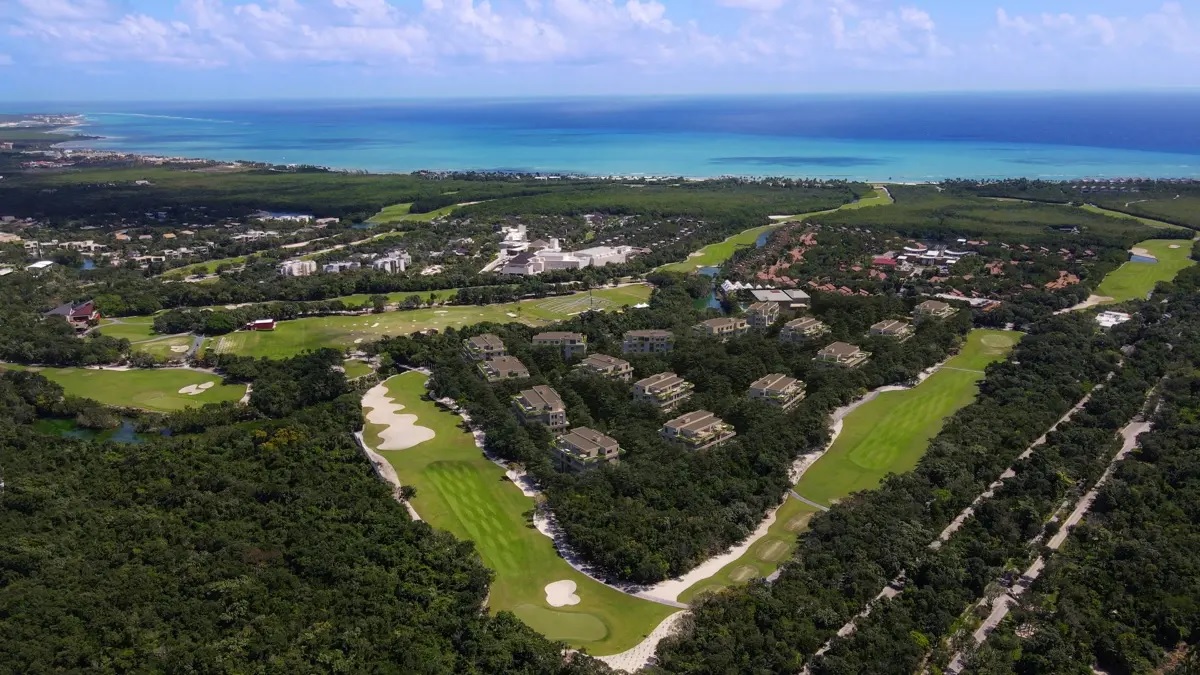
Definition and legal basics
A fideicomiso is a bank trust used so foreigners can hold residential real estate in Mexico’s “restricted zone,” which runs 50 km from the coast and 100 km from the country’s borders. In the Riviera Maya—Playa del Carmen, Tulum, Akumal, Puerto Aventuras—nearly all property close to the beach sits inside this zone. The fideicomiso is not a lease or a workaround. It is a legal structure created by federal law that gives a foreign buyer all the practical rights of ownership while respecting constitutional limits on foreign title in that zone.
Under the fideicomiso:
- A Mexican bank, called the fiduciario (trustee), holds legal title to the property.
- The buyer (and any co-buyers) are the fideicomisarios (beneficiaries) with full rights to use, enjoy, lease, improve, finance, sell, and will the property to substitute beneficiaries.
- The seller (or sometimes the developer) is the fideicomitente (trustor) who conveys the property into the trust.
The trust term is up to 50 years and can be renewed for additional 50‑year periods, indefinitely. The buyer does not lose the property at the end of the term; renewal is a paperwork process with fees. This structure exists under the Mexican Constitution and the Foreign Investment Law (Ley de Inversión Extranjera), and it requires an authorization—commonly called the SRE permit—from the Secretaría de Relaciones Exteriores (SRE). See the Foreign Investment Law text here: Foreign Investment Law (Ley de Inversión Extranjera, PDF).
Key rights inside a fideicomiso:
- Use and enjoyment: live in the property, invite guests, and rent it short‑ or long‑term subject to local rules and HOA bylaws.
- Improvement: make changes, remodel, or build, following municipal permits and condo rules.
- Encumbrance: place a mortgage or developer financing in favor of a lender, with bank and trust consent.
- Sale and transfer: sell the property or assign the trust rights, with the trustee’s formal acknowledgment.
- Inheritance: designate substitute beneficiaries to inherit without probate in Mexico.
A Notario Público (civil law notary) is a state-appointed attorney who prepares and formalizes the deed (escritura) that creates or assigns the trust. The Notario verifies the legal chain of title, calculates and collects taxes, and records the transaction at the Public Registry of Property. The Notario’s role is central and independent of the real estate broker.
Banks that act as trustees must be authorized in Mexico. Common names in Quintana Roo include Banorte, Scotiabank, BBVA, Santander, Intercam, and Banco del Bajío. The bank doesn’t own the property for its own benefit. It administers the trust for the beneficiary owners.
How it works and who’s involved
The closing process in the Riviera Maya is organized and efficient when each party knows its role and the paperwork moves in sync. Most well-run transactions wrap up in 4–8 weeks from accepted offer to recorded deed, sometimes faster for new construction assignments.
Step 1: Offer, acceptance, and initial due diligence
Offer and acceptance set price, key dates, items included, and whether new trust creation or assignment of an existing trust will be used. A reservation agreement is common on pre-construction. For resales, a bilingual Purchase and Sale Agreement (PSA) follows. At this stage, listing documents like the current deed, no‑lien certificate, HOA estoppel, and property tax status are reviewed.
Step 2: SRE permit application
The buyer’s representative applies for the SRE permit authorizing the bank trust for the property. The Notario or the bank’s trust department usually files it. Typical timing is 1–3 weeks. Basic information needed: buyer identification, property details (legal description, location), and the bank that will serve as trustee.
Step 3: Bank trust request and KYC
The selected bank reviews a trust request and the buyer’s AML/KYC documents. For individuals: passports, proof of address, immigration status (if any), tax ID if available, and bank references. For entities: formation documents, incumbency, beneficial owner forms. The bank issues trust terms, fees, and accepts the appointment as trustee.
Step 4: Title and legal checks
The Notario orders a current no‑lien certificate (certificado de libertad de gravamen), verifies the seller’s capacity, confirms tax status, checks that the land is not ejido (agrarian) or that regularization is complete, and reviews zoning and condo bylaws. A survey and site verification happen here. Utility accounts are checked for arrears and transfer procedures.
Step 5: Drafting the escritura (deed) and calculating closing costs
The Notario drafts the deed to either: a) create a new fideicomiso, with seller conveying title into trust; or b) assign rights of an existing trust to the new beneficiaries. Closing costs are calculated, including acquisition tax, notary fees, public registry fees, trust setup or assignment fees, and applicable withholding. A preliminary statement is circulated for approval.
Step 6: Escrow and funding logistics
Purchase funds, taxes, and closing costs are arranged. Escrow is widely used in Quintana Roo for new and resale properties. Funds are wired to a neutral escrow provider following signed escrow instructions. The bank trustee’s fees are paid per their invoice. The Notario will require proof of lawful funds. Wire details in Mexico use CLABE (18‑digit bank code) for domestic transfers and SWIFT/IBAN as applicable for international wires.
Step 7: Trustee acceptance and signing
The bank issues a formal acceptance. Parties (or legal representatives via power of attorney) sign the deed before the Notario. If one party is absent, a properly apostilled and translated power of attorney is used. The Notario collects taxes and fees and issues official receipts.
Step 8: Delivery, possession, and registration
Keys and possession are delivered per the PSA—often on signing or when the Notario confirms funds. The Notario files the deed with the Public Registry of Property. Recording can take weeks to months; certified copies and a future final recorded deed are provided. The HOA updates records, and utility accounts are transferred.
Who does what
- Buyer: Provides KYC documents, proof of funds, and signs escrow and closing documents; chooses substitute beneficiaries.
- Seller: Delivers clean title, pays any remaining liens or HOA dues, and provides required certificates.
- Bank (Trustee): Reviews KYC, accepts the trust, signs the deed, collects setup/annual fees.
- Notario Público: Leads due diligence, prepares deed, collects and pays taxes, closes and records.
- HOA/Administrator: Provides estoppel letter, bylaws, and certifies no outstanding dues; updates owner records.
- Broker: Coordinates timeline, documents, escrow flow, and communications among parties, and helps anticipate issues before they become delays.
Costs, money flow and paperwork
Costs vary by price point, municipality, and whether a new trust or assignment is used. In Quintana Roo, plan for the following ranges:
- Trust setup fee: about $1,000–$2,500 USD, depending on the bank and complexity.
- Annual trust administration: about $500–$1,000 USD, billed by the bank each year.
- Closing costs: typically 4–7% of the purchase price. This includes acquisition tax (ISAI/ISABI), notary fees, public registry fees, appraisal/survey, and incidentals. In Quintana Roo, acquisition tax is often around 3% but can vary by municipality.
- Title search and certificates: modest fees through the Notario.
- Title insurance (optional): usually 0.5–1% of price.
- Assignment fee (if taking over an existing trust): often $500–$1,000 USD, plus bank review.
- SRE permit fee: government fee applies and is usually bundled into closing costs.
Money typically flows through escrow. Escrow instructions set the release conditions: signed deed by parties, bank acceptance, notary confirmation, and delivery of possession. If there are repairs or furniture deliveries pending, a small holdback can be reserved in escrow for a set period.
Common paperwork required from buyers:
- Valid passport; second ID if available; proof of address less than three months old.
- Tax identification (RFC) if available; not always required to purchase, but often needed for tax filings and utility set-up. The Notario will advise.
- KYC forms and bank references per the trustee bank’s compliance department.
- For entities: Articles of incorporation, certificates of good standing, beneficial ownership declarations.
For sellers:
- Current deed and trust documents, if any.
- No‑lien certificate, cadastral certificate, and updated survey if requested.
- HOA letter of no debt, utility clearance letters, predial (property tax) receipts.
- CURP/RFC or corporate tax data for tax calculation purposes.
Wires into Mexico use CLABE for domestic transfers. For international wires, banks provide SWIFT, branch, and account information. Buyers should confirm every wire instruction by direct call to the escrow holder; never rely only on email to avoid phishing. The Notario’s office and the escrow company should issue secure, written instructions with contact verification.
Renewal fees at the 50‑year mark depend on the bank; expect administrative and filing fees. If selling before then, the trust can be assigned to the buyer or extinguished on closing and replaced with a new trust for the buyer, depending on the deal and bank.
Risk checks and compliance
Buying in the Riviera Maya is straightforward when the right checks are done in the right order.
Ejido land
Agrarian (ejido) land is not the same as private property and cannot be sold as fee simple or placed in a bank trust until it has been legally regularized and titled as private property. Many projects went through this process years ago, and it’s documented. The Notario verifies the property’s history; if it’s still ejido or lacks full regularization paperwork, stop until resolved. Do not rely on a “promise it’s in process.”
No‑lien and legal capacity
A certificado de libertad de gravamen confirms no recorded liens or encumbrances. If there is a developer mortgage or construction lien, the Notario will manage payoff and releases at closing. Sellers must prove they have authority to sell—if the deed is in a company’s name, corporate minutes and powers are required.
Survey and boundaries
A current survey confirms boundaries, surface area, and encroachments. For condos, the condo regime determines your percentage of common areas and parking rights. For villas and lots, the survey helps verify setbacks and that construction matches the plans.
Condo bylaws and HOA rules
HOA bylaws regulate rentals, pets, renovations, and common area use. Some Tulum and Playa del Carmen buildings limit short‑term rentals; others specialize in them. Review the bylaws early to ensure your investment plan aligns. An HOA estoppel letter certifies no outstanding dues and lists upcoming assessments.
Permits and utilities
For new or recently finished units, confirm building permits, completion letters, and that utilities (CFE electricity, water) are in place or scheduled for delivery. For off-grid or hybrid projects outside town, understand water systems, sewage, and backup power. In coastal areas, zoning and environmental permits (SEMARNAT, municipal) may apply.
AML/KYC
Banks and escrow companies are strict about Anti-Money Laundering rules. Expect to provide source-of-funds explanations for large transfers, bank statements, and ID verifications. Keep consistency: the buyer name on the PSA, SRE permit, bank trust, and escrow should match the name on the funds.
Predial and municipal dues
Property tax (predial) must be current. Discounts for early payment are common each year. The Notario checks predial status and municipal service charges.
Title insurance
Optional, but can add an extra layer of comfort—especially on complex chains of title or for land acquisitions. Title insurers operate in Quintana Roo; the Notario’s work overlaps with what title insurers verify, so many buyers skip it, but it’s worth pricing.
Common mistakes to avoid
- Skipping the SRE permit timing or naming the wrong trustee bank on the application.
- Not naming substitute beneficiaries in the trust—this can delay inheritance later.
- Wiring funds to unverified accounts; always call to verify.
- Assuming an existing trust can always be assigned without the bank’s consent. The trustee must approve.
- Not aligning your rental plan with HOA rules or local laws.
Taxes, renewals, inheritance and exit
Property tax (predial)
Predial in Quintana Roo is comparatively low versus the U.S. and Canada. It’s based on cadastral values and paid annually to the municipality. Early-bird discounts in January–February are common. Keep receipts for future capital gains considerations.
Capital gains on sale (ISR)
Mexico taxes capital gains (Impuesto Sobre la Renta, ISR) on the sale of real property. For individuals, the rate can be up to 35% on net gain after deductions. The Notario acts as the tax withholding agent at closing. Deductions can include documented improvements, acquisition and closing costs, and commissions with proper invoices. Principal residence exemptions exist under certain conditions, generally for Mexican tax residents with documented primary residence and RFC. Vacation and investment properties typically do not qualify for that exemption. For current rules and rates, consult the tax authority: Servicio de Administración Tributaria (SAT).
Rental income taxes
If renting, Mexico taxes rental income. Owners can pay as individuals or through a company and may be able to credit taxes paid in Mexico in their home country under tax treaties. For high‑volume rentals with staff or services, a Mexican corporation and proper VAT handling may be advisable. An accountant in Quintana Roo can model scenarios.
Inheritance within the fideicomiso
One of the strongest features of the bank trust is estate planning. Substitute beneficiaries can be named in the deed. On the primary beneficiary’s passing, the trustee transfers rights to substitutes upon presentation of death certificates and identification, often without opening probate in Mexico. Update substitute beneficiaries whenever life events change.
Renewing after 50 years
Approach the trustee bank 6–12 months before expiry to renew. The process is administrative and involves trust review, government notice/permit, and fees. There is no requirement to surrender the property. If the trustee bank has merged or changed names, successor trustees handle renewals.
Selling and exiting
On resale, sellers usually transfer (assign) the trust rights to the new buyer. The trustee bank reviews the buyer’s KYC and issues a new acceptance. Some buyers prefer a fresh trust—then the existing trust is extinguished at closing. Either way, the Notario manages the flow. If the buyer is a Mexican citizen, the trust can be extinguished and fee simple title conveyed.
When a Mexican corporation may be considered
A Mexican corporation can own property anywhere in Mexico, including the restricted zone, without a trust. This path can make sense for buyers who:
- Plan to own multiple properties and operate active rental businesses with staff, inventory, and VAT receipts.
- Need corporate structures for partners and investor reporting.
Trade‑offs: a corporation requires monthly tax filings, accounting, payroll if you have employees, annual corporate maintenance, and can trigger different tax treatment on sale. For personal use vacation homes, a fideicomiso is usually simpler and less costly.
Immigration status
No immigration status is required to buy. That said, temporary or permanent residency and an RFC can be helpful for utilities, vehicle registrations, and taxes. Residency is a separate process from the fideicomiso and does not change the restricted zone rules.
Simple comparison: fideicomiso vs corporation vs fee simple (inland)
| Feature | Fideicomiso (Restricted Zone) | Mexican Corporation | Fee Simple (Outside Restricted Zone) |
|---|---|---|---|
| Who holds title | Bank trustee | Corporation | Buyer (individual/entity) |
| Beneficial owner | Foreign individual(s) | Shareholders/members | Buyer |
| Term | 50 years, renewable | Indefinite | Indefinite |
| Setup costs | Low–moderate | Moderate–high (legal and SAT setup) | Low |
| Annual costs | Bank admin fee | Accounting, tax filings, corporate maintenance | Minimal |
| Rentals | Allowed, subject to HOA and local rules | Allowed; business‑style operations smoother | Allowed |
| Estate planning | Substitute beneficiaries in trust | Corporate shares via will/shareholder agreements | Will or co‑ownership |
| Best for | Personal use or light rentals near the coast | Multiple properties, active rental operations | Properties outside restricted zone |
Handy templates and tools
- Quick pre‑closing checklist:
- Government permit (SRE), bank trust acceptance, and deed draft aligned.
- No‑lien certificate, HOA estoppel, survey, and predial receipts in file.
- Key documents to request early:
- Condo bylaws and house rules; last 12 months of HOA minutes if available.
- Utility status letters and a closing statement from the Notario with itemized taxes and fees.
Helpful references and forms
For laws, permits, and practical checklists, these resources are reliable:
- Secretaría de Relaciones Exteriores (SRE) — permit information and applications
- Foreign Investment Law text (Spanish PDF): Foreign Investment Law (Ley de Inversión Extranjera, PDF)
- U.S. Embassy in Mexico — practical real estate considerations: U.S. Embassy in Mexico: real estate considerations
- Mexican Notaries — professional standards and contact directory (Spanish)
- Taxes and fiscal rules — Mexico’s tax authority: Servicio de Administración Tributaria (SAT) — taxes
Investors comparing projects, amenities, and building standards in Tulum’s condo market can also review this practical overview: what to look for in a Tulum condo.
Conclusion
Buying in Mexico’s coast hinges on understanding the fideicomiso, steps, and clean paperwork. Takeaways: know bank trust terms, line up due diligence and taxes, and plan inheritance early. If you want seasoned help, Buyplaya Real Estate Advisors is the premier broker for foreign investors in Playa del Carmen, Tulum & the Riviera Maya of Mexico—successfully assisting clients for over 20 years purchasing homes, condos, investment, beachfront, and commercial properties. Reach out to start today.
Related Posts
- Tulum Real Estate What To Look For In A Condo
- What are closing costs when buying property in Mexico? – FAQ
- Mexico Real Estate Listings
Frequently Asked Questions (FAQs)
What is a fideicomiso in Mexico real estate?
A fideicomiso in Mexico real estate is a bank trust that lets a foreign buyer hold property rights in the “restricted zone” (coastlines and borders). The bank holds legal title, while the buyer is the trust beneficiary with full rights to use, improve, lease, finance, and sell. The term is 50 years and renewable.
How does a fideicomiso in Mexico real estate get set up, and how long does it take?
The usual flow: accepted offer, trustee bank selected, SRE permit requested, due diligence by the Notario Público, trust drafted, closing and recording. Typical timeline is about 4–8 weeks, sometimes faster. Bring a valid passport & ID, proof of funds, and wiring details. Expect the notary to coordinate most steps… efficiently.
What does a fideicomiso in Mexico real estate cost at closing and each year?
There’s a one-time setup fee with the trustee bank (often about $1,000–$2,500 USD), annual administration (about $500–$1,000 USD), plus normal closing costs of roughly 4–7% of the price (taxes, notary, registry, trust issuance). Local property tax (predial) is paid yearly and is generally modest, and HOA dues if in a condo.
Is a fideicomiso in Mexico real estate safe, and what risks should be checked?
When handled correctly, yes. Key checks include: confirm clean title and no liens, make sure it’s not ejido land, verify permits and condo bylaws, confirm property lines with a recent survey, and that taxes and utilities are current. Use a reputable Notario Público & trustee bank. Title insurance can be added for extra comfort.
Why choose Buyplaya for a fideicomiso in Mexico real estate in Playa del Carmen, Tulum & the Riviera Maya?
Buyplaya is the premier real estate broker for foreign investors in the region—over 20 years successfully helping clients buy homes, condos, investment, beachfront, and commercial properties in Mexico. Deep local relationships with notaries and trustee banks, bilingual contracts, clear timelines, and SRE permit coordination. That experience reduces risk and speeds closings.




Join The Discussion