

Considering a second home Tulum Mexico for sale search? Drawing on over 20 years of local experience, this overview explains neighborhoods, buying steps, costs & timelines, plus rental rules and property care. Learn what to expect near the beach and in town, how the fideicomiso works, and how to spot sound builds and trustworthy paperwork.
Table Of Contents
- Second-home buying in Tulum 2025: practical insights for “second home Tulum Mexico for sale”
- Conclusion
- Related Posts
- Frequently Asked Questions (FAQs)
Key Takeaways
- Prime spots for a second home center on Aldea Zama, Selva Zama, Region 8, and select La Veleta blocks where roads are paved and services are stable; airport and Tren Maya access now reduce travel time.
- Plan roughly 5–8% for closing (notary, trust setup/assignment, permits, registry & escrow). Expect low predial plus HOA dues, CFE power, internet, insurance.. and upkeep if renting.
- Foreign buyers use a bank trust (fideicomiso) in the restricted zone; a Notario Público handles the deed and filings. Confirm condo bylaws, HOA rules, MIA environmental files and Civil Protection items before committing.
- Short‑term rentals can work, but only with the right municipal license, tax registration, and safety gear; check HOA rental rules and realistic occupancy, not just pro forma numbers.
- Buyplaya is the premier real estate broker for foreign investors in the Playa del Carmen, Tulum, and Riviera Maya of Mexico. Successfully assisting clients for over 20 years in purchasing homes, condos, investment, beachfront, and commercial properties in Mexico.

Second-home buying in Tulum 2025: practical insights for “second home Tulum Mexico for sale”
Market snapshot and neighborhoods
Tulum’s second-home market in 2025 is still defined by proximity to the beach, infrastructure that actually works block-by-block, and steady short-term rental demand tempered by more professional management and clearer HOA rules. The new Tulum International Airport shortens travel time and diversifies arrivals beyond Cancun. Tren Maya service has added regional access and day-trip connectivity. Both improvements are drawing more weekenders and remote owners.
Inventory remains concentrated in four zones most buyers ask for first: Aldea Zama, La Veleta, Region 8, and the limited beachfront pockets north of town (Tankah, Soliman Bay, and a few coves). Price tiers reflect walkability, road quality, and how established a micro-location is. Asking prices can vary by 30–50% within a single neighborhood based on finishes, amenities, and developer reputation.
Where buyers actually focus
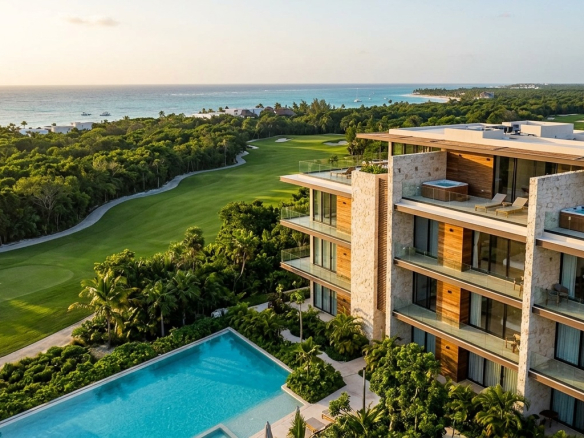
- Aldea Zama: A mature, mixed-use zone between town and beach, with paved roads, mid-rise condo buildings, boutique hotels, and serviceable retail. Resale liquidity is better here because services and rules are known quantities. Two-bedroom furnished condos commonly ask USD 300k–600k depending on pool access, view corridors, and amenities; penthouses and townhomes trend higher. Standalone villas in the newer sub-phases can push USD 700k–1.2M.
- La Veleta: A larger, more varied area south and southwest of town center. Infrastructure is mixed; some streets are well-serviced, others less so. Value seekers like La Veleta for larger floor plans and private plunge pools at lower price-per-meter than Aldea Zama. You’ll find one- and two-bed condos in the USD 220k–450k band; small villas and duplexes run USD 450k–900k+ depending on lot size and finishes.
- Region 8: A newer area with hype driven by its closeness to the beach corridor. Expect premium asks for pre-construction, with boutique projects offering refined design, small keys, and “jungle-modern” aesthetics. Pre-sales for 1–3 bedrooms often market in the USD 280k–700k range; villas typically USD 800k–1.6M+ when land size is generous. Vet services and delivery timelines carefully.
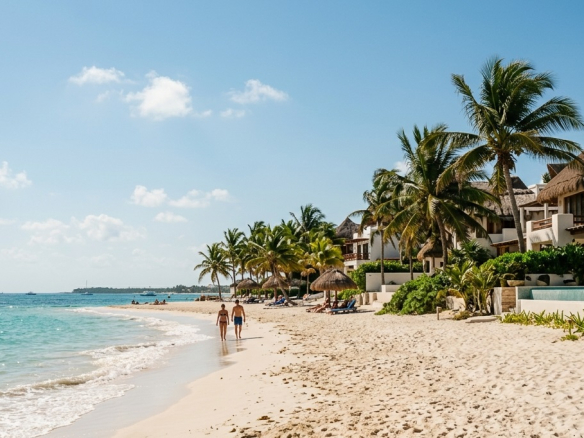
- Beachfront pockets north of Tulum: Tankah, Soliman Bay, and scattered coves are limited-supply waterfront. Stock is mostly villas and select luxury condos. White-sand or protected bay frontage commands a premium. Waterfront villas routinely list USD 1.8M–5M+; off-beach second-row or lagoon-side product can offer softer entry points but remains high-end.
A quick neighborhood comparison
| Area | Distance to Beach | Infrastructure | Typical Ask (condos) | Typical Ask (villas) | Notes |
|---|---|---|---|---|---|
| Aldea Zama | 5–10 minutes by bike or car | Paved, established | 300k–600k+ | 700k–1.2M+ | Strong resale, defined HOA norms |
| La Veleta | 10–15 minutes | Mixed, block-by-block | 220k–450k+ | 450k–900k+ | Larger spaces, value plays |
| Region 8 | 3–8 minutes | Developing | 280k–700k+ | 800k–1.6M+ | Pre-con premiums, verify utilities |
| Tankah / Soliman | Beachfront | Established pockets | Limited condos | 1.8M–5M+ | Scarce supply, premium locations |
Ranges above reflect common ask prices at time of writing; actual market value depends on building quality, HOA health, views, and turn-key condition.
Demand drivers in 2025
- Airport access: The Tulum International Airport has shortened commutes for domestic and some international routes. More point-to-point flights mean weekend trips are feasible for owners from the U.S. South, Mexico City, Monterrey, and beyond.
- Tren Maya: Service linking Quintana Roo towns reduces dependency on highways for some trips. Schedules evolve seasonally; check updates and plan buffer time for connections.
- Short-term rentals: Nightly demand remains steady with peak occupancy in winter and spring holidays. Summer brings family travel and Europeans. Municipal and HOA rules are clearer, and many buildings require quiet hours, guest registration, and proof of insurance. Professional property managers outperform DIY—in both occupancy and compliance.
For up-to-date listings tailored to second-home buyers, browse current Tulum homes and condos for sale. BuyPlaya Real Estate Advisors has specialized in Riviera Maya properties for foreign buyers for over two decades and keeps block-level notes on services, bylaws, and real comps—not just asking prices.
Legal path to own: clean title for foreigners in the coastal zone
Mexico allows foreigners to own residential property in the “restricted zone” (within 50 km of the coast and 100 km of borders) through a bank trust known as a fideicomiso. This is standard in Quintana Roo and well-tested. The bank holds title for the beneficiary (you), and you enjoy the right to use, rent, sell, or will the property.
Fideicomiso basics that matter
- A Mexican bank (fiduciary) issues the trust. Typical initial term is 50 years with automatic renewals. The trust is recorded in the Public Registry.
- The beneficiary can be one or more people or a legal entity. Successor beneficiaries can be named for estate planning.
- Annual trust fees apply; banks also perform KYC/AML checks. Allow time for document collection.
See official background at the Secretaría de Relaciones Exteriores (SRE). They authorize trust permits for foreigners.
Notario Público and the title chain
The Notario Público in Mexico is a government-appointed legal officer. This role is not a typical U.S. notary. The notary:
- Confirms seller authority and reviews the title chain
- Orders certificates of no liens and no encumbrances
- Verifies cadastral data, property boundaries, and municipal records
- Calculates and collects taxes and fees at closing, issues the deed
Select a notary experienced with Tulum and with cross-border buyers. Your buyer’s attorney can complement the notary’s work by reviewing HOA bylaws, pre-sale contracts, and developer performance.
What to confirm before you sign
- Land use and zoning: Confirm that the property’s use (residential, mixed-use) matches the municipality’s Urban Development Plan. For condos, ensure the building regime is recorded.
- Environmental and civil protection: In the Riviera Maya, most projects require an environmental impact authorization (MIA) and adherence to civil protection norms (emergency exits, extinguishers, signage, hurricane preparedness). Ask to see copies and ensure they align with delivered units and amenities.
- HOA bylaws and rules: Review noise rules, rental registration procedures, pet policies, generator use, parking assignments, and reserve fund disclosures. Ask for the most recent assembly minutes and financials.
- Utilities: Confirm service letters or active accounts for electricity (CFE), water, sewage or treatment plants, and internet options. Where there is a private water system or treatment plant, review maintenance contracts.
- Consumer protections: When buying from a developer, Mexico’s standard NOM-247 applies to marketing and the sale of housing to consumers. Read more at PROFECO NOM‑247. Keep every receipt and a copy of the signed purchase agreement.
Budgeting, financing and costs: what to expect
Plan for 5–8% of the purchase price in closing costs for a resale condominium or villa. Pre-construction closings can vary depending on permits and how the developer structures taxes and delivery. Always request a written estimate from the notary.
Typical cost buckets:
- Notary fees and government recording
- Trust setup (fideicomiso permit and bank issuance)
- Acquisition tax (state/municipal)
- Certificates and searches
- Attorney review (if used)
- Escrow and currency conversion fees
- Appraisal and survey updates if needed
Predial (annual property tax) is modest compared with many U.S. municipalities. Budget a few hundred dollars per year for condos and more for villas, depending on assessed value. Confirm the current rate with the municipality, as assessments can update.
HOA dues: These vary widely with amenity load. Buildings with rooftop pools, elevators, staffed lobbies, and beach clubs will carry higher dues. Ask for a 12‑month expense history and whether there are extraordinary assessments pending (e.g., elevator replacement).
Utilities and services:
- Electricity (CFE): Consumption varies with A/C use. Newer builds with inverter systems and good insulation perform better in summer.
- Water and sewage: Some buildings connect to municipal service; others rely on wells and private treatment plants. Clarify maintenance schedules.
- Internet: Fiber is present in many central blocks; some areas still use fixed wireless. Test speeds in-unit when possible.
- Insurance: Consider structure and contents coverage, plus hurricane wind coverage. Many owners add civil liability when renting.
Hurricane hardening: Look for impact-rated windows, protected mechanicals, roof tie-downs, and a building hurricane plan. Storefront glazing without film or shutters can be a weak point.
Financing:
- Most foreign buyers use cash, home equity from abroad, or a combination. There are a handful of cross-border lenders that finance Mexican properties to U.S./Canadian borrowers; terms differ from domestic mortgages and underwriting clocks are longer.
- Developer financing is common in pre-construction, typically with 20–50% down and staged payments through delivery. Interest and balloon terms vary; read clauses on late delivery and refunds.
- Currency: Wire in USD when required, and use a trusted escrow to reduce conversion risk. A small rate improvement on a large wire can cover inspection or travel costs—shop FX rates.
Rentals and taxes:
- If renting, register properly and keep invoices. Owners commonly engage an accountant to comply with Mexican tax rules, including lodging and income taxes, and to issue electronic invoices (CFDI) to guests or platforms when required.
- Track deductible expenses and keep all receipts in your name or trust. For clarity on requirements, consult a licensed accountant and review materials from SAT (Mexico’s tax authority). Platform withholding and reporting rules can change; stay updated with your manager.
Purchase steps, due diligence and rentals
The cleanest closings follow a simple sequence. A real estate advisor who works this market daily will keep timing on track and help you avoid surprises.
Step-by-step from search to keys
- Shortlist properties: Decide on property type (condo vs villa vs serviced residence) and location tolerance (walkable vs short drive). Ask for block-level notes: road conditions, noise sources, and confirmed utilities for each building.
- Pre-qualify funds: Confirm sourcing and timing of your wire. If using cross-border financing, start underwriting early—before you make an offer.
- Offer with contingencies: Write a clear offer letter with price, deposit, timeline, inclusions (furniture list), and contingencies: clean title, HOA review, technical inspection, rental rules, and trust approval.
- Escrow opened: Funds go to a neutral escrow. Avoid wiring deposits directly to sellers unless advised by counsel and standard in that building’s practice.
- Notary title search: The notary orders certificates, verifies the title chain, reviews cadastral data, and confirms no liens or unpaid assessments or utilities.
- Bank trust issuance: Your bank processes KYC/AML, issues the trust, and obtains SRE authorization. Prepare passports, proof of address, and any entity documents if purchasing via a company.
- Technical inspection and walkthrough: Inspect structure, waterproofing, appliances, A/C performance, and pools. Note punch-list items. In pre-construction, ensure delivery matches plans and specs.
- HOA and rental rules: Obtain bylaws, minutes, financials, and rental procedures. If you plan vacation rentals, confirm local permits required, guest registration process, and quiet hours.
- Signing and delivery: Review closing statement, deed, and trust. Sign at the notary. You’ll receive keys, utility transfer instructions, and a schedule for deed registration.
- Post-closing setup: Open utility accounts, set up property management, inventory furniture, and organize your accounting for rentals. Create a calendar for insurance renewals, HOA dues, and trust fees.
Due diligence details that save you later
Zoning and use: For mixed-use buildings, ensure your unit is legally residential/touristic and eligible for short-term rentals under current rules. In some condos, bylaws cap the number of units allowed to rent nightly or require minimum stays.
Services in place: Ask for recent bills or service letters for CFE electricity and water. If the building runs a private plant, inspect it and get a maintenance log. In Region 8 and parts of La Veleta, service maturity varies widely by block.
Construction quality: For concrete buildings, check roof membranes, balcony waterproofing, sealants, and aluminum frames. Look at A/C condensation management and drainage slopes. Small details, big comfort.
Rental underwriting: Build a simple occupancy and ADR model by season (winter high, shoulder, summer family season, fall dip). Use conservative comps: same building first; immediate neighbors second. Confirm platform fees, manager fees, cleaning, linens, and restocking. Owners who plan for 55–65% annual occupancy in central zones tend to avoid disappointment; top performers can exceed that, but not every building can support it.
Property management: Contracts vary. Compare:
- Fee structure (percent vs hybrid), linens, inspections, damage deposits
- Owner stays policy, blocked dates, and direct bookings allowed
- Accounting cadence, CFDI issuance, expense pass-throughs, and reserve funds for maintenance
Practical clauses to request in offers: A specific inspection window; HOA/permit document delivery deadline; a holdback or remedy for material punch-list items; and a clear process if trust approval or permits are delayed beyond a set date.
Useful tools and templates to ask your advisor for: a two-page due diligence checklist, an offer letter template with contingencies, a rental underwriting spreadsheet (with seasonality), and an HOA questionnaire.
Lifestyle, access and infrastructure
A second home in Tulum works best when you prioritize everyday logistics as much as the pool and the design. Infrastructure has improved, but buyers should still evaluate each block.
Airport and rail connectivity
The Tulum International Airport has made quick stays more practical. Some owners now split arrivals between Cancun and Tulum depending on fare and flight times. If flying into Cancun, private transfers still run 90–120 minutes depending on traffic and checkpoints. Rail riders use the Tren Maya for certain segments; schedules and frequencies shift seasonally, so check official updates before you plan same-day turnovers.
When timing closings or furniture deliveries, ask vendors which airport they service and typical lead times. Storm season can cause temporary schedule changes—build in buffers.
For route maps and official notices, consult the Tren Maya site and the airport’s announcements.
Roads, utilities and block selection
Roads: Paved streets and proper drainage affect daily comfort and resale. In Aldea Zama and core La Veleta, many streets are paved. Outer blocks and some parts of Region 8 still have unpaved sections—fine in dry season, challenging after heavy rain.
Water and sewage: Municipal water and sewer exist in central areas; outlying zones often use wells, cisterns, and treatment plants. Ask how often cisterns are cleaned and how wastewater is managed. Tank maintenance costs are small but predictable—budget them.
Electricity and internet: CFE coverage is broad in town. Fiber or high-speed internet has expanded but can be building-specific. Test in the unit if possible, especially if you plan extended remote work.
Trash and recycling: Service frequency varies by block. Some buildings contract private collection to supplement municipal pickups. Confirm the plan and monthly cost.
Natural factors that affect comfort
Sargassum: Seaweed season varies by year and wind. Protected bays like Soliman may see less accumulation, while open stretches can see more. Buyers who value frequent beach days sometimes choose units with strong on-site amenities to balance this seasonality.
Noise: Tulum has nightlife zones and quieter pockets. Stand at your prospective building after dark. Ask about event venues or rooftop bars within 200–300 meters. In mixed-use buildings, clarify quiet hours and how they’re enforced.
Bugs and breezes: Cross-ventilation helps. Higher floors often get better airflow and fewer mosquitos; ground floors trade that for private gardens and splash pools. Screens and door sweeps matter more than most buyers expect.
Lighting and privacy: “Jungle views” are great, but evening privacy can be thin if landscaping is sparse. Simple upgrades—sheers, blackouts, planters—solve most issues and help guest reviews.
Choosing blocks with proven services
In 2025, a block that already has: active HOA, steady water pressure, stable internet, and working elevators is worth a premium. A building with a documented maintenance plan and reserve fund will ride out storm season and operate rentals with fewer interruptions. Consider paying a little more for documented operations and less hassle; it’s usually cheaper in the long run.
Local information helps. Municipal sites post changes to trash routes, permit processes, and certain public works. Property managers often know which streets flood after heavy rains and which suppliers actually show up on time.
Quick block-level checks before you wire
- Walk the route to the nearest paved road, grocery, and gym in midday heat and after dark
- Visit at night for noise; stand on your actual balcony line if possible
- Run a speed test in-unit; test cell coverage in stairwells and elevators
- Ask to see the building’s hurricane plan and generator specs (if any)
- Inspect roof access, waterproofing, and A/C drainage
- Confirm HOA insurance coverage vs. your unit policy
- Check sargassum cleanup practices if beach-club access is advertised
- Review elevator maintenance logs where applicable
- Verify trash collection schedule and backup plan
- Talk to an on-site manager or front-desk staff about typical guest issues
How BuyPlaya supports second-home buyers
BuyPlaya Real Estate Advisors has assisted foreign investors and second-home owners in Playa del Carmen, Tulum, and the Riviera Maya for over 20 years. The team’s role is simple: help buyers compare micro-locations, verify what’s on paper against what’s on the ground, and negotiate terms that protect the buyer in Mexico’s legal context.
That includes:
- Sourcing properties that fit second-home use with rental upside
- Providing block-level notes—paving, drainage, utilities, and noise
- Coordinating notary selection, attorney review, and bank trust timing
- Organizing inspections and punch lists
- Sharing practical tools: offer letter language, due diligence checklists, and rental underwriting templates
Official resources mentioned above are useful too. For trust permits and foreign ownership basics, use the Secretaría de Relaciones Exteriores (SRE). For housing sale consumer standards, review PROFECO NOM‑247. For transport schedules, consult the Tren Maya. For taxes and utilities, your accountant and property manager will guide you through SAT registration, invoicing, and CFE account setup—keep every receipt and maintain a simple file system from day one.
Conclusion
The theme is simple: buy with clarity and care. Verify title set the bank trust, plan closing costs & rentals. Choose serviced areas with solid access and management. Buyplaya Real Estate Advisors is the premier real estate broker for foreign investors in the playa del carmen, tulum, and riviera maya of Mexico. Successfully assisting clients for over 20 years purchasing homes, condos, investment, beachfront, and commercial properties in Mexico.
Related Posts
- Mexico Tulum Real Estate For Sale Homes And Condos
- Tulum Real Estate Listings
- Tulum Real Estate for Sale: 7 Proven Strategies for Peace of Mind
Frequently Asked Questions (FAQs)
What does “second home Tulum Mexico for sale” actually mean for a foreign buyer?
In Mexico’s coastal “restricted zone,” foreign buyers hold a second home in Tulum through a bank trust called a fideicomiso. A Mexican bank holds title for the buyer’s benefit; the buyer is the trust’s beneficiary with full rights to use, rent, sell, or will the property. The closing is formalized by a Notario Público after a title search, trust approval, and standard anti‑money‑laundering checks. For official details on foreign ownership, see the Ministry of Foreign Affairs (SRE). Condo purchases also include review of bylaws, HOA rules, and recorded construction permits—do not skip those steps.
How much are the real costs for a “second home Tulum Mexico for sale” from offer to move‑in?
Typical closing costs run about 5–8% of the price. That covers notary fees, trust setup or assignment, permits, escrow, and registration. Ongoing costs include low annual property tax (predial), HOA dues, electricity by CFE, internet, insurance, and property management if renting. As a simple range: HOA can be $150–400+ USD monthly, insurance $600–1,500 yearly, and property management 15–25% of rental revenue, sometimes plus VAT. Pay predial early each year to capture discounts. Utilities & HOA vary by building quality and location, so confirm in writing before committing.
Can a “second home Tulum Mexico for sale” be used for short‑term rentals legally?
Yes, if the building allows it and local rules are met. Confirm that condo bylaws permit vacation rentals, then obtain or verify the business license (Licencia de Funcionamiento) with Municipio de Tulum. Register for tax with SAT, issue facturas when required, and pay state lodging tax in Quintana Roo, which is currently 5%. Civil Protection norms may require safety equipment and a posted plan. Platforms may withhold some taxes; still reconcile monthly. Keep quiet hours and occupancy limits consistent with the HOA—small details protect revenue long term.
Which areas are strongest right now when searching “second home Tulum Mexico for sale”?
Local market experience over 20+ years shows steady demand clustering in Aldea Zama and Selva Zama for serviced living, Region 8 for premium low‑density near the beach, and select pockets of La Veleta with paved access. Proximity to paved roads, reliable utilities, and on‑site services moves the needle more than raw distance to the sand. With the Tulum International Airport open—and Tren Maya improving access—homes with easy airport transfers and good last‑mile roads see better occupancy and resale. Beachfront is limited; factor sargassum seasonality and hurricane‑rated build features, always.
Why choose Buyplaya when evaluating a “second home Tulum Mexico for sale”?
Buyplaya is the premier real estate broker for foreign investors in the Playa del Carmen, Tulum, and Riviera Maya of Mexico—successfully assisting clients for over 20 years purchasing homes, condos, investment, beachfront, and commercial properties in Mexico. Seasoned bilingual advisors streamline the fideicomiso, coordinate with the Notario, and keep due diligence tight from title to HOA to environmental files. This depth of local relationships and process control helps buyers land the right property and the right terms… with fewer surprises.

Join The Discussion