

Global real estate investing is evolving fast, with fresh options to invest in several regions and manage finances. The spread of Golden Visa schemes and Caribbean citizenship by investment offers diverse choices to many investors. This article explores key ideas, useful tips and practical steps to help you start making your own plans.
Table Of Contents
- Overview of International Real Estate Investing
- Emerging Trends in Global Markets
- Global Investment Strategies
- Portfolio Diversification and Rental Income Potential
- Tax and Regulatory Implications
- Leveraging Thought Leadership and Academic Insights
- Dynamic Industry Events and How-to Approaches
- Buyplaya Real Estate Advisors: A Unique Perspective
- Practical Tools and Templates
- Navigating Cultural and Legal Landscapes
- Final Thoughts on a Real-World Strategy
- Conclusion
- Frequently Asked Questions (FAQs)
Key Takeaways
-
Global real estate investing opens doors to diverse opportunities, boosting your portfolio’s potential.
-
Research is important! Investigate local market trends and regulations before making any purchase.
-
Leverage the services of professionals like Buyplaya, who have been helping foreign investors for over 20 years in Playa del Carmen, Tulum, and Riviera Maya.
-
Don’t forget to keep an eye on costs and potential risks when investing abroad.
-
Being aware of cultural differences can smooth your investment journey and improve communication with local agents or authorities.

Overview of International Real Estate Investing
International real estate investing means putting money into properties located in different countries. Investors are increasingly interested in this area as emerging trends in global markets open up new chances for profit and wealth building. Researching local market trends, knowing the legal framework, and understanding local culture are all key parts of making the right investment decision. For example, if you are already familiar with leaning on local expertise through firms like Buyplaya Real Estate Advisors in Mexico’s Playa del Carmen, Tulum, and the Riviera Maya, you can apply similar ideas when branching into new markets.
Many international investors start by asking: What makes a market promising? Global trends such as rising urbanization, advances in technology, and even the ease of remote work have caught the attention of buyers worldwide. When you invest abroad, you not only gain access to robust rental markets but also diversify your portfolio and manage risks across different asset classes. This diversification is important when unexpected events affect one region or market segment.
Below are some simple steps to get started in international real estate:
- Research the economic and political climate of the target country.
- Look at property trends in major cities and tourist destinations.
- Understand local legal and tax requirements.
- Evaluate whether you want to hold property for a steady rental income or aim for long-term capital gains.
Emerging Trends in Global Markets
Global markets are shifting rapidly. Technology improvements, such as virtual property tours and online investment platforms, have lowered the barriers to entering foreign markets. Meanwhile, the upcoming trends include:
Increasing Demand for Second Homes and Rental Properties
- Many investors are turning to vacation rental properties where tourism is strong.
- Regions with high foot traffic, like coastal cities and historic districts, are in focus.
- The popularity of short-term rental platforms is pushing investors to consider flexible rental options.
Shifts in Economic Stability and Currency
- In a world where currency values can change overnight, many buyers consider countries with stable economies and strong currencies.
- This stability often comes along with sound public policies and low inflation, making certain markets more attractive.
Growing Role of Digital Platforms
- Virtual tours and digital property management tools have transformed how investors research and manage properties.
- Many platforms now offer in-depth market data that can help guide your investment decisions.
Global Investment Strategies
Investing internationally requires a tailored strategy. Many of the core ideas are similar to local real estate investing; however, there are additional twists. Step-by-step strategies include:
Finding the Right Investment Environment
- Begin with a thorough market study: look for trends in economic growth, population changes, and infrastructure development.
- Cross-reference different data points and reports from trusted resources to verify the quality of the market.
- Reach out to local brokers and experts who can offer insights into regional nuances.
Golden Visa Programs and Citizenship Options
Many countries offer Golden Visa programs which tie real estate investments to residency or citizenship visas. These programs are favored by investors who want the freedom to travel and possibly conduct business across nations. Relevant examples include:
A Comparative Look at Golden Visa Programs
| Country | Minimum Investment (Approx.) | Benefits |
|---|---|---|
| Portugal | €280,000 – €500,000 | Visa-free travel within Schengen, residency, and eventual citizenship |
| Spain | €500,000 | Residency permit and potential pathway to citizenship |
| Greece | €250,000 | Fast-track residency with low minimum investment |
| Malta | €300,000+ | Citizenship after residency and access to EU benefits |
| Caribbean | Varies | Often quicker processing and broader regional travel benefits |
- Carefully compare the requirements and benefits before selecting a country.
- Consult legal and tax experts in the respective regions to help evaluate the best option.
- Remember that many Golden Visa programs require you to maintain your investment for a set period.
Steps for Obtaining Citizenship by Investment
- Research and list out the countries with programs that match your investment amount and personal goals.
- Prepare all necessary documents, such as proof of funds, tax declarations, and property-related papers.
- Work with professionals who specialize in immigration and international investments.
- Submit your application and wait for the processing period while staying informed on any updates from the government.
Portfolio Diversification and Rental Income Potential
A well-diversified portfolio can help reduce risks stemming from local market volatility. Balancing residential, commercial, and vacation rental properties across regions is one strategy.
Diversification Strategies
- Don’t put all your resources in one market.
- Consider blending investments in mature markets with those in emerging markets.
- Explore not only property purchases but also joint ventures or property funds.
- Use risk management strategies such as insurance and local partnerships to buffer against potential losses.
Following are a few bullet points that can guide your diversification strategy:
- Identify regions with complementary economic cycles.
- Evaluate both capital gains potential and cash flows.
- Monitor market trends continuously to avoid heavy losses during downturns.
- Engage with local experts who can adjust your portfolio strategy over time.
Rental Income and Cash Flow Strategies
Generating positive cash flow is often as important as asset appreciation. When looking at international rental markets:
- Research the average rental yield for the area.
- Assess the demand for short-term versus long-term rentals and decide which model suits your investment plan.
- Consider differences in management styles based on local customs and services available.
- Use property management tools that can help with remote monitoring, rent collection, and maintenance scheduling.
Here’s a quick step-by-step guide to maximize rental income:
- Perform a comprehensive market analysis focused on local rental demands.
- Set competitive yet profitable rental rates.
- Utilize online property management software to keep track of payments and repairs.
- Stay updated on laws that govern rental properties in your chosen market.
- Reinvest a portion of rental income into property maintenance and upgrades to maintain occupancy rates and market value.
Tax and Regulatory Implications
When you invest internationally, tax and regulatory factors can influence the overall profitability of your portfolio. Each country has its own rules regarding property ownership, rental income, capital gains, and inheritance taxes.
Understanding Local Taxes
- Research the tax structure in the country of investment.
- Consult with tax professionals who have experience in cross-border investments.
- Know whether treaties exist between your home country and the target market to avoid double taxation.
How to Navigate Local Regulations
- Understand any restrictions imposed on foreign investors—some countries have limits on land ownership or require special permits.
- Review property laws carefully before committing to a purchase.
- Keep updated with any changes in local legislation that may affect property rights.
- Work with reputable local attorneys and advisors who can help you navigate the regulatory maze.
A few practical tips include:
- Request detailed documentation of any planned investment.
- Verify that the property complies with local building codes and zoning laws.
- Establish a relationship with local government offices to stay informed on any changes in laws or taxes.
- Keep a file for all important documents as different countries have various retention rules.
Leveraging Thought Leadership and Academic Insights
International real estate investing is guided not just by anecdotal experience, but also by research and academic insights. Many investors benefit from thought leadership and advanced academic programs that offer a deeper understanding of market dynamics.
FIU MSIRE and Academic Opportunities
Programs like the FIU Master of Science in International Real Estate (MSIRE) are designed to provide advanced learning and skill development. These academic opportunities help you:
- Understand global market trends from an economic and sociological perspective.
- Learn from experienced professionals who have a firsthand understanding of international investing.
- Gain a more data-driven and academic approach to property investment, which is especially useful in volatile markets.
For those interested in further study, you can check out FIU’s International Real Estate Program for detailed course information and research opportunities.
Using Investment Tools from Industry Leaders
Modern tools and online platforms provide valuable insights into global market trends. For example, many professional investors use resources like PGIM’s Real Estate research tools. These tools can offer market forecasts, risk analysis, and tailored investment strategies. Some suggested steps to take advantage of these tools include:
- Use market analytics to compare asset classes in different regions.
- Leverage data to understand property cycles and emerging markets.
- Incorporate digital tracking of property performance and local economic indicators.
Comparing Traditional vs. Digital Investment Management
Below is a simple comparative table illustrating some of the core differences between traditional investment techniques and digital management platforms:
| Factor | Traditional Investment Approach | Digital Investment Management |
|---|---|---|
| Data Accessibility | Often relies on periodic reports and manual updates | Real-time data streams and live market dashboards |
| Cost Efficiency | Higher due to reliance on physical documentation and consultants | Lower overhead with automation and online platforms |
| Speed of Decision Making | Slower due to periodic reporting cycles | Fast decisions based on up-to-date analytics |
| Ease of Use | May require expert interpretation of data | User-friendly interfaces with guided recommendations |
Such comparisons can help you decide which strategy to adopt based on your investment style and goals.
Dynamic Industry Events and How-to Approaches
Keeping up with dynamic industry events is essential for any international investor. Annual meetings, seminars, workshops, and webinars offer valuable networking opportunities and insights into emerging trends.
Participating in Industry Events
- Review conference schedules and plan your calendar to attend key events.
- Engage in seminars where you can ask questions and learn from seasoned professionals.
- Keep notes during these events, noting down specific ideas or emerging trends that align with your investment strategies.
Step-by-Step: How to Prepare for an Industry Event
- Identify the events most relevant to your geographic and asset interest.
- Register early and review the agenda to pinpoint sessions best suited to your strategy.
- Prepare a list of questions or topics you want to discuss with speakers or other attendees.
- Network actively with other investors and practitioners to exchange ideas and explore joint ventures.
- Follow up after the event with any contacts made or new opportunities discovered.
Leveraging Online Conferences
With the rise of technology, many events are now held online. Virtual conferences provide flexibility in scheduling and broader access to global thought leaders.
- Make sure you have reliable internet access and updated software.
- Participate actively during Q&A sessions and use chat features to gain further insights.
- Record sessions if permitted, so you can review key points later.
Buyplaya Real Estate Advisors: A Unique Perspective
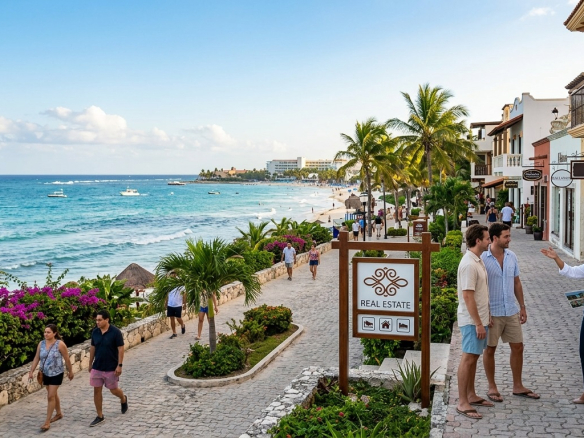
For investors looking to break into international real estate, firms like Buyplaya offer valuable local expertise, especially in sunny markets like Playa del Carmen, Tulum, and the Riviera Maya. With over 20 years of experience assisting foreign buyers, Buyplaya demonstrates how local knowledge can merge successfully with international investment strategies.
How Buyplaya Can Help
- Buyplaya assists clients in understanding local property trends, regulatory hurdles, and market-specific risks.
- The firm offers step-by-step guides on property acquisition, from initial research and property tours to finalizing transactions.
- Their local presence helps ensure that every aspect of the purchase—from legal documentation to property maintenance—is handled professionally.
Step-by-Step Process with Local Advisors
- Start by contacting a reputable advisor who can provide a market overview.
- Schedule a visit or a virtual tour of properties that match your investment criteria.
- Discuss financing options and any local taxes or fees that may affect your investment.
- Sign an agreement after confirming that all due diligence steps, such as verifying property titles and local registrations, have been completed.
Mixing Local and Global Investment Strategies
Combining the focused expertise of firms like Buyplaya with global trends helps you create a resilient portfolio. You can benefit from local market advantages while balancing them against international trends and economic shifts. For example, while Buyplaya guides you through beachfront investments in Mexico, the broader global market offers opportunities such as Golden Visa programs and diversified rental investments in established European markets.
Practical Tools and Templates
Using practical tools and templates can simplify the real estate investment process and improve decision-making. Here are a few helpful resources:
- A due diligence checklist template can ensure that every step (legal documentation, inspection, financing, etc.) is thoroughly reviewed.
- A rental yield calculator can help determine if a property meets your cash flow expectations.
- A market research template may include sections for economic indicators, local market trends, and regulatory information.
- Expense tracking templates can aid in monitoring maintenance, taxes, and other recurring costs related to property management.
Example: Due Diligence Checklist
- Verify the property title and ownership history.
- Check that the building complies with local safety and zoning approvals.
- Review reviews and feedback from previous property owners or tenants.
- Ensure that all local permits and required certifications are up to date.
- Confirm that the local market offers sustainable rental demand.
By using such tools, you keep your operations organized and safe from unexpected issues that might impact your returns.
Navigating Cultural and Legal Landscapes
Investing internationally means you have to navigate not only different market dynamics but also varying cultural and legal landscapes. Even subtle differences in business etiquette can create obstacles if not properly managed.
Tips for Handling Cultural Differences
- Study the local customs and basic language phrases to build smoother relationships with sellers and local advisors.
- Respect local business practices, as many cultures value personal relationships over cold transactions.
- Attend local seminars or cultural events to gain insights into market nuances and build trust with local partners.
Legal Considerations
- Always engage a local attorney when you are entering into a real estate contract abroad.
- Familiarize yourself with local contracting norms—what might seem standard in one country could differ considerably in another.
- In some cases, the seller may be responsible for arranging certain documents or permits, so clarity about roles is essential.
- Ensure that all agreements are written clearly and comply with both local and international legal standards.
Final Thoughts on a Real-World Strategy
Balancing the global perspective with on-the-ground expertise is key to successful international real estate investing. Whether you are thinking of leveraging the benefits of a Golden Visa program or relying on a seasoned advisor like Buyplaya for your Mexican investments, it is important to be methodical and proactive.
This guide has touched upon numerous step-by-step approaches: from initial research and market analysis, through to legal due diligence and rental income optimization. Relying on trusted industry tools—from research platforms provided by PGIM’s Real Estate to dynamic networking opportunities at events hosted by AFIRE—can help you stay informed and ready to seize opportunities as they arise.
Embracing both traditional investment strategies and modern technological tools paves the way to building a diversified portfolio that withstands market fluctuations. The experience provided by local experts, when combined with academic insights and digital innovation, creates an investment approach that is both grounded and forward-looking.
Building a successful international real estate portfolio is not a one-size-fits-all solution. It requires continuous research, adaptability, and leveraging every practical tool at your disposal. Each market offers unique opportunities and risks that must be weighed carefully. For those willing to put in the work, global property investments can offer rewards that transcend borders.
Conclusion
Global real estate investing is a dynamic journey highlighting the need for smart decisions and clear guidance. Key insights include understanding key investment steps, local market trends, and taking small yet empowering actions; all vital for building success, even if the details might seem a bit jumbled at first. Rely on Buyplaya Real Estate Advisors for over 20 years of trusted expertise in helping you navigate the Playa del Carmen, Tulum, and Riviera Maya markets.
Frequently Asked Questions (FAQs)
What is global real estate investing?
Global real estate investing means buying property in markets outside your home country. It’s about stepping into diverse economies, exploring new opportunities, and sometimes dealing with different laws and financial systems. This approach can be a mix of risk and potential reward, but with the right guidance, it opens many doors.
How does Buyplaya assist foreign investors in Playa del Carmen, Tulum, and Riviera Maya?
Buyplaya is regarded as the premier real estate broker for foreign investors in the Playa del Carmen, Tulum, and Riviera Maya regions of Mexico. With over 20 years of experience, they’ve successfully helped clients purchase homes, condos, investment properties, beachfront, and commercial real estate. Their local market insights and personalized approach make them a trusted guide in navigating complex investment decisions.
What are the key benefits of investing internationally?
When you invest internationally, you gain the chance to diversify your portfolio and tap into growing economies. Often, markets abroad might offer lower acquisition costs or faster growth potential. There’s also the benefit of currency variation impact which can work in your favor over time, adding another layer to your financial strategy.
How do market trends affect global real estate investing?
Market trends such as local economic growth, tourism rates, or shifts in government policy can greatly impact property values abroad. Keeping an eye on these indicators helps investors make timely moves, anticipating when to buy or sell. Many investors use online tools like Trading Economics to track these trends, which gives a clearer view of potential risks and opportunities.
What should I consider when investing in property abroad?
Before investing, consider factors like legal requirements, cultural differences, and local infrastructure. It is crucial to research the area, verify the property’s title, and consult local experts. Budgeting for unexpected costs and understanding regional market cycles can also help. Taking the time upfront to study these details may save a lot of hassle in the long run.
Related Posts:
How Global Real Estate is Transforming Wealth Building in 2025
Why Mexico is the Perfect Place to Buy Your Next Property
Mexico Property Ownership: Key Tips for International Buyers



Join The Discussion