
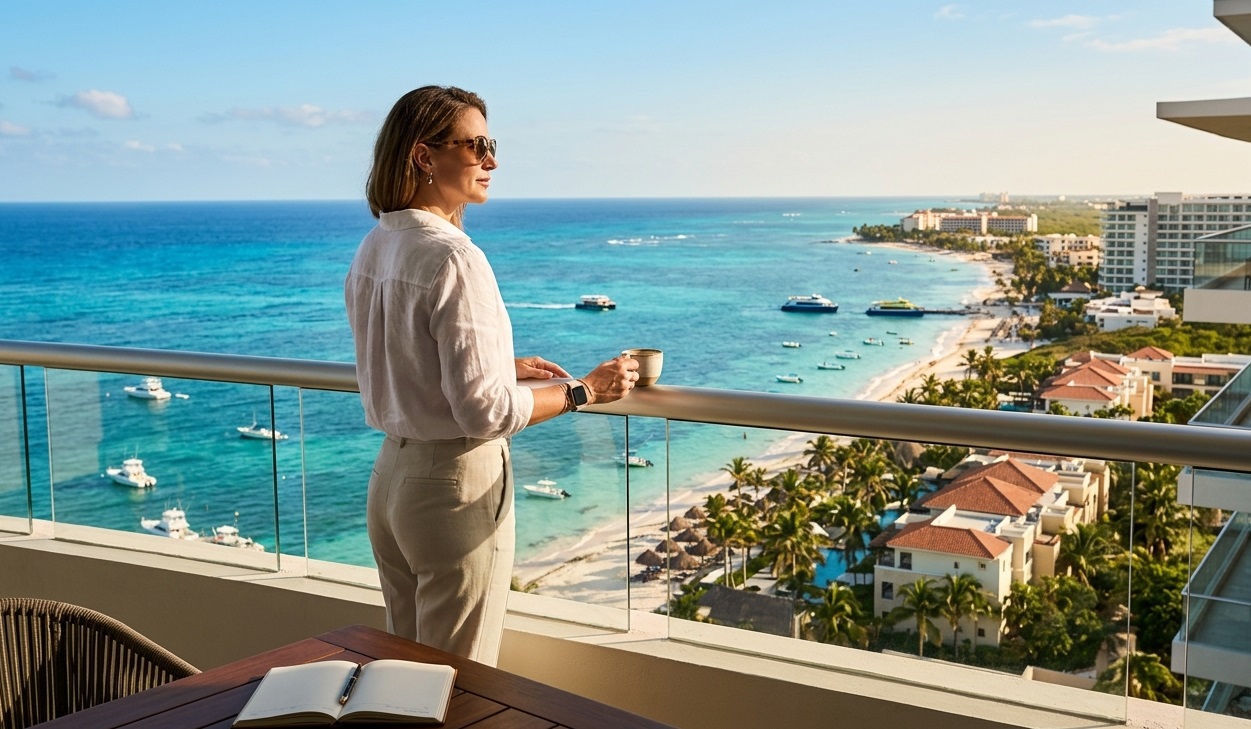
Thinking about Playa del Carmen Mexico properties? This quick read walks you through where to look, how to buy safely as a foreigner, and what to budget. We’ll cover trusted steps, neighborhood vibes, and practical tools for financing, rentals, and ownership so you can move forward with clarity & confidence—and enjoy the beach life sooner.
Table Of Contents
- Market snapshot and neighborhoods
- How to buy safely as a foreigner
- Financing and budgeting
- Ownership, compliance, operations
- Tools and references to keep it grounded
- Conclusion
- Related Posts
- Frequently Asked Questions (FAQs)
Key Takeaways
- Choose area by lifestyle and returns: Playacar Phase 1 for quiet beachfront; Centro/5th Ave for walkability; Coco Beach or Zazil-Ha for boutique vibe; El Cielo for space. Verify HOA rules, parking & beach access, elevator, noise at night
- Buy safely as a foreigner: use a bank fideicomiso, escrow, and a verified Notario for title & lien checks; line up IDs, seller docs, condo regime, then close. Start your trust file early to avoid slowdowns.
- Budget the full picture: acquisition tax ~2–3%, notary/legal ~1–1.5%, trust setup ~$2k–$3k USD and annual $500–$800; add furniture, utilities, and a contingency. For rentals, run ADR & occupancy math and keep a reserve.
- Operate clean: respect condo rules, get the municipal vacation-rental permit, carry STR insurance, screen guests, and decide manager vs hybrid. For neutral data use INEGI, SRE, Colegio del Notariado, and AirDNA… simple tools, big clarity.
- Buyplaya is the premier real estate broker for foreign investors in the playa del carmen, tulum, and riviera maya of Mexico. Successfully assisting clients for over 20 years purchasing homes, condos, investment, beachfront, and commercial properties in Mexico.
Market snapshot and neighborhoods
Playa del Carmen Mexico properties cover a wide range: beachfront villas in Playacar Phase 1, walkable 5th Avenue condos, family-oriented homes in El Cielo, boutique units in Coco Beach, and practical studios in Zazil-Ha. Each pocket carries its own lifestyle, HOA realities, rental profile, and mobility pattern. Because your search recap is empty, we’ll anchor on verifiable basics and the questions buyers ask most—location, beach access, building rules, numbers that matter.
Playacar Phase 1: true beachfront, gated quiet
- What it is: Low-density, single-family villas and a few condo buildings on the sand. Gated, with 24/7 security, paved paths, and access to a residents’ beach.
- Who it fits: End-users, second-home owners, and luxury investors who want low noise, private beach enjoyment, and space for families.
- Tradeoffs: Premium purchase price and HOA dues; fewer walk-out dining options; rentals skew to weekly family stays and longer shoulder-season bookings.
- Mobility: 10–15 minutes walking to 5th Avenue; bikes and golf carts common.
5th Avenue (Quinta Avenida): ultra-walkable condos
- What it is: Mixed-use corridor with condo-hotels, shops, restaurants, and rooftop pools a block or two from the beach.
- Who it fits: Owners who want foot-traffic convenience and guests seeking nightlife and short stays.
- Tradeoffs: Higher night noise in some pockets, more turnover, more competition. Building management varies widely—vet it.
- Mobility: No car needed; taxis and ADO bus hub nearby.
El Cielo: planned communities north of town
- What it is: Gated residential area with single-family homes, duplexes, and low-rise condos. Landscaping and pocket parks; calmer than downtown.
- Who it fits: Families and long-stay renters; owners wanting space, parking, and steady mid-term occupancy.
- Tradeoffs: Not on the beach; plan on a car or bike. Rental rates lower per night but longer stays offset it.
- Mobility: 8–12 minutes by car to beach clubs; easy access to highway for schools and supermarkets.
Coco Beach: boutique, beach-adjacent
- What it is: North-end, low-rise condos with rooftops, some with partial sea views. Quieter than the heart of 5th yet walkable.
- Who it fits: Buyers after a “quiet-but-close” vibe, good rooftop amenities, and weekend getaway energy.
- Tradeoffs: Beach erosion and sargassum can vary by season; verify beach access paths and public entries.
- Mobility: Walk to north beaches and cafes; bikes shine here.
Zazil-Ha: practical studios and up-and-coming
- What it is: A mix of new studios and older homes transitioning to rentals. Value zone with growing amenities.
- Who it fits: Value-minded investors; first purchase in Mexico; studio and 1-bedroom inventory with smart amenities.
- Tradeoffs: Street-by-street feel; vet building quality, noise, and management maturity.
- Mobility: Walkable to beach and La Colosio eats; quick drive to supermarkets.
Lifestyle tradeoffs, HOA fees, amenities, beach access and mobility
- Quiet vs. nightlife: Playacar Phase 1 and El Cielo skew quiet; central 5th is lively. Coco Beach lands in-between; Zazil-Ha varies block to block.
- HOA fees: Expect roughly $2–$4 USD per m² monthly for condo buildings with elevators, pools, and 24/7 security. Villas in Playacar Phase 1 have master-association dues plus individual HOA or private maintenance.
- Amenities that matter: Solid water pressure, reliable internet options (fiber vs coax), rooftop shade, backup generator, elevator service plans, and anti-humidity design. Ask for preventive maintenance logs.
- Beach access: Verify distance, public beach entrance points, and any private beach club deals. Ask about seasonal sargassum mitigation and how the building handles it.
- Mobility: If you won’t own a car, map your walk to supermarkets, ADO bus station, medical clinics, and gyms. If you will, check deeded parking and HOA rules on EV charging.
Neighborhood snapshot (typical tendencies, not guarantees):
| Area | Typical Product | Vibe | Rental Style | HOA $ (relative) | Car Needed |
|---|---|---|---|---|---|
| Playacar Phase 1 | Beachfront villas, a few condos | Serene, exclusive | Weekly family stays, luxury | High | Helpful but not required |
| 5th Avenue core | Condo-hotels, 1–2 BR | Lively, walkable | Short stays, high turnover | Medium–High | No |
| El Cielo | Homes, low-rise condos | Residential, calm | Monthly+ stays | Medium | Yes |
| Coco Beach | Boutique condos | Quiet-close mix | Weekend + seasonal | Medium | No |
| Zazil-Ha | Studios, 1–2 BR | Mixed, evolving | Budget/mid | Low–Medium | No |
For a curated look at active inventory and on-the-ground insights, browse the BuyPlaya perspective in this Playa del Carmen properties overview: Playa del Carmen Properties: Unlocking Your Perfect Home.
How to buy safely as a foreigner
In Mexico’s “restricted zone” (50 km from the coast or 100 km from international borders), foreigners buy through a bank trust (fideicomiso) or via a Mexican corporation. Residential buyers almost always choose the fideicomiso.
- Fideicomiso basics: A Mexican bank holds title as trustee on your behalf; you are the beneficiary with full rights to use, rent, improve, and sell. Initial term is typically 50 years, renewable.
- Clean title matters: Ensure the property is not on ejido (communal) land unless it has been legally regularized and titled. Confirm no liens, encumbrances, or unpaid HOA fees. Verify land use (uso de suelo), condo regime (régimen en condominio), and building permits.
- The Notario Público is your closer: A Notario in Mexico is a senior attorney appointed by the state. They authenticate the deed, calculate and collect taxes, verify seller authority, and record the transfer.
Key costs to understand (typical ranges, vary by case and updates to local rates):
- Acquisition tax (ISAI, Solidaridad/Quintana Roo): commonly about 3% of the higher of the assessed (catastral) value or purchase price.
- Notary fees and legal: roughly 0.5%–1.5%+ depending on price, deed complexity, and translations.
- Fideicomiso setup: about $1,500–$2,500 USD; annual trustee fee about $500–$1,000 USD.
- Predial (property tax): low by North American standards; many condos pay roughly $150–$500 USD per year, homes somewhat more depending on assessed value.
- Escrow: usually handled by a regulated third-party provider; fees vary.
- Utilities: CFE electricity connection or change of name, water, internet installs; budget a few hundred USD, more if new service or upgrades.
Always validate the restricted zone and trust rules with the Secretariat of Foreign Affairs: SRE. You can also verify your Notary’s credentials at the national college (Colegio Nacional del Notariado Mexicano).
Step-by-step: from offer to keys
1) Discovery and short list
- Align budget and intended use (personal, hybrid, full rental).
- Review HOA rules for rentals, pets, renovations. Request the condo bylaws.
- Ask your advisor for at least 2–3 comparables by building type and age.
2) Offer and negotiation (1–5 business days)
- Submit offer in writing with price, inclusions (furniture list), timelines, contingencies (clear title, due diligence).
- If accepted, sign a Reservation or Letter of Intent and place a small deposit (often $5,000–$10,000 USD) into escrow.
3) Due diligence and Promise Agreement (2–4 weeks)
- Your attorney verifies title, liens, taxes, HOA status, permits, and land use; for presales, confirm the condo regime plans and developer track record.
- Sign the Promissory (Contrato de Promesa) outlining timelines, penalties, and payment schedule.
- Open your fideicomiso and get the bank’s KYC approved.
4) Escrow and currency planning (parallel)
- Decide currency (USD or MXN) and rate strategy. Lock transfers in tranches if needed.
- Confirm wiring instructions with a call-back protocol to prevent fraud.
5) Closing prep (3–6 weeks)
- Notary orders the official certificate of no liens, tax certificates, and cadastral appraisal as needed.
- Final inspection/walkthrough; snag-list if furnished or new construction.
- Schedule closing date; the Notary prepares the deed (escritura).
6) Sign and fund (closing day)
- Funds are released from escrow per contract; deed signed before the Notary.
- You receive keys; utility and HOA accounts begin transfer.
7) Post-closing (2–6 weeks)
- Notary registers the deed in the Public Registry of Property.
- Set up property insurance; enroll in HOA communications and payment portals.
- If renting, begin permit/tax registrations and onboarding with your manager.
Documents you’ll typically need:
- Passport and entry stamp.
- Proof of address from home country.
- KYC forms and bank references (escrow and trust bank).
- Marital status declaration (and spouse’s ID if applicable).
- For financing or corp structures, additional corporate docs and tax IDs.
To double-check a Notary’s status and find offices by state, use the national directory: Colegio Nacional del Notariado Mexicano (busque el directorio público).
Financing and budgeting
Traditional 20–30 year mortgages for foreigners are limited. Most buyers close with cash, retirement funds, HELOC from home country, or short-term developer financing. Budget conservatively, then add cushions for taxes, furniture, and early maintenance.
Presale payment schedules that are common
Developers vary; verify escrow and performance guarantees. A typical rhythm:
- Reservation: $5,000–$10,000 USD in escrow; applies to price.
- Promissory signing: 20%–30%.
- Construction milestones: 20% at structure, 20% at installations, 20% at finishes.
- Delivery: 10% at deed signing.
Request:
- Construction timeline with penalties for delay.
- Materials and finishes list; model unit access.
- Condo regime filing date and estimated HOA budget.
- Bank trust acceptance letter for presales (saves time at closing).
Currency planning and frictionless funding
- Rate alerts and staged transfers: If paying in MXN, watch volatility. Stage transfers around milestones to average rates and cut stress.
- Transparent wires: Confirm beneficiary names, bank SWIFT/ABA, and escrow reference codes by phone. No email-only changes.
- Mid-market benchmarks: Compare your bank’s quote to independent benchmarks to understand margins. Regulated FX providers can reduce spreads & speed settlement for large transfers.
Closing cushions that save headaches
- Furnishings and setup: $8,000–$20,000+ USD for a 1–2 BR turn-key, depending on quality, linens, small appliances, and décor. Delivery and punch-list take time—plan 2–4 weeks.
- Window treatments and dehumidification: Salt air and humidity punish interiors. Invest in roller shades, quality AC servicing, and dehumidifiers.
- Contingencies: Hold 5%–10% for surprise fixes, permit costs, and early marketing (photos, staging).
Rental yield thinking without hype
Assume conservative rates and occupancy. Don’t overfit to high season.
Example scenarios for a 1-bedroom near Coco Beach:
- Nightly rate assumptions: $90 (low), $120 (base), $150 (optimistic).
- Occupancy assumptions: 45% (low), 55% (base), 65% (optimistic).
- Monthly HOA: $180; utilities/Internet: $120; cleaning/restocking: $100; PM fee: 20% of gross.
| Scenario | Nightly Rate | Occupancy | Gross Monthly | PM Fee (20%) | Fixed Monthly (HOA+Utils+Cleaning) | Estimated Net Before Tax |
|---|---|---|---|---|---|---|
| Low | $90 | 45% | $1,215 | $243 | $400 | ~$572 |
| Base | $120 | 55% | $1,980 | $396 | $400 | ~$1,184 |
| Optimistic | $150 | 65% | $2,925 | $585 | $400 | ~$1,940 |
Notes:
- Seasonality swings are real. High season (Dec–Apr) can double shoulder-season rates; hurricane season is slower.
- New listings often need 3–6 months to stabilize performance and earn reviews.
- For comps and season curves, review independent data tools like AirDNA.
Ownership, compliance, operations
The best returns come from smooth compliance, clear house rules, and systems that reduce wear and tear. Good files beat good memories.
Condo regime rules and HOA best practices
- Know your bylaws: Rental minimum nights, quiet hours, pet policies, use of amenities for guests, move-in/out scheduling, and renovation approvals.
- Meetings: Attend or proxy your vote at the yearly assembly; read minutes and budgets carefully. Ask about reserve funds and elevator maintenance contracts.
- Pay on time: HOA late fees add up and can block closing when you sell.
Operational wins:
- Humidity plan: Quarterly AC service, dehumidifiers, and mold checks.
- Inventory control: Locked owner’s closet, barcoded linens, and simple checklists.
- Guest comms: Clear house manual (PDF and laminated copy), Wi-Fi QR code, and emergency contacts.
Vacation-rental permits and taxes
Municipal and state requirements can change; confirm with your property manager and municipal office.
- Operating license: In the Municipality of Solidaridad (Playa del Carmen), short-term rentals typically require a Licencia de Funcionamiento. Your building’s land use (uso de suelo) must allow it.
- State lodging tax: Quintana Roo’s Impuesto al Hospedaje (lodging/hotel tax) applies to short stays; platforms may withhold/remit in some cases. Verify current rates and whether your setup requires you to file directly.
- Federal taxes: VAT (IVA) and income tax (ISR) may apply on rentals. Digital platforms often withhold for hosts, but obligations depend on your residency and structure. Consult a local accountant for the right registration and invoicing path.
- Transparency: Keep rental records, invoices (facturas), and HOA receipts. This helps at sale time when calculating capital gains.
When in doubt, check local stats and municipal context at INEGI and confirm permits at the local ventanilla (city hall). Keep screenshots of filings and receipts.
Guest screening and insurance
- Screening: Simple ID verification, age minimums, and clear house rules reduce incidents. Add a no-party clause and visitor caps.
- Deposits: Use credit card holds or modest deposits rather than cash.
- Insurance: Get a Mexico-based condo/contents policy with hurricane coverage and third-party liability. If you use your home occasionally, confirm owner-occupied plus rental periods are covered; some policies exclude commercial use.
- Security: Smart locks, tamper alerts, and a local emergency contact posted in the unit.
Bookkeeping basics and planning your exit
- Track monthly: HOA, utilities, PM fees, cleanings, repairs, supplies, platform commissions, taxes. A simple spreadsheet or basic accounting app works; save PDF facturas.
- Yearly look-back: Benchmark actual occupancy and rates vs. your pro forma. Adjust rates and minimum-night rules before high season.
- Capital gains at sale: Mexico applies ISR on gains. Non-residents often face either 25% on gross sale price or up to 35% on net gain if you qualify and document costs (acquisition, notary, major improvements with invoices) and use a fiscal representative. Your Notary will advise the applicable method.
- Currency on exit: Decide if you’ll receive in MXN or USD; plan FX early, just like at purchase.
Property managers vs. hybrid self-manage
- Full-service PM (15%–25%): Guest messaging, pricing, cleanings, maintenance coordination, inspections, filings. Worth it if you’re remote or don’t want midnight calls.
- Hybrid: You handle bookings and messaging; local co-host manages check-ins, cleanings, and issues. Cuts fees but demands more time.
- Self-manage: Best if you’re here often and have a trusted handyman and cleaner. Maintain backup contacts for hurricane prep and after-hours lockouts.
Scorecard to pick a manager:
- Tech: Dynamic pricing, owner portal, maintenance logs.
- Compliance: Knows permit process, tax withholding, and HOA nuances.
- Ops: 24/7 coverage, hurricane plan, stock audits, guest screening policy.
- References: Ask for 2–3 owner contacts in your building or a similar one.
Tools and references to keep it grounded
Pair local expertise with neutral data to validate assumptions and reduce surprises:
- Fideicomiso and foreign purchase framework: Secretariat of Foreign Affairs SRE. Review trust basics and restricted zone rules.
- Notary verification: Search or confirm your Notary at the national college (Colegio Nacional del Notariado Mexicano). Use their public directory to locate licensed Notaries by state.
- Neighborhood and census context: INEGI for population trends, housing data, and municipal stats that inform rental demand and service availability.
- Short-term rental data: AirDNA for comps, occupancy, and seasonality curves. Match to your exact micro-location and unit type.
Simple templates you can copy into a spreadsheet:
Purchase and closing worksheet (columns)
- Item, Estimate (USD/MXN), Source/Quote, Due Date, Notes.
- Rows: Price, ISAI (acquisition tax), Notary fees, Fideicomiso setup, Trustee annual fee (prorated), Escrow fee, Legal review, Appraisal/survey (if any), HOA letter, Predial (prorated), Utility transfers, Insurance (annual), Furniture and décor, Contingency (5%–10%).
Due diligence checklist (tick each as received and reviewed)
- Seller ID and proof of authority (power of attorney if used).
- Current deed and public registry certificate (no liens).
- Condo regime and bylaws; HOA solvency letter.
- Municipal land-use certificate (uso de suelo).
- Tax receipts (predial), utility receipts.
- For presale: building permits, environmental permits (if applicable), condo regime filing plan, escrow structure, delivery guarantees, finishes list.
- Notary appointment and fee quote; trustee bank acceptance.
Rental pro forma (basic)
- Inputs: Nightly rate by season, occupancy by season, cleaning fee, PM fee %, HOA, utilities, insurance, supplies, platform commissions.
- Outputs: Gross revenue by month, net before tax, sensitivity at -10% and +10% occupancy.
Hurricane readiness list (owner and PM)
- Shutter plan or window protection.
- Balcony furniture storage.
- Insurance contact and policy numbers.
- Post-storm inspection and photo log process.
Working with a seasoned local broker and a detail-oriented closing team helps you use these tools well. BuyPlaya Real Estate Advisors has supported foreign buyers for 20+ years across Playa del Carmen, Tulum & the broader Riviera Maya; you can cross-compare Playa and Tulum plays using this resource on the sister market: Tulum Mexico Investment Properties.
Quick notes that save time:
- Names matter: Ensure the buyer’s names match passports exactly across all documents.
- Wire memos: Add property ID or contract number; confirm with escrow by phone.
- Spanish versions: The deed is in Spanish; request a plain-English summary from your attorney.
- Paper trail: Save PDFs of everything, including WhatsApp confirmations of key milestones.
- Expect 45–90 days from accepted offer to keys on resales; presales vary by construction stage.
What to ask on any shortlist property
- How many units are truly operating in the building (and for how long)?
- What is the average electric bill in peak AC months?
- Generator on site? Elevator maintenance contract current?
- Any pending special assessments?
- Are there any recorded noise complaints or municipal visits?
- What percentage of owners rent short-term vs. full-time residents?
- Who holds control of the HOA (developer or owners) and when does it transition?
What to verify on beach proximity and access
- Distance (door to sand) in meters, and safety of the path.
- Sargassum season patterns in that stretch—ask for photos by month if the seller has them.
- Nearby construction plans that could affect access or views.
A simple way to sanity-check your numbers
- Reverse underwriting: Start with conservative net income (e.g., $1,100/month for a 1 BR). Annualize and compare to your all-in cost (price + closing + furniture). A 4%–6% net yield in a strong micro-location, with appreciation potential and lifestyle value, is reasonable. Anything above that—confirm with neutral data and a multi-season test before betting on it.
Final detail: keep it verifiable
- Public sources and directories beat hearsay. Use SRE for trust rules, the Notary college to confirm your closer, INEGI for municipal scale and context, and AirDNA for rental reality checks.
- For a handoff-ready path from shortlist to closing, make sure your team includes: a BuyPlaya advisor to source and negotiate, an independent attorney for title and contracts, a vetted Notary, and a trusted property manager aligned with your building’s rules.
Conclusion
Buying in Playa del Carmen means picking the right area, buying safely, and planning closing & ownership costs. Key takeaways: verify title with a notario, use a fideicomiso, and run rental math. For expert help, Buyplaya Real Estate Advisors is the premier broker for foreign investors in Playa del Carmen, Tulum and the Riviera Maya—20+ years helping clients purchase homes, condos, investment, beachfront and commercial properties in Mexico. Next step: contact us for a consult.
Related Posts
- Playa Del Carmen Properties Unlocking Your Perfect Home
- Tulum Mexico Investment Properties A Guide To Smart Buying
- Playa del Carmen Real Estate Listings
Frequently Asked Questions (FAQs)
What types of Playa del Carmen Mexico properties are most in demand right now?
Families tend to favor gated areas like Playacar for quiet streets and beach access, while investors often look at Centro near 5th Avenue, Coco Beach, and Zazil-Ha for strong walkability and steady rental demand. Newer master-planned pockets such as El Cielo are popular for value and space. Across Playa del Carmen Mexico properties, compare HOA rules, amenities, beach proximity, noise at night, and elevator/parking access—little things change living and returns.
Can foreigners buy Playa del Carmen Mexico properties safely, and how does it work?
Yes. Foreigners buy Playa del Carmen Mexico properties using a bank trust called a fideicomiso in the restricted zone. A Mexican bank holds title for your benefit; you keep full rights to use, lease, sell, or will it. Typical steps: offer and escrow, due diligence and title/lien search with a Notario Público, trust setup, and closing. You can read official basics at the Mexican government’s SRE page and verify your notary via the Colegio Nacional del Notariado Mexicano. Keep funds in escrow, review the condo regime, and ensure permits are in order—simple, safe, repeatable.
What are the usual costs & timelines to close on Playa del Carmen Mexico properties?
Plan for acquisition tax around 2–3%, notary and legal fees about 1–1.5%, trust setup roughly $2,000–$3,000 USD, and annual fideicomiso maintenance near $500–$800. Appraisals, certificates, and registration add a bit more. Furniture and closing cushions help too. Most Playa del Carmen Mexico properties take about 30–60 days to close (presales vary with construction milestones). Timing shifts with bank speed and document readiness, so start your trust file early.
Do Playa del Carmen Mexico properties work well for vacation rentals—and how do I estimate returns?
They can, if you buy the right unit in the right block. Check occupancy and nightly rates with data tools to sanity‑check projections. For Playa del Carmen Mexico properties, verify the condo’s vacation-rental rules, elevator and pool condition, beach access, and noise levels; small details drive reviews and ADR. Build conservative models: 55–65% annual occupancy, realistic cleaning and HOA costs, and a reserve for wear and tear. Register for local permits and keep clear house rules; management can be hybrid or full service, your call.
Why choose BuyPlaya Real Estate Advisors for Playa del Carmen Mexico properties (plus Tulum and the Riviera Maya)?
Because experience beats guesswork. BuyPlaya is the premier real estate broker for foreign investors in Playa del Carmen, Tulum, and the Riviera Maya of Mexico—successfully assisting clients for over 20 years purchasing homes, condos, investment, beachfront, and commercial properties in Mexico. The team handles offer strategy, due diligence, bilingual closings, and coordination with the Notario & bank so you don’t miss a step.


Join The Discussion