

Thinking about Playa del Carmen real estate? This piece distills two decades of local, on-the-ground experience into clear steps—where to look, what true costs include, how foreign buyers hold title, and the right order from offer to closing. Expect practical insights on condos, townhomes & villas, plus rental rules and money tips that actually matter.
Table Of Contents
- Market snapshot and neighborhoods
- Legal pathway for foreigners
- Costs, taxes and financing
- Step-by-step buying flow
- Ownership, rentals and ongoing management
- Conclusion
- Related Posts
- Frequently Asked Questions (FAQs)
Key Takeaways
- Choose the right area for your plan: Centro/Gonzalo Guerrero and 5th Ave for strong rentals; Playacar Phases I–II for gated villas and quieter living; Zazil‑Ha and Coco Beach near the beach; El Cielo and Valle Bambú are up‑and‑coming. Check HOA rules, noise, services. Avoid ejido land.
- Foreign buyers use a fideicomiso (bank trust). Notario oversight, SRE permit, title search and no‑lien, condo bylaws; use offer & escrow. Typical close ~4–8 weeks depending on bank and docs.
- Know the full cost, not just price: plan 5–9% for closing (acquisition tax, notary, registry, trust setup plus annual bank fee), low predial in Solidaridad; add utilities, insurance, furnishings. Renting? register with SAT and pay lodging tax in Quintana Roo.
- Financing is limited but possible: cash is common; some Mexican banks lend to non‑residents, and a few developers offer terms. Confirm APR, currency risk, prepayment rules, and use compliant FX wires.
- Buyplaya is the premier real estate broker for foreign investors in Playa del Carmen, Tulum, and the Riviera Maya of Mexico, successfully assisting clients for over 20 years purchasing homes, condos, investment, beachfront, and commercial properties in Mexico.
Market snapshot and neighborhoods
What inventory looks like right now
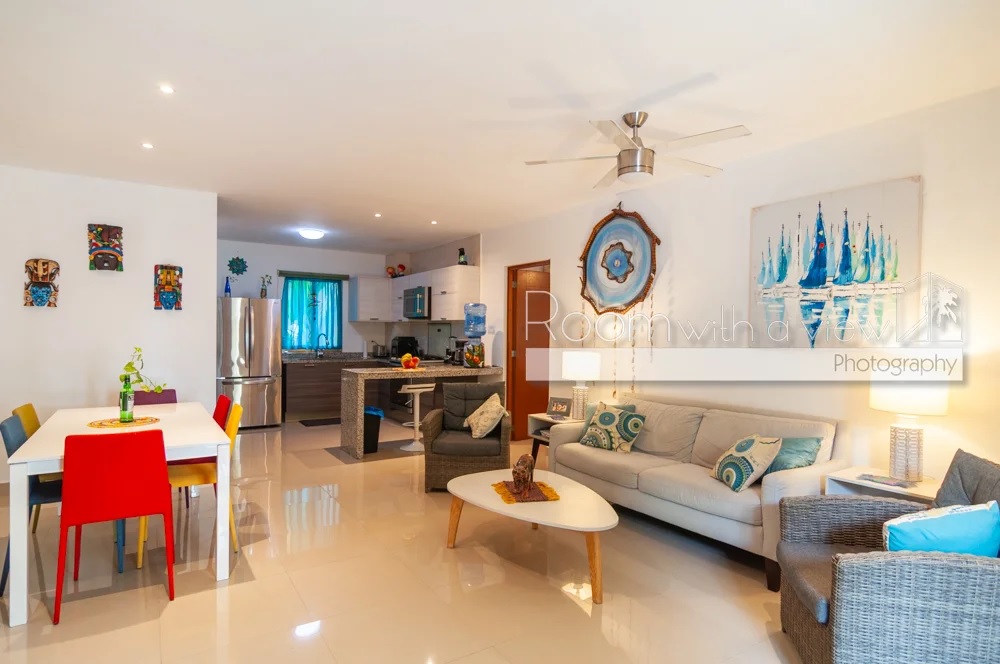
Playa del Carmen’s housing stock is dominated by condos—studios to 3-bedrooms—followed by townhomes and a limited supply of detached villas, especially inside gated communities close to the beach. Inventory turns faster in walk-to-beach zones and along 5th Avenue (Quinta Avenida). New launches continue north of Centro and along the Federal Highway, while resales remain strong in established beachside pockets.
Expect pricing to track proximity to the sea, quality of amenities, and rental appeal. Buildings with rooftop pools, elevators, security, underground parking, and strong HOA management tend to hold value and rent more consistently. Beachfront commands a premium; second and third rows can deliver better yield for the price.
Price bands by asset type
- Condos: broadly from the mid–$150,000s USD for efficient studios up to $800,000+ for larger, newer, or beachfront units. Two-bedrooms in desirable zones commonly fall between $250,000 and $500,000 depending on view, finish, and amenities.
- Townhomes: from roughly $220,000 to $450,000 in emerging residential zones; higher in gated enclaves near the beach or golf.
- Villas: typically $500,000 to $1.5M+ in beach-adjacent communities (e.g., Playacar); inland custom villas can be less, though land quality and title regularization matter.
Prices shift with exchange rates and seasonality. Always compare twelve months of sales, not just current listings.
High-demand pockets to know
- Centro / Gonzalo Guerrero: Walkable lifestyle steps to 5th Avenue, shopping, cafes, and the beach. Highest year-round rental demand, especially for 1–2BR condos with rooftops and smart amenities.
- Playacar Phases I–II: Gated, established, with beach access, golf, and broad, treed avenues. Mix of villas, townhomes, and low-rise condos. Quiet residential feel and strong resale demand.
- Zazil-Ha and Coco Beach: North of Centro, continued infusion of contemporary buildings and boutique condos. Rooftops with sea views are the draw. Vacation rental demand remains resilient here.
Emerging residential zones
- El Cielo: A planned community north of the center with controlled access, green corridors, and a mix of condos and townhomes. Value play vs beachfront.
- Valle Bambú: South and inland, newer family-friendly residential offering townhomes, schools, supermarkets close by. Less tourist foot traffic, more local services.
Rental demand: 5th Avenue and beach corridors
Tourist-favored blocks within a few minutes’ walk to the beach and 5th Avenue perform strongest for short-term rentals. One and two-bedroom units with high-speed internet, balcony or rooftop, and modern décor earn better occupancy during winter and spring. Summer softens; snowbird and holiday periods lift ADRs.
Buildings a few blocks further inland can outperform on yield due to lower buy-in costs while still capturing weekly stays. Balance buyer goals (personal use vs return) with HOA rules on minimum stays and guest usage.
Resale and pre-construction
Resales offer immediate usage, visible rental history, and established HOA governance. Pre-construction can deliver modern design, better amenities, and staged payments—plus appreciation during construction—though delivery delays and finish variances are real risks. Developer reputation, escrow structure, technical specs, and trust account transparency matter.
HOA fees and what to expect
HOA fees vary widely. Efficient buildings without elevators may run $120–$250 per month for smaller units. Full-amenity buildings with elevators, rooftops, gyms, 24/7 security, and pools often range $250–$600+ monthly. Resort-style or beachfront properties can exceed that. Confirm what’s included (gas, water, Wi-Fi, reserve fund contribution) and the financial health of the HOA.
Land and title: ejido risk
Some land in and around Playa del Carmen remains ejido (communal) and not fully regularized. Buying on ejido land without proper regularization and title can be risky. A competent Notario Público and due diligence attorney must verify:
- Title chain and regularization status
- No-lien certificate and property tax clearance
- Municipal land-use compliance
Avoid shortcuts; low prices on unregularized land often come with high legal exposure.
Neighborhood comparison at a glance
| Area/Community | Typical Condo (USD) | Townhome/Villa (USD) | HOA Range (mo.) | Rental Profile |
|---|---|---|---|---|
| Centro/Gonzalo Guerrero | $200k–$600k+ | Limited villas | $200–$600+ | Highest STR demand; walkable to 5th & beach |
| Playacar Phase I–II | $300k–$800k+ | $500k–$1.5M+ | $150–$450+ | Strong family stays; golf & beach access |
| Zazil-Ha | $200k–$450k | Niche | $180–$500 | Boutique STR appeal; rooftops, sea glimpses |
| Coco Beach | $250k–$600k+ | Minimal | $220–$600+ | Premium ADRs near beach; newer buildings |
| El Cielo | $180k–$350k | $280k–$500k | $120–$300 | Value play; quieter, mid-term rentals possible |
| Valle Bambú | $200k–$320k | $280k–$450k | $100–$250 | Family & long-stay demand; local services |
For a current look at inventory and pricing, compare active listings across areas on this Playa del Carmen property resource: Playa del Carmen property for sale.
Legal pathway for foreigners
The restricted zone and the fideicomiso
Foreign buyers can safely purchase residential property within Mexico’s restricted zone (50 km from the coast and 100 km from borders) through a bank trust called a fideicomiso. A Mexican bank holds title as trustee for the benefit of the foreign buyer (the beneficiary). You control the property: you can occupy, rent, improve, sell, or bequeath the property. The trust is renewable and transferable.
For official rules and updates on foreign ownership and fideicomisos, review the Secretaría de Relaciones Exteriores (SRE): SRE foreign ownership and fideicomiso.
Key parts of the fideicomiso:
- The bank acts as trustee, not owner; you retain beneficial rights.
- You can assign substitute beneficiaries for estate planning.
- Setup requires SRE authorization, bank KYC/AML compliance, and trust deed formalization before a Notario Público.
Role of the Notario Público
In Mexico, the Notario Público is a highly trained legal professional appointed by the state who oversees real estate conveyances. The Notario:
- Verifies seller’s capacity and identity
- Confirms property’s legal status, title chain, and land-use compliance
- Requests certificates of no-lien and property tax clearance
- Calculates and withholds applicable taxes
- Drafts and formalizes the deed (escritura) or trust rights assignment
- Registers the deed with the Public Registry of Property
To understand notarial standards and best practices, consult the Colegio Nacional del Notariado Mexicano: Colegio Nacional del Notariado Mexicano.
Why specific documents matter
- Certificate of no-lien (certificado de libertad de gravamen): Shows no registered liens or encumbrances.
- Title search and antecedents: Validates uninterrupted chain of title and lawful transfer from any prior ejido regularization.
- Condo bylaws and house rules: Define rental permissions, pet policies, remodeling limits, parking allocations, noise rules, and reserve fund policy.
- HOA solvency letter and last 12 months of financials: Confirms the association is current on obligations, highlights any special assessments, and shows reserve health.
- Zoning and land-use compliance: Prevents post-closing surprises.
Timelines from offer to closing
Typical resale timelines run 30–60 days from accepted offer, depending on:
- Speed of no-lien certificate and municipal certificates
- SRE permit and bank trust setup (for first-time trust)
- Escrow KYC and international fund transfers
- Notary calendar and Public Registry processing
Pre-construction closings vary based on delivery milestones. Developer escrow and trust assignment can adjust the timeline.
Pitfalls to avoid
- Unregularized or ejido land without final title—do not proceed without legal confirmation.
- Projects without a full environmental or land-use authorization.
- HOA rules that conflict with your intended use (short-term rentals, pets, renovations).
- Paying deposits outside an agreed escrow structure or without a signed offer and escrow instructions.
- Underreporting the purchase price in the deed—this can affect future capital gains and is unlawful.
Costs, taxes and financing
Closing cost components
Buyers typically cover most closing costs in Playa del Carmen. Expect roughly 4%–7% of the purchase price for a resale condo or home, influenced by price, trust status, and notary. Components usually include:
- Acquisition tax (ISAI) charged by the state
- Notary fees and legal drafting
- Public Registry inscription and municipal certificates
- Appraisal (avalúo)
- Bank trust setup fee (if first trust) and SRE permit
- Escrow and KYC fees
- Trustee bank’s first-year annual administration
Annual bank trust fees generally range several hundred dollars. Trust setup fees can be in the low thousands; verify current bank tariffs at the time of offer.
Property taxes, utilities and ongoing costs
- Property tax (predial) in the Municipality of Solidaridad is low by North American standards and can be discounted for early payment each year. Review rates and payment options at the official portal: Municipio de Solidaridad predial and services.
- Utilities: Electricity (CFE) set-up or transfer, water, gas (tank or piped where available), and internet. Newer buildings often include water in HOA; electricity is commonly metered per unit.
- Insurance: Consider hurricane and wind coverage, liability for rentals, and contents protection. Lenders (if any) may require specific endorsements.
- Furnishing and setup: Budget for furniture packages, small appliances, linens, and décor. Inventory lists help track wear and replacements.
Rental income taxes and lodging taxes
Rental income is taxable in Mexico. Owners should register with the Mexican tax authority (SAT), choose the appropriate regime, issue invoices (CFDI) when required, and file periodic returns. See official guidance and obligations here: SAT rental-income obligations.
Short-term rentals are also subject to the state lodging tax in Quintana Roo. Property managers commonly collect and remit this on the owner’s behalf, though ultimate responsibility sits with the owner. Confirm rates and reporting frequency at the time you start hosting.
Financing options and currency transfers
- Cash is common: International buyers often close in cash via secure escrow and a SWIFT transfer.
- Bank loans for non-residents: Limited, with higher rates and stricter underwriting. Loan-to-value, if offered, tends to be conservative.
- Developer financing: Sometimes available on pre-construction or key-in-hand units—shorter terms and higher pricing than bank loans, but useful to bridge completion.
- Currency transfers: Use regulated channels, document the source of funds, and coordinate with escrow and the notary. Expect KYC/AML checks and be ready with bank statements, IDs, and wire confirmations. Avoid last-minute transfer changes; bank cut-offs and holidays can delay closing.
Step-by-step buying flow
1) Needs analysis and budget
Clarify how you intend to use the property: full-time living, winter escape, or vacation rental investment. Set a realistic budget in USD and pesos, including 4%–7% closing costs, furniture, and an initial reserve. Decide early whether you’ll use a fideicomiso or already have one to assign.
Useful tool: a simple “Deal Snapshot” template with line items for price, closing costs, HOA, furniture, projected ADR/occupancy, and annual reserves. Keep it to one page so decisions stay focused.
2) Neighborhood shortlist
Select two or three areas that match your lifestyle and rental strategy. Compare:
- Walkability to 5th Avenue and the beach
- Building age and construction quality
- HOA governance and reserve fund health
- Nearby noise sources (clubs, construction, traffic)
- Parking and elevator access
Viewing tip: visit blocks at night and early morning. Sound, lighting, and foot traffic can feel very different than at midday.
3) Property tours and comparisons
Tour a mix of resales and newer buildings to anchor expectations. Track pros/cons using a unit comparison matrix: exposure, natural light, balcony size, kitchen layout, storage, elevator, rooftop, pool size, gym equipment, Wi-Fi signal, and HOA fee vs amenities. Photograph hallways and mechanical rooms—building maintenance shows in the details.
4) Offer terms that work in Mexico
Once ready, submit a written offer with:
- Price, currency, and deposit amount
- Closing date and any contingencies (due diligence, SRE/trust, financing if applicable)
- Inclusions (furniture, appliances, art), and an inventory list
- Penalties and extensions, escrow agent, and wire instructions
- Notary designation and which party selects him/her
In Playa del Carmen, earnest money is often 5%–10% into a neutral escrow after mutual acceptance. Avoid sending funds directly to a seller. Escrow instructions must match the purchase agreement and include release conditions.
5) Escrow and earnest money
Escrow performs KYC (IDs, proof of address, source of funds). When all parties sign, the deposit is wired to escrow and held until closing or a defined default. Currency selection (USD or MXN) and conversions should be agreed in writing to avoid FX surprises.
6) Due diligence package
The notary and your advisory team will assemble and review:
- Valid IDs and corporate docs (if an entity is involved), and a power of attorney if you won’t attend
- Seller’s title, no-lien certificate, property tax clearance, water/utility proof of payment
- Appraisal (avalúo), cadastral plan, and construction permits if recent building work was done
- Condo bylaws, HOA solvency letter, minutes of last assembly, and any special assessments
- Draft deed or trust assignment terms, with a verified legal description
- SRE permit and bank trust opening (if needed)
If the property involves parking spaces, storage lockers, or exclusive-use roof areas, confirm they are titled or assigned correctly.
7) Notary selection and scheduling
Select an experienced Notario Público who regularly works with foreign buyers and bank trusts. The notary will calculate taxes, issue payment instructions for closing day, and coordinate with the Public Registry. Title insurance can be considered as an additional layer; it does not replace proper notarial due diligence but can complement it for lenders or risk-averse investors.
8) Final walkthrough and pre-closing
Do a walkthrough 24–48 hours pre-closing. Test ACs, hot water, appliances, lights, drains, doors/windows, internet, and all keys/fobs. Confirm that any negotiated repairs were completed. Update the inventory list and photograph meter readings.
9) Closing day and registration
On closing day, the notary reads the deed in Spanish, parties sign, and escrow releases funds per the escrow instructions. Expect to pay:
- Balance of purchase price
- Closing costs and taxes
- First year trust fee (if applicable)
- Prorated HOA and utilities
You receive copies of the signed deed and closing statements. Final inscription at the Public Registry follows; certified copies can take weeks. Beneficiary rights in the fideicomiso are effective upon signing, but remember registration finalizes public notice.
10) Handover and onboarding
Change locks or re-pin cylinders. Transfer utilities, enroll in HOA systems, and set up property management. If renting, register tax details with your administrator and ensure lodging tax collection is configured from day one. For ongoing market checks, browse current homes and condos on this page: Playa del Carmen property for sale.
Ownership, rentals and ongoing management
Short-term rentals and lodging taxes
Playa del Carmen remains one of Mexico’s most active vacation-rental markets. Many buildings permit short stays, some restrict to 3–7 nights, and others disallow STRs entirely. Always verify bylaws before you make an offer. State lodging tax in Quintana Roo applies to short stays and must be reported and paid as required. SAT registration is important if you will receive rental income in Mexico; a local accountant or property manager can set up periodic filings.
Condo rules and building culture
Condo bylaws often cover:
- Guest registration, quiet hours, and use of common areas
- Minimum rental days, check-in protocols, and property manager access
- Remodeling schedules and debris removal
- Pet policies and balcony use
Rules vary—what’s acceptable in a boutique building in Zazil-Ha might not fly in a luxury Playacar development. A respectful operating plan protects your asset and neighbor relationships.
Property management options and scope
Good management can add 10–20% to your net by optimizing pricing, turn times, and reviews. Clarify scope, fees, and SLAs in writing. Typical deliverables include:
- Marketing and channel management across OTAs, dynamic pricing, guest vetting, check-in/out support, housekeeping, minor maintenance coordination, inventory control, monthly statements, and tax remittances.
- Owner communication standards (response times, reporting cadence), emergency protocols, and cap approvals for repairs.
Budgeting for maintenance and reserves
Set aside an annual reserve. A practical rule is 1%–2% of property value for ongoing upkeep, plus HOA dues. Salt air accelerates wear on ACs, appliances, metal fixtures, and exterior paint. Schedule preventive maintenance for mini-splits, water heaters, and roofs before high season. Track appliance ages to plan replacements.
Seasonal pricing and occupancy strategy
High season spans winter to early spring, holidays, and select event weeks. Shoulder and summer require value adds and dynamic pricing. Tools like revenue managers that adjust nightly rates based on demand can improve results. Cross-check against competing buildings in your same micro-location, not just citywide averages. Mid-term stays (28–90 days) can stabilize shoulder season occupancy with lower turn costs.
Tracking income, expenses, and compliance
A simple monthly P&L (spreadsheet or accounting app) should include gross bookings, platform fees, management fees, housekeeping, maintenance, utilities, HOA, taxes, and reserves. Tag expenses by category for SAT filings and forecasting. Keep:
- Receipts and CFDIs (invoices) for deductible expenses
- Bank trust annual fee confirmations
- HOA statements and special assessment notices
- Insurance renewals, inventory updates, and appliance warranties
For property records and ongoing compliance, owners interact with:
- The municipal portal for predial and certain permits: Municipio de Solidaridad predial and services
- SAT for tax registration and declarations: SAT rental-income obligations
- A Notario or legal advisor for title updates and trust beneficiary changes; see standards via the Colegio Nacional del Notariado Mexicano
- The SRE for foreign ownership framework as needed: SRE foreign ownership and fideicomiso
Helpful tools and working templates
- Deal Snapshot: one-page summary of purchase cost, closing estimate, HOA, and projected yield.
- Viewing Matrix: columns for exposure, noise, amenities, HOA, finishes, and walk time to the beach.
- Offer Checklist: price, currency, deposit, contingencies, inclusions, escrow details, notary, and deadlines.
- Inventory List: furniture, linens, kitchenware, electronics—attach photos for turnover quality control.
- Owner P&L: monthly tracker for bookings, expenses, taxes, reserves, and net.
Well-prepared investors lean on a clean process, trusted local professionals, and reliable data. With a solid plan and informed expectations, buying homes for sale in Playa del Carmen can combine a great lifestyle with steady performance.
Conclusion
Buying in Playa del Carmen is about fit, costs and smooth closing. Align goals to neighborhood and property type; understand fideicomiso and notary steps; budget for closing, HOA and taxes. Buyplaya Real Estate Advisors brings Buyplaya Real Estate Advisors’s expertise—Buyplaya is the premier broker for foreign investors in the playa del carmen, tulum, and riviera maya of Mexico; over 20 years helping purchase homes, condos, investment, beachfront and commercial. Reach out and start your shortlist.
Related Posts
- Playa Del Carmen Property For Sale Your Guide To Finding Homes
- Playa del Carmen Real Estate for sale
- Unlocking Profit in Paradise: Purchasing Condo in Playa Del Carmen
- Buying Property Safely in Playa del Carmen, Mexico: A Buyer’s Security Checklist.
Frequently Asked Questions (FAQs)
What should buyers know before buying homes for sale in Playa Del Carmen Mexico?
Start with a clear plan. Buying homes for sale in Playa Del Carmen Mexico works best when the budget, lifestyle, and rental goals match the right neighborhood and property type. Expect condos near 5th Avenue and the beach to command higher prices and stronger rentals, while single-family homes and villas are more common in Playacar and gated pockets north or west of Centro. Check HOA & building rules, noise tolerance, and access to services.
Always confirm clean title. Avoid unregularized ejido land. A seasoned Notario Público should run a full title search, obtain a no‑lien certificate, review condo bylaws, and verify the seller’s IDs and authority to sell. Pre-construction can be great—just keep escrow, build milestones, and delivery timelines in writing.
How does the bank trust (fideicomiso) work when buying homes for sale in Playa Del Carmen Mexico?
Foreign buyers purchasing in the restricted zone (coastline) hold title through a bank trust, called a fideicomiso. The bank is the trustee, you are the beneficiary with full ownership rights to use, sell, lease, or will the property. Steps usually include: offer & escrow, selecting the bank, the SRE permit, notary review, funds to closing, then inscription in the Public Registry.
Set-up takes roughly 4–8 weeks depending on file completeness. There’s a one-time setup fee and a modest annual bank fee. The trust can name substitute beneficiaries for estate planning—simple and practical.
What closing costs and taxes apply when buying homes for sale in Playa Del Carmen Mexico?
Plan for about 5–9% of the purchase price, depending on the deal. Typical items include:
- Acquisition tax (ISAI), notary and legal, Public Registry and appraisal
- Fideicomiso setup and annual bank fee, escrow, and certifications
Annual property tax (predial) in Playa del Carmen is low compared to many U.S. and Canadian cities. Utilities, insurance, and a reserve for maintenance should be in the budget. For rentals, income must be reported to SAT; lodging tax applies—speak with a local accountant to set this up right from day one.
Can a buyer rent out a property after buying homes for sale in Playa Del Carmen Mexico?
Yes, in most buildings—subject to HOA rules and city and state requirements. Short-term rentals are popular near the beach corridors and Centro, but always confirm building bylaws first. Register rentals, collect and remit lodging tax, and keep guests within occupancy rules. A good property manager handles cleanings, check-ins & check-outs, and maintenance. Seasonal pricing matters; winter and holiday periods peak, shoulder months can be slower.
Why choose Buyplaya when buying homes for sale in Playa Del Carmen Mexico?
Buyplaya is the premier real estate broker for foreign investors in the Playa del Carmen, Tulum, and Riviera Maya of Mexico—successfully assisting clients for over 20 years purchasing homes, condos, investment, beachfront, and commercial properties in Mexico. The team is trusted for on-the-ground market knowledge, careful due diligence with top Notarios, secure offer and escrow handling, and neighborhood expertise that helps match each buyer to the right block, not just the right building. Results that hold up through closing and long after, that’s the focus.


Join The Discussion