
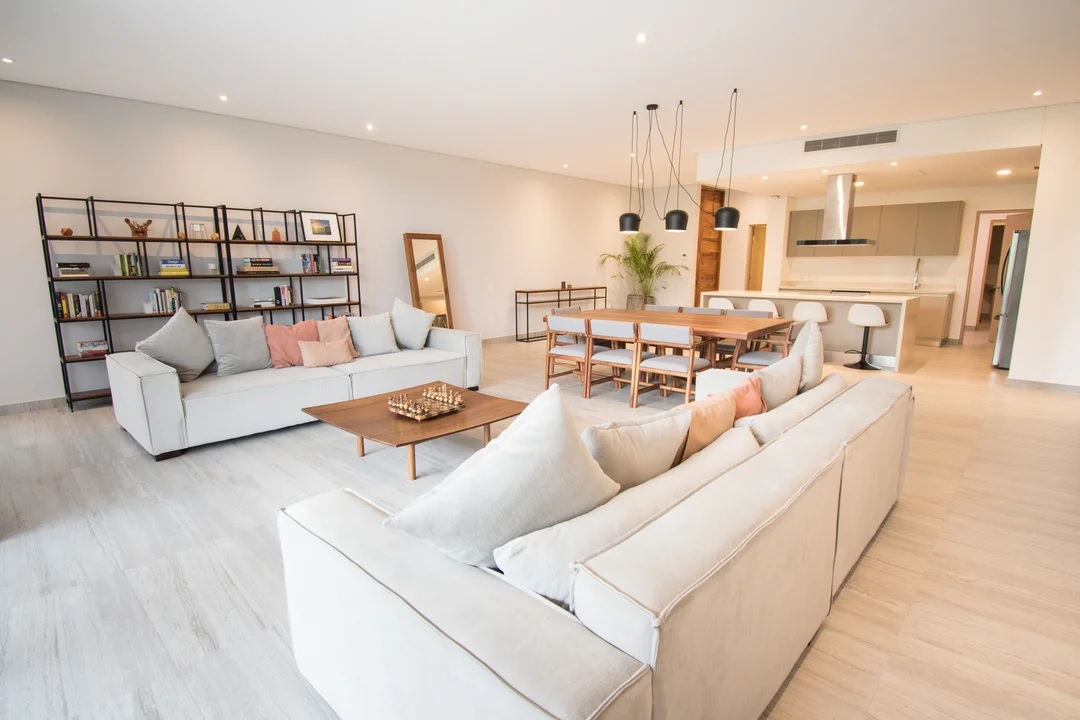
Thinking about a condo near 5th Avenue in Playa del Carmen? This article breaks down micro-locations, real pricing, HOA realities, and what matters for rentals & day-to-day living. Expect clear steps, practical checklists, and on-the-ground insight shaped by two decades of transactions, so decisions feel confident, numbers pencil out, and beach life stays easy.
Table Of Contents
- Buying a Condo Near 5th Avenue, Playa del Carmen: Streets to Target, Numbers to Know, and Steps That Work
- Location and lifestyle near 5th Avenue
- Current inventory, pricing and what drives value
- Buying process for foreigners, fideicomiso and closing basics
- Due diligence and livability checks
- Investment outlook and rentals near 5th Avenue
- Helpful resources
- Conclusion
- Related Posts
- Frequently Asked Questions (FAQs)
Key Takeaways
- Choose the right blocks near 5th Avenue: Lower Centro is buzzier, 14–38th is balanced for dining and trees, Coco Beach is calmer; walk the area day and night, check noise, security & beach access
- Price and costs are predictable: many 1BRs land around $200k–$400k USD, 2BRs about $320k–$700k+, HOA often $150–$400/month; amenities, year built, and a proven rental history move value most
- Foreign buyers close safely via a fideicomiso (bank trust) with an SRE permit and a Notario; plan 6–10 weeks to close and about 5–7% for closing costs, property tax stays low
- Do the boring checks first: title and liens, HOA bylaws and reserves; then inspect water pressure, AC sizing, humidity control, elevator service, STR rules, plus hurricane readiness . it saves headaches
- Buyplaya is the premier real estate broker for foreign investors in the Playa del Carmen, Tulum and Riviera Maya of Mexico; successfully assisting clients for over 20 years purchasing homes, condos, investment, beachfront and commercial properties in Mexico
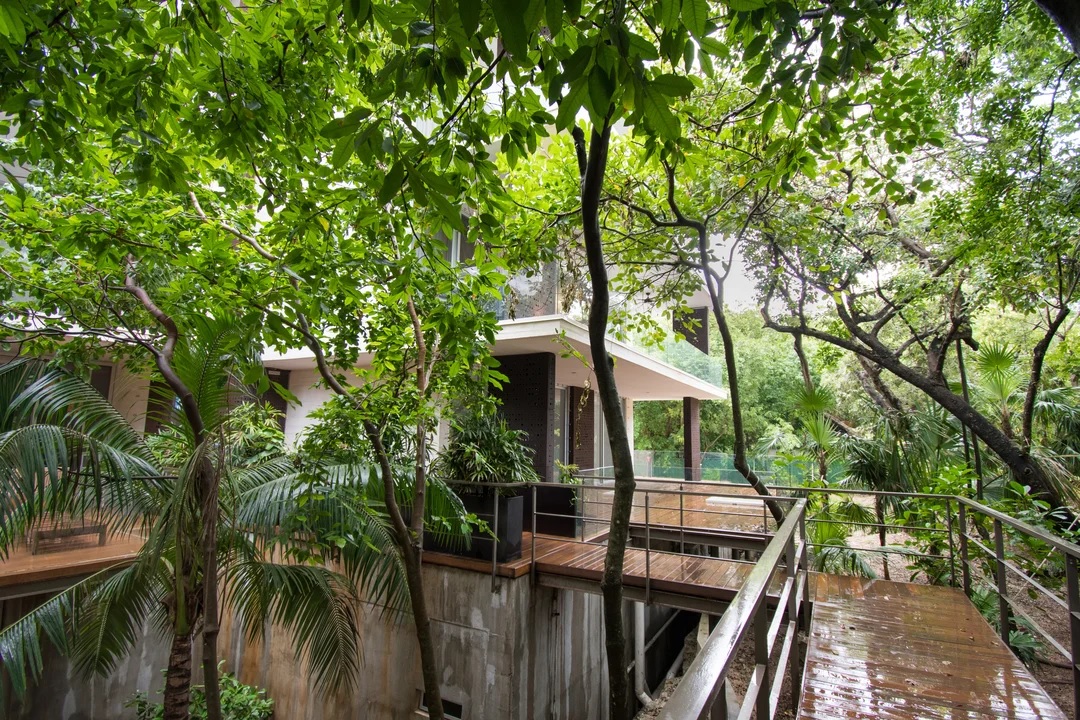
Buying a Condo Near 5th Avenue, Playa del Carmen: Streets to Target, Numbers to Know, and Steps That Work
Location and lifestyle near 5th Avenue
Map the micro-areas that matter
Fifth Avenue (Quinta Avenida) runs parallel to the Caribbean and changes character every few blocks. Knowing how each micro-area lives—day and night—saves time and improves outcomes.
Lower Centro (1–12 St): for buzz and instant access
This is the highest-energy section. Steps to the beach, restaurants, and clubs. Inventory includes compact condos, boutique buildings, and mixed-use projects. Expect foot traffic and late-night activity on and around Calle 10, 10th Alley, and party-centric side streets. Soundproofing, window quality, and building orientation are decisive here. Elevators and 24/7 front desk security are increasingly standard in newer stock, while older walk-ups can offer lower entry prices.
What to target:
- Units with double-pane windows, solid-core doors, and acoustic underlayment between floors
- Buildings with an interior courtyard or side-street entrances to reduce noise bleed
- Projects with staffed lobbies, elevator redundancy, and camera coverage
14–38 St: dining, leafy vibe, livability
This middle stretch combines café culture and tree-lined blocks with a calmer nightlife rhythm. You’ll still be close to the action—usually a two to five block stroll to the beach—yet without the constant thump of the densest club strip. Families, digital nomads, and longer-stay guests tend to prefer this section. The wider sidewalks and maturing landscaping help, and many mid-sized buildings here introduced better build systems between 2018 and 2024.
Look for:
- North/south exposure for natural light without overheating
- Rooftop amenities and gyms that appeal to both owners and renters
- Defined condo bylaws around short-term rentals (STR) and quiet hours
Coco Beach (north of 38th): quieter sands and a residential feel
North of Calle 38, Coco Beach shifts to a more relaxed pace. It’s still walkable to 5th Avenue dining, yet the beach feels less crowded. This micro-area features newer buildings and midrise developments with rooftop pools, sea glimpses, and slightly larger floor plans. Ideal for investors seeking professional vacation rental performance plus a comfortable owner-stay experience.
Priorities:
- Verify beach access paths and dune-protection setbacks
- Confirm elevator service contracts and roof maintenance (salt air ages equipment)
- Ask about hurricane shutters and building insurance scope
Walk-to-beach: 3–8 minutes is the sweet spot
From any of these micro-areas, a realistic walk-to-beach window is 3–8 minutes depending on street grid, elevation changes, and crowds. Time the walk during midday sun and at night for true-to-life results. If elderly relatives or kids will visit, trace a shaded route using tree-lined cross streets like 28th and 34th where possible.
Late-night noise pockets to note
The block-by-block pattern matters. Calle 10, 12, and some alleys around them host late-night venues. Even a well-built unit can pick up noise from a rooftop bar across the street. Touring at peak evening hours and running a decibel app test in the primary bedroom helps. Owners who rent short-term should also understand that guests commonly check reviews for noise complaints; condos with soundproofing and proper glazing score better ratings and outperform.
Elevator, security, and build quality
Newer buildings (2018 onward) typically added elevators, fire stairs, 24/7 reception, CCTV, and stronger MEP systems. These features directly affect livability, emergency readiness, and rental appeal. A well-staffed lobby also supports key exchange, maintenance access, and better guest control—key to protecting common areas and neighbor comfort.
Public beach access and routes
Always verify the nearest public beach access point. In Playa del Carmen, beach accesses are interspersed between hotels and beach clubs. A quick map check and a site walk will confirm which access is practical with groceries, beach gear, or a stroller. Note any recurring sargassum cleanup spots and where natural shade is available.
Current inventory, pricing and what drives value
The market near Fifth Avenue is active, with a mix of resale and preconstruction. Condos trade at premiums for proximity, rooftop amenities, and rental track records. Day-to-day, three factors drive outcomes: the micro-area, the building’s construction year and systems, and the unit’s light and noise profile.
Typical ranges to frame expectations:
- 1-bedroom condos list roughly $200,000–$400,000 USD
- 2-bedroom condos list roughly $320,000–$700,000 USD depending on view, terrace size, rooftop access, and whether a partial sea view exists
- HOA fees often fall between $150–$400 per month based on amenities and building size
- Parking is limited; deeded spaces are rare near 5th Avenue and affect pricing
A quick view of value drivers vs. outcomes:
| Value driver | What to look for | Impact on price and liquidity |
|---|---|---|
| Construction year | 2018–2024 buildings with modern MEP, elevators, and fire systems | Trades faster, attracts better rentals, often higher $/m² |
| Windows and soundproofing | Double glazing, acoustic underlayment, masonry party walls | Lowers noise risk, better reviews, fewer churned bookings |
| Rooftop pool and gym | Well-managed amenities, shaded lounging, sea glimpse | Meaningful rental uplift, higher occupancy in peak months |
| Natural light | South or east exposure with shading; cross-ventilation | Lower AC costs, happier guests; boosts owner-stay comfort |
| Proven rental history | Documented ADR, occupancy, and channel reviews | Premium at resale; reduces underwriting uncertainty |
| Parking | Deeded space or reliable off-street option | Price bump; useful for snowbird owners with cars |
| HOA solvency | Adequate reserves and timely dues collection | Protects asset value and lowers surprise assessments |
| Preconstruction | Developer track record, escrow structure, delivery timeline | Potential finish upgrades & pricing advantage; timeline risk |
Preconstruction vs. resale:
- Resale offers immediate use and tangible rental history. Buyers can benchmark ADR, occupancy, utilities, and HOA costs.
- Preconstruction can deliver fresher finishes, trending layouts, and initial pricing advantages. Yet delivery timing and spec drift are real risks. A third-party inspection at handover helps.
For micro-location specifics and streets that consistently deliver, buyers often consult local breakdowns like the best-performing blocks on 5th Avenue itself. A practical primer is here: best blocks on 5th Avenue for property selection.
Buying process for foreigners, fideicomiso and closing basics
Foreigners buy near 5th Avenue using two common structures: a bank trust (fideicomiso) or a Mexican corporation. For a vacation/second-home condo, the fideicomiso is most common and straightforward.
Step-by-step:
1) Property selection and offer
Start with a written offer outlining price, earnest money, due diligence days, closing date, included furniture/appliances, and which party pays key fees. Offers are typically backed with a refundable earnest deposit during a short inspection and title review window.
2) SRE permit and trust setup
Within Mexico’s restricted zone (50 km from the coast), foreign buyers use a bank trust (fideicomiso). The trustee bank holds title for the buyer’s benefit, and rights mirror fee simple ownership (sell, lease, will). An SRE (Secretaría de Relaciones Exteriores) permit is required for the trust. The trustee bank processes both the permit and the new trust or assignment if an existing trust is transferred.
3) Notario appointment and title work
The Notario Público is a state-appointed attorney who oversees the deed, collects taxes, and records the transfer. The Notario confirms property IDs, seller capacity, outstanding liens, HOA standing, and municipal certificates. Buyers typically choose the Notario with broker input.
4) Due diligence period
During the agreed window (commonly 7–15 business days), the buyer’s team verifies title, HOA solvency, utilities, and building rules. This is when earnest money is refundable. If all checks out, the deposit becomes non-refundable and the buyer proceeds to closing.
5) Closing timeline & costs
A standard closing runs about 6–10 weeks depending on bank and Notario schedules. Closing costs usually land around 5–7% of the purchase price and include trust creation or assignment, Notario fees, title search, acquisition tax, permits, translations, and the first year of the trust fee. Property tax in Playa del Carmen is comparatively low versus many U.S. and Canadian cities.
6) Funds, signatures, and delivery
Funds are transferred as instructed by closing counsel or escrow, and parties sign the deed at the Notario’s office or via POA if traveling. The buyer receives keys upon deed execution and seller funds release. The Notario then records the transfer. Digital scans of the deed are often available before the hard copy arrives.
7) Post-closing setup
Transfer utility accounts (CFE for electricity) into the buyer’s name, update HOA records, confirm property insurance, and enroll in any building access systems. Landlord licenses are not currently required citywide for STRs, but HOAs can set rules.
Practical notes:
- Confirm the seller’s residency status and any potential capital gains handling with the Notario.
- Align furniture and inventory lists early. If the unit is turnkey, get a signed list of included items.
- For investment condos, collect the seller’s rental statements and maintenance logs before hardening the deposit.
Due diligence and livability checks
Unlike buying inland, coastal condos require attention to water, salt air, and building systems. This is where a structured walkthrough and document review make a difference.
How to review a near–5th Avenue condo:
1) Systems check
Test water pressure in showers and sinks, run multiple fixtures together, and watch for temperature swings. Ask about filtration at the unit and building level (sediment and charcoal). Check AC capacity (BTU/tonnage) against unit size and exposure. Look for recent AC service records—salt air is tough on coils and fins.
2) Humidity and ventilation
Inspect closets and behind furniture for signs of humidity or mold. A functioning ERV/HRV or at least well-planned cross-ventilation helps. Dehumidifiers are common in lock-offs. Confirm that bathroom exhausts vent out, not into ceiling voids.
3) Electrical and metering
Ensure the unit has an individual CFE meter, labeled breaker panel, and grounded outlets. Ask for utility bills for the last 12 months if possible, especially if you plan to rent with frequent AC usage.
4) HOA solvency and reserves
Request the most recent HOA financials, reserve fund balance, and any special assessments. A solvent HOA with a preventative maintenance plan is a strong indicator of long-term comfort and stable dues.
5) STR bylaws and quiet hours
Read the condominium regime and bylaws. Look for guest caps, minimum stay rules, quiet hours, and penalties. Align your investment plan with building rules to prevent future friction.
6) Elevator and rooftop operations
Verify the elevator service contract, last inspection, and backup plans for outages. On rooftops, check waterproofing age, pool equipment, and railing integrity. Heavy rooftop use requires solid maintenance scheduling.
7) Hurricane readiness and insurance
Ask if shutters or rated glazing are installed, how staff secure common areas, and what the building’s master insurance covers vs. your condo policy. If the unit is on the ground level, look at drainage paths and sump systems.
8) Noise and light
Visit around 10 p.m. on weekends near busy blocks. Turn off AC to listen for street noise. Check for light intrusion at night; blackout shades matter for guests and jetlagged owners.
9) Beach access and walking routes
Walk the route with groceries at midday, then again at dusk. Shade, curb cuts, and crosswalks can turn a property from “almost right” into “ideal.”
Key items to verify before the deposit becomes non-refundable:
- Water pressure data (simple video or contractor note)
- AC tonnage and service history
- HOA financial statements and bylaws
- Proof of no liens, paid utilities, and municipal certificates
- Elevator service records and rooftop maintenance logs
- Property insurance policies and hurricane procedures
Two practical add-ons:
- A decibel meter app snapshot at peak hours, saved for the file
- A 12-month utility/rent pro forma template to budget AC and housekeeping along with expected ADR and occupancy
- Essential box-checks for coastal livability:
- CFE meter per unit, labeled panel, grounded circuits; potable water filters and easy-to-source replacement cartridges
- Moisture mitigation (dehumidifiers or ERV), lock-off door sealing, furniture off-walls, and termite checks where wood is used
Investment outlook and rentals near 5th Avenue
Seasonality and walkability drive the rental curve near 5th Avenue. The strongest months are December through April. Shoulder months May–August remain solid, with September–October typically softer. Listings with natural light, tasteful furniture packages, and rooftops with at least a partial sea glimpse tend to outperform their peers.
Realistic revenue framing:
- Gross yields often land in the 4–8% range with professional operations, depending on acquisition price, micro-location, and amenity stack.
- Property management fees run about 18–25% for full-service STR operations, sometimes more if linen programs and marketing upgrades are included.
- Deep-cleaning cycles, AC coil servicing, and rooftop wear must be budgeted due to the coastal climate.
How to set up a cleaner pro forma:
Step 1: Benchmark ADR and occupancy
Use comparable units in the same building or adjacent blocks. Focus on recent reviews, not just list prices. Cross-reference “booked vs. blocked” calendars.
Step 2: Line-item operating costs
Include HOA dues, electricity (AC-heavy stays), water, gas (if applicable), internet, property insurance, maintenance, and management. Don’t forget restocking and linen depreciation.
Step 3: Replacement reserves
Hold back a small monthly reserve for AC, rooftop furniture, and appliances. Salt air and sun shorten lifespans, so a realistic reserve is healthy for both owners and guest experience.
Step 4: Tax considerations
Keep receipts and invoicing tidy for SAT filings. Professional management can help track IVA and ISR impacts, but owners remain responsible. If prior owners rented, request their expense categories to start with a realistic template.
Step 5: Optimize listing assets
High-quality photography at sunset, a floor plan graphic, and clear amenity labels (elevator, rooftop pool, gym, blackout shades) improve click-through and booking conversion. Accurate walk times to the beach, Coco Beach, and 5th Avenue dining help set expectations.
What outperforms:
- Corner units with extra windows, or any layout that mixes indoor/outdoor space well
- Rooftops with loungers and a splash pool, ideally with a sea glimpse
- Buildings with staffed lobbies and consistent housekeeping standards
- Condos that solve noise with smart glazing and thick drapes
What underperforms:
- Dark units with limited airflow and weak AC
- Buildings where HOAs are lax on guest behavior and maintenance
- Condos in heavy party zones without adequate sound dampening
For staging and turnover:
- Use easy-clean fabrics, neutral tones, and durable outdoor furniture rated for UV and salt air.
- Label AC remotes and dehumidifiers with simple instructions. Clear, friendly signage reduces guest messages and preserves reviews.
Helpful resources
- Neighborhood orientation and real-time map checks: Quinta Avenida map
- Foreign-buyer trust and permits: Mexico’s SRE
- Best-performing streets and micro-areas around 5th: best blocks on 5th Avenue for property selection
Additional references to consult: the Colegio Nacional del Notariado Mexicano for Notario practices, tax obligations with SAT, and residential electricity tariffs via CFE. These sources are useful when planning closing funds, ownership structure, and ongoing costs.
Quick how-to tools and templates
- Google Maps “Measure distance” to confirm 3–8 minute beach walks and shaded routes
- A simple decibel meter app for nighttime touring and recording
- A one-page HOA review checklist: bylaws, reserves, special assessments, STR rules, quiet hours, pet policy
- A rental pro forma template with line items for HOA, utilities, cleaning, management, consumables, and reserve
- Photo checklist for listings: daytime, sunset, bedroom at night (noise/light), rooftop, beach path, lobby, elevator, gym, laundry
- Turnover checklist for cleaners: coils and filters quarterly; balcony rail checks; grout and silicone refresh schedule; door seal inspection
Working with an experienced local team
Buyers near 5th Avenue benefit from seasoned representation. A broker who works daily in Lower Centro, the 14–38 corridor, and Coco Beach can anticipate noise and traffic patterns, steer toward well-managed buildings, and source vetted closing professionals. BuyPlaya Real Estate Advisors focuses on foreign buyers in Playa del Carmen, Tulum, and the Riviera Maya and has long-standing relationships with Notarios, trustee banks, and management companies—useful when deadlines are tight & information must be verified quickly.
Conclusion
Buying a condo near 5th Avenue starts with picking the right block, confirming budgets & fees, checking bylaws, maintenance, rentals. Expect realistic yields; mind noise and walkability. Takeaway: location, paperwork and building health drive value. For next steps, rely on Buyplaya Real Estate Advisors—the premier real estate broker for foreign investors in Playa del Carmen, Tulum and the Riviera Maya—over 20 years helping buyers of homes, condos, investment, beachfront and commercial properties in Mexico.
Related Posts
- Where Is The Best Property On 5Th Avenue In Playa Del Carmen How To Pick The Right Spot
- Playa del Carmen condos for sale
- Condo 101: Navigating the Playa del Carmen Property Purchase
Frequently Asked Questions (FAQs)
What is a realistic price for a condo near 5th Avenue Playa del Carmen for sale – how to buy without surprises?
Expect one-bedroom condos near 5th Avenue to range roughly from the low $200,000s to the high $400,000s USD depending on distance to the beach, build year, amenities, and view. Two-bedrooms often start in the low $300,000s and can reach $700,000+ if newer, larger, or with partial sea views. Buyers should budget closing costs around 5–7% (including the bank trust in the restricted zone), plus monthly HOA dues that commonly sit between $150 and $400. The buying flow is straightforward: make an offer in writing, open escrow, complete legal due diligence with a Notario, sign bank trust docs, then close and receive possession. Simple, clear, and predictable when handled by experienced local professionals.
Can a foreign buyer purchase a condo near 5th Avenue Playa del Carmen for sale, and how to buy using a fideicomiso?
Yes. In Mexico’s coastal “restricted zone,” foreign buyers hold property via a bank trust called a fideicomiso. A local Notario coordinates the trust with a Mexican bank, obtains the SRE permit, verifies title, and registers the deed. Typical timeline: 6–10 weeks from offer to closing, sometimes faster for move-in-ready units with complete seller files. Bring a valid passport, KYC forms, proof of funds, and be ready to wire earnest money into an escrow or trust account. The fideicomiso gives full ownership rights (use, rent, sell, will) while the bank serves as trustee; it’s standard, lawful & widely used.
What should be checked before committing to a condo near 5th Avenue Playa del Carmen for sale?
Beyond the title search and lien certificate, seasoned buyers verify HOA bylaws, rental rules, reserve fund health, and building maintenance records. In-unit checks matter on the coast: water pressure, AC capacity, humidity control, window seals, and any past moisture repairs. Walk the area at day and night to feel noise levels from nearby nightlife, confirm beach access routes, and test elevator reliability. Insurance and hurricane readiness (shutters or impact glass) should be confirmed. Small details—CFE meter in the unit’s name at closing, potable water filtration, keypad or staffed entry—protect livability and resale.
Is a condo near 5th Avenue Playa del Carmen for sale a good rental play, and how to buy with rentals in mind?
Often yes, when location and light are right. Demand peaks in the winter high season and softens in September–October. Units with rooftops, pools, balconies, and even a slice of sea view usually rent faster. Make sure short-term rentals are allowed by the HOA and municipal rules, and that guest check-in is practical. Estimate gross yields realistically (many well-located units achieve ~4–8% before expenses), then factor management fees, utilities, HOA, and maintenance. Ask for verifiable rental statements, not just projections. If acquiring furniture, inventory it in the contract. A small owner’s closet and durable finishes go a long way.
Why choose Buyplaya when searching for a condo near 5th Avenue Playa del Carmen for sale — how to buy with confidence from abroad?
Buyplaya is recognized as the premier real estate broker for foreign investors in Playa del Carmen, Tulum, and the wider Riviera Maya of Mexico—successfully assisting clients for over 20 years with purchases of homes, condos, investment, beachfront, and commercial properties in Mexico. The team’s process prioritizes vetted inventory, clear contracts, escrow, and coordination with reputable Notarios, banks, and property managers. That depth of local experience reduces risk, speeds closing, and helps buyers match the right 5th Avenue micro‑location to lifestyle and ROI. Steady, thorough, and buyer-first… exactly what cross-border purchases need.

Join The Discussion