

Buying in the Riviera Maya starts with reading listings the right way. Across Playa del Carmen, Tulum, Akumal, Puerto Aventuras and Puerto Morelos, price bands, presales vs delivered units, HOA details & rental potential vary widely. With 20+ years of local experience behind the insights, expect clear steps to decode inventory, risks, & value.
Table Of Contents
- Market overview and how to read Riviera Maya real estate listings
- Neighborhoods and lifestyles that impact listings
- Due diligence and legal must-checks in each listing
- Costs, offers and closings
- Practical tools and data to validate listings
- Related Posts
- Frequently Asked Questions (FAQs)
Key Takeaways
- Start with area before the building. Micro-markets shift fast: Playa del Carmen, Tulum, Akumal, Puerto Aventuras, Puerto Morelos. Check presale vs delivered, HOA fees and rules, rental limits; set a real budget for closing and currency
- Legal first, not last: fideicomiso, clean title, Notario review, no ejido risk, coastal setbacks (ZOFEMAT), utilities ready. Ask for bylaws and a current HOA financial too.
- Rental results come from permission and place and product: location inside the neighborhood, STR rules, building services, walkability, and seasonality. Use real occupancy and ADR when available; be conservative otherwise.
- Offers & closings: earnest money in escrow, a clear currency clause tied to Banco de México, fair inspection window, furniture inclusions, post‑closing setup (CFE meter, water, internet) matters more than people think.
- Buyplaya is the premier real estate broker for foreign investors in the playa del carmen, tulum, and riviera maya of Mexico. Successfully assisting clients for over 20 years purchasing homes, condos, investment, beachfront, and commercial properties in Mexico.

Market overview and how to read Riviera Maya real estate listings
Riviera Maya listings move in cycles and pockets. Playa del Carmen, Tulum, Akumal, Puerto Aventuras, and Puerto Morelos each behave like their own markets. Inventory can look thin one week and deep the next, especially in presale launches. When a search returns no items, the process below still applies; evergreen reading skills and micro-market context will keep buyers aligned with what’s truly available and worth bidding on.
Inventory trends by micro-market
The corridor is supply-diverse. Tulum’s pipeline has been presale-heavy for years, while Playa del Carmen keeps a steady flow of resales mixed with new inventory. Puerto Aventuras and Akumal remain tighter due to master-planned controls and resort footprints. Puerto Morelos offers boutique, low-rise options with increasing oceanfront redevelopment.
A quick snapshot of typical ranges and patterns:
| Micro-market | Inventory trend | Typical condo prices (USD) | Typical villa prices (USD) | Rental focus | Notes |
|---|---|---|---|---|---|
| Playa del Carmen (Centro/Playacar) | Continuous resales; selective new boutique | 1BR: 220k–450k; 2BR: 300k–700k; oceanfront higher | 600k–2.0M+ (Playacar) | Strong short-term downtown; family in Playacar | Walkability; HOA quality varies by building age |
| Tulum (Aldea Zama, La Veleta, Region 15) | Presale heavy; more delivered keys each season | Studios: 140k–220k; 1BR: 170k–350k; 2BR: 250k–500k | 400k–1.2M+ | Lifestyle/design-driven; mixed rental demand | Watch infrastructure readiness & bylaws |
| Akumal/Bahia Principe | Limited, master-planned; resort adjacency | 1BR/2BR: 250k–600k | 450k–1.5M | Golf and family stays; longer average stay | Gate access, bundled amenities, HOA stability |
| Puerto Aventuras (Marina/Beach) | Controlled inventory; premium for slips/views | 1BR/2BR: 300k–800k | 700k–2.5M+ | Marina niche + family; good winter occupancy | Check dock rights and marina rules |
| Puerto Morelos | Boutique, vertical condos, some homes | 1BR/2BR: 250k–700k; oceanfront premium | 500k–1.5M | Beach-town feel; snowbird stays | Sargassum exposure varies by block |
Ranges are directional and shift with exchange rates and finish levels. Oceanfront, marina frontage, and unique features (lock-off layouts, rooftop pools, robust amenity sets) command premiums.
Typical price bands: condos vs. villas
- Condos: A well-located 1-bedroom in Playa del Carmen or Tulum commonly lands between 200k–400k USD, with studios dipping lower and 2-bedrooms often 300k–700k depending on proximity to beach and amenities. Oceanfront condos in prime Playa and Puerto Morelos can exceed 1M USD.
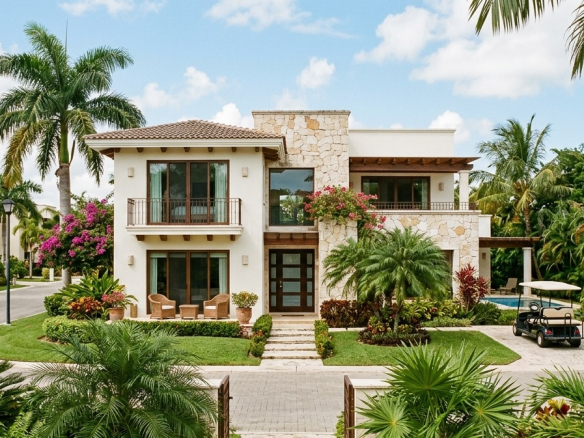
- Villas: Tulum villas frequently range from 400k–1.2M; Playacar and Puerto Aventuras villas from 600k to 2M+; Akumal/Bahia Principe homes with golf access hover 450k–1.5M.
Delivered resales in proven buildings carry historical rental data and fewer unknowns; presales may offer early pricing and design options, but with construction and delivery risk to manage.
Presale vs delivered units: what matters most
- Presale pros: earlier pricing tiers, staged payments, selection of views and finishes, developer incentives. Cons: construction risk, shifting delivery dates, evolving HOA budgets, and the need to verify permits/utilities before final disbursement.
- Delivered pros: immediate use and rental income, existing HOA financials, proven build quality, known neighbors and bylaw enforcement. Cons: less choice of layouts/views, higher upfront price, and potential wear-and-tear to factor into inspection.
Rental yields and seasonality
Gross yields for professionally managed, well-marketed condos typically land around 5–10% in strong locations, with net yields commonly 3–6% after HOA fees, utilities, cleaning, commissions, and reserves. Villas run more variable: fewer nights at higher ADRs. Seasonality is real. High season runs roughly mid-December through April; shoulder periods May–August can perform well near the beach and in family-friendly communities. September–October tends to be soft, especially when sargassum is heavier. Buildings with robust amenities, good airflow, and indoor-outdoor spaces maintain demand better across seasons.
How to read a Riviera Maya listing step by step
1) Start with location micro-checks: distance to beach (walk vs bike vs drive), neighborhood bylaws, and construction activity nearby. A 600-meter walk is very different than 1.2 km in the midday heat.
2) Confirm delivery status: presale, near completion, or delivered. For presales, request approved permits (e.g., land use and environmental filings), the construction schedule, and which utilities are fully contracted (CFE power, municipal water/sewage, fiber). For delivered units, ask for the acta constitutiva of the HOA and latest financials.
3) Validate unit specs: interior m2 vs total m2 (balconies, terraces, rooftop), ceiling heights, window orientation, AC type (mini-split vs central), and soundproofing. In coastal zones, materials matter: anti-saline fixtures, quality of exterior paint systems, and stainless hardware reduce corrosion maintenance.
4) Review the rental-readiness: check if the building is rental-friendly, whether there’s an in-house condohotel program, or if self-management is allowed. Ask for historical occupancy and ADR comps for similar units, not just the penthouse stats.
5) Scrutinize HOA fees and inclusions: what do the dues cover exactly? Pools, gym, security, elevators, water, gas, Wi-Fi in common areas, reserve fund contributions. Also note pet restrictions; some HOAs limit size or breeds.
6) Compare apples to apples: if listing A is 78 m2 at $320k and listing B is 85 m2 at $345k but includes a large terrace and lock-off, the better value could be B depending on rental strategy. Price per m2 is a helpful reference, but lock-offs can outperform on yield.
7) Ask for the legal pack: title status, property tax receipts, HOA letter of no debt, utility receipts, condominium regime (régimen de condominio), and bylaws. If it’s within or near ejido lands, the chain of title clearing process must be confirmed carefully by a Notario.
8) Request a maintenance and capex snapshot: average annual AC servicing, recent façade work, elevator maintenance schedule, & any special assessments planned.
9) For coastal frontage: verify ZOFEMAT setbacks and any federal maritime concessions. Listings with dunes and mangroves nearby require special diligence on environmental obligations and setbacks.
Neighborhoods and lifestyles that impact listings
Beachside vs inland living
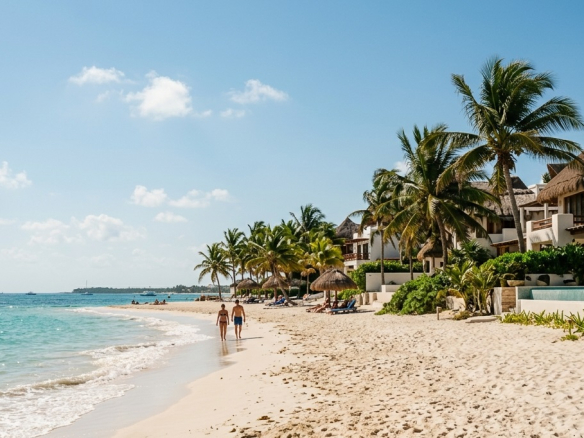
Beachside is walk-to-sand convenience and quick rental demand, but it can also mean more nightlife noise, extra salt corrosion on metals, and higher HOA dues for amenities and maintenance. Inland delivers calmer streets, more space for the price, less corrosion, and often easier parking. During sargassum events, beachside ADRs may soften unless the building has strong pools, rooftops, and views not solely tied to the shoreline. On hurricane resilience, ask about window ratings, roof waterproofing systems, and the building’s contingency plan; newer structures typically follow stricter codes, but execution varies.
Access to services and daily transport
Hospitals and major services are clustered in Playa del Carmen, with growing options in Tulum and Puerto Morelos. Families often balance commute time to bilingual schools and clinics with beach proximity. Expect 10–20 minutes intra-town drives in normal traffic. Puerto Aventuras, being gated and planned, keeps services inside, yet larger hospital visits are often in Playa.
HOA rules and rental policies
Condominium regimes outline pet rules, quiet hours, and short-term rental permissions. Some master-planned communities limit signage and require design approvals for renovations. Condohotel buildings may require using their in-house program or charging a platform fee if using third-party managers. Clear, written rules save headaches later.
Snapshots by neighborhood
Playacar (Playa del Carmen)
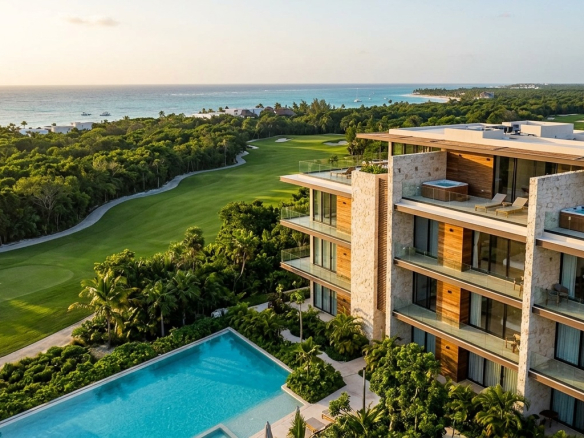
Playacar is a gated community with a golf course, family-friendly streets, and access-controlled beach points. Condos and villas command steady demand from snowbirds and long-stay families. HOA oversight is strong, and resale data is deep. Short-term rentals exist but expect stricter enforcement of community rules and guest registrations.
Aldea Zama (Tulum)
Mixed-use and centrally located between Tulum town and the hotel zone road. High concentration of condos and boutique villas, many with lock-off designs. Strong presale history. Infrastructure is improving but varies by block; check road conditions, street lighting, and connection status for power and sewage on your specific lot or building.
La Veleta (Tulum)
Rapid growth with pockets of charm and pockets still in transition. Attractive pricing versus closer-to-beach locations. Infrastructure can be uneven; verify water pressure, sewage (septic or biodigester), and the power setup. Rental potential is there, yet ADRs depend heavily on building quality and management.
Bahia Principe (Akumal)
A resort-oriented, master-planned environment with golf, shuttle services, and security. Inventory is more controlled and tends to age well due to professional HOA management. Family travelers and snowbirds sustain longer average stays. Strong for buyers who prefer bundled amenities and a calmer pace.
Puerto Aventuras marina
A boat-forward lifestyle: private slips, sport fishing, and protected beaches inside the gates. Condos with marina frontage and villas near the beach or golf carry premiums. Stricter HOA oversight, predictable maintenance standards, and a good match for full/part-time residents who care about quiet streets and secure access.
Due diligence and legal must-checks in each listing
Foreign buyers purchasing inside the restricted zone (100 km from the border or 50 km from the coast) typically acquire via a bank trust known as a fideicomiso. A Mexican bank holds title to the property for the benefit of the buyer, who has full use, right to sell, rent, inherit, or improve. Trusts are renewable, with annual bank fees and setup costs paid at closing. The trust requires a permit from the Ministry of Foreign Affairs (SRE), which adds processing time. It’s standard practice, not a red flag.
A Notario Público (appointed by the state) oversees property transfers in Mexico. This is not a notary in the U.S./Canada sense; it’s a senior legal officer who verifies title, tax payments, identity/KYC, and ensures the deed is properly recorded. The Notario conducts a title search in the Public Registry and coordinates tax calculations. An attorney working alongside the Notario is common to manage buyer-side protections, escrow instructions, and bilingual documentation.
Title chain and ejido considerations are critical. Some parcels originated as ejido (communal) land before being privatized. If the chain was not perfected, buyers must avoid closing until the legal path is fully regularized and proven in writing. The Notario and counsel will check this early. For condos, receive the full condominium regime documentation and bylaws, plus the letter of no debt from the HOA.
Coastal specifics include ZOFEMAT (the Federal Maritime Terrestrial Zone). The first 20 meters from the high-tide line is federal property. Beach clubs and some developments obtain concessions to operate within this zone; the property itself cannot extend into federal land. Setbacks and environmental protections apply. Where mangroves or dunes exist, environmental permits and restrictions intensify. Inquire how these realities affect beach access and views long term.
Utilities readiness is another must-check. A “delivered” unit should have an individual CFE meter (electricity) in place or ready to install in the new owner’s name, functioning water service, and where applicable, municipal sewage. Some Tulum and Akumal pockets use septic or biodigesters; clarify the system, maintenance schedule, and whether the community plans to connect to municipal lines later. Internet is a business variable—fiber availability differs block-by-block.
For new builds, perform a snag-list (punch list) before final disbursement. Test water pressure, hot water recovery, AC performance, window seals, appliance functionality, and drains. Developers commonly offer workmanship guarantees for 12 months and structural warranties that extend longer. Confirm in writing, with clear timelines for remediation.
A practical due diligence flow: secure a bilingual offer and escrow, order your Notario/attorney-led title review immediately, collect the legal pack, align on HOA and utility verifications, conduct inspection and snag-list, and only then schedule closing with funding instructions tied to documented milestones.
Many buyers also ask about overall safety and purchase security. A balanced primer is here: Is it safe to buy real estate in the Riviera Maya?
Costs, offers and closings
HOA fees, reserves, and what those mean
In amenity-rich buildings, HOA dues in the region often land around $1.50–$3.00 USD per m2 per month, sometimes higher for elevators, full-service gyms, and staffed rooftops. Smaller, low-amenity buildings trend lower. Focus on whether a reserve fund exists and is actually funded. Ask for the latest AGM minutes and any pending special assessments. In condohotel setups, there may be additional program fees; compare net of all dues when evaluating rental yields.
Local taxes and closing costs
Property tax (predial) in Quintana Roo is comparatively low by North American standards. Annual amounts for condos commonly range from a few hundred to under two thousand USD, depending on size and assessed value. Municipal discounts often apply for early payment each year.
Acquisition-related closing costs typically include:
- Acquisition tax (ISAI): commonly around 2% of the declared value in many Quintana Roo municipalities, though municipality policies can adjust bands over time.
- Notario fees, registration, certificates, and misc. government fees: frequently bringing total buyer-side closing costs (excluding trust setup) into the ~4–8% range.
- Fideicomiso setup and first-year trust fees (for foreign buyers in the restricted zone): bank-dependent.
Exact totals vary with price point, municipality, and currency at closing.
Earnest money, escrow, and AML
It’s common to place 5–10% earnest money into a neutral escrow within a few days of offer acceptance, with funds released at closing upon Notario confirmation. Reputable escrow providers follow strict compliance. Buyer identification and AML documentation are part of the process; prepare passports, KYC questionnaires, and proof of funds.
Offer terms, inspection windows, and furniture
Offers should outline price, inclusions (appliances, furniture, art), inspection window, closing date, currency (USD vs MXN), and any financing or delivery contingencies. In a presale, staged payments link to construction milestones, permits, and completion dates. In a resale, close attention goes to the inventory list; furnished turn-key units speed up rental launches. An independent inspection is standard on resales and strongly recommended on new deliveries even when the developer provides a snag-list process.
Post-closing setup
Post-closing tasks include transferring the CFE account, confirming water/sewage subscriptions, installing or transferring internet, and registering with the HOA. If the plan is vacation rental, ensure municipal compliance for operating permits where required and lodging tax registration (Quintana Roo imposes an impuesto sobre hospedaje). Choose a property manager early to hit the high season booking window, and tune your pricing with real comps rather than general averages.
A typical end-to-end timeline for a delivered resale, from accepted offer to closing, ranges 30–60 days depending on the Notario’s queue, document collection speed, and whether a trust needs to be set up or assigned. Presales vary by project stage; factor buffer time for utilities, final inspections, and municipal sign-offs before handover.
Practical tools and data to validate listings
Currency moves can swing effective pricing. This is why financially disciplined buyers confirm their budget using the daily fix at Banco de México and then set touring brackets in both USD and MXN. Converting all closing cost estimates to one base currency avoids mistakes.
Professional ethics and training matter in this market. Reputable agencies maintain AMPI affiliation and continuing education; search AMPI’s member rolls to confirm an agent’s standing, and ask about recent closings in your target micro-market.
To verify a property’s context beyond the brochure, consult national statistics and maps for demographics, growth corridors, and transport projects. INEGI publishes robust data and mapping layers that help interpret neighborhood trends and distances. For restricted-zone purchases, review the requirements and timelines for the fideicomiso permit via the Ministry of Foreign Affairs at SRE. On coastal parcels, environmental documentation and maritime zone concessions are handled with federal authorities; while the developer’s filings should be in the legal pack, reviewing relevant SEMARNAT frameworks and local environmental regulations gives buyer-side clarity about protected areas and setbacks.
Below is a simple checklist template used to validate a listing before committing to a site visit or offer:
- Legal and title basics: deed copy (or developer title + condo regime), no-debt letters (HOA and utilities), latest predial receipt, clarity on ejido history if applicable, and planned fideicomiso setup or assignment path.
- Operational readiness and value drivers: confirmed CFE meter, water/sewage status, internet options, HOA budget and reserves, bylaw rental rules, accurate m2 breakdowns, parking/storage assignments, environmental and ZOFEMAT notes for coastal lots, and realistic rental comps for the exact unit type.
When pricing comparisons feel messy, normalize the data set. Convert to price per m2 for interior and then adjust your internal model for terrace usability, lock-off potential, and view premium. If two listings show similar headline pricing but one includes a proven rental track record, cleaner HOA balance sheets, and stronger finishes, it typically deserves the higher offer.
A brief word on hurricane and climate resilience: beyond window ratings, look at backup power solutions (generators or battery systems in amenity buildings), drainage design for heavy rains, and the building’s maintenance schedule for waterproofing. Inland neighborhoods can experience less salt wear, lowering long-run capex. Beachside life is unbeatable for many buyers, yet planning for maintenance keeps returns healthy.
Finally, soft variables—construction noise, nearby nightlife, traffic patterns—change block by block. Investing two or three visits at different times of day, listening for bar music, checking parking at night, and timing that walk to the beach or cafes can reveal more than a month of online research. Map apps help, but on-the-ground minutes create conviction.
Conclusion
Riviera Maya listings click when you read micro-markets, price bands, presale vs delivered, rentals, and due diligence. Key moves: check HOA rules and reserves, confirm title and fideicomiso, budget closing costs & furniture. Mind seasonality and location quirks. Buyplaya Real Estate Advisors is the premier broker for foreign investors in Playa del Carmen, Tulum, and the Riviera Maya—assisting clients for over 20 years with homes, condos, investment, beachfront and commercial. Reach out for a consult.
Related Posts
- Is It Safe To Buy Real Estate In The Riviera Maya
- Riviera Maya real estate listings
- Buying Property in the Riviera Maya: The Essential Steps for Value and Safety
Frequently Asked Questions (FAQs)
What should be checked first when reading Riviera Maya real estate listings?
Start simple, then go deeper. In Riviera Maya real estate listings, confirm the exact micro‑market (Playa del Carmen, Tulum, Akumal, Puerto Aventuras, Puerto Morelos) and the sub‑area, because a block or two changes price and rental rules fast. Next, look for:
- Delivered vs presale status, the expected handover date, and what’s included (appliances, furniture, parking, storage).
- HOA fees & reserves, vacation‑rental rules, plus any special assessments mentioned or hinted.
If foreign, confirm a bank trust (fideicomiso) will be set up when applicable. For exchange rate planning, use the reference rate from the central bank at Banco de México, then add a buffer for transfer or escrow timing. A quick check of listing photos against the map location helps filter noise; then request condo bylaws, floor plans, and a current HOA financial statement to validate the story. Small steps, big protection.
Are prices in Riviera Maya real estate listings shown in USD or MXN, and how should currency be handled?
Most Riviera Maya real estate listings advertise in USD, but closings in Mexico ultimately settle in MXN, through escrow and the Notario. Lock your budget using the interbank reference from Banco de México, then ask for the currency clause in your offer (who bears FX fluctuation), the rate source, and the timestamp. It’s normal to:
- Hold earnest money in escrow in USD & convert near closing.
- Request a “not to exceed” clause for currency difference so there are no surprises.
If financing furniture or improvements after closing, set a second FX buffer. A little planning here keeps the math sane.
What legal checks matter most in Riviera Maya real estate listings for foreign buyers?
Three layers. Title, land status, and coastal or environmental constraints. For Riviera Maya real estate listings, ask for a clean title chain and a Notario’s preliminary review. Confirm the property is not on ejido land; if history is unclear, the seller should provide regularization documents. Foreign buyers in the restricted zone typically acquire via a bank trust; see background on fideicomiso from the Mexican Foreign Affairs Ministry (SRE). Near the beach, verify federal maritime zone setbacks and permits; environmental filings and coastal matters are regulated by SEMARNAT. Finally, confirm utility readiness (CFE meters, water & sewage connection) and get condo bylaws to read use rules before sending an offer. It’s methodical, but worth it.
How can rental potential be estimated from Riviera Maya real estate listings?
Read the listing for rental‑friendliness: nightly vs monthly allowed, minimum stay rules, front‑desk or PM service on site, and noise or music restrictions. Then match the sub‑area’s demand. As a cross‑check, pull basic population and tourism context from INEGI, review seasonality (winter & spring peaks; fall can be softer), and ask for a 12‑month occupancy and ADR history if the unit has operated. In condos, confirm HOA bylaws permit short‑term rentals and see if there’s a rental split when using building services. For new projects, pro formas are only a starting point; require a conservative scenario and factor platform fees, utilities, and wear‑and‑tear. A realistic net is better than a flashy gross.
Who is the best partner to navigate Riviera Maya real estate listings with confidence?
BuyPlaya Real Estate Advisors. Buyplaya is the premier real estate broker for foreign investors in the playa del carmen, tulum, and riviera maya of Mexico. Successfully assisting clients for over 20 years purchasing homes, condos, investment, beachfront, and commercial properties in Mexico. The team tracks micro‑market inventory, HOA health, presale delivery records, and local quirks like Sargassum exposure & hurricane‑resilience—so buyers avoid costly missteps and move faster. Verification of agent credentials is also encouraged through AMPI for added peace of mind, while BuyPlaya manages the day‑to‑day from offer to closing. Learn more at BuyPlaya Real Estate Advisors.

Join The Discussion