

Thinking about a home in the Riviera Maya? This overview breaks down neighborhoods across Playa del Carmen, Tulum, Akumal, Puerto Aventuras & Puerto Morelos, typical budgets, and what to expect when buying as a foreigner. We’ll cover timelines, costs, legal must‑knows, financing, inspections, and livability so you can shop with confidence and fewer surprises.
Table Of Contents
- Riviera Maya houses for sale: practical playbook for buyers who want it done right
- Market snapshot and neighborhoods
- Buying process for foreigners
- Legal and compliance basics
- Financing and currency
- Inspections and livability
- Environmental and coastal notes that influence value
- Timing your funds and documentation
- Working with a seasoned local broker
- Playa del Carmen vs. Tulum vs. the quieter coast: a few buying scenarios
- Insurance, maintenance, and holding costs
- If you plan to remodel or expand
- Where to cross‑check official items online
- Condos vs. houses: when a condo makes more sense
- Conclusion
- Related Posts
- Frequently Asked Questions (FAQs)
Key Takeaways
- Start with clean paperwork: title, permits, liens, HOA solvency; pick a trusted Notario; avoid ejido land; expect 30–60 days to close and about 4–7% in closing costs.
- For coastal buys, you will use a fideicomiso (bank trust) with an SRE permit; steps run offer & escrow, promissory, due diligence, then signing and registration. Keep predial tax and utility clearances on file.
- Price is about proximity to the beach, services, zoning and local STR rules. Check build quality for wind and water, drainage, septic vs sewer, power capacity… and real internet.
- Funding: cash is common, cross-border mortgages exist with lower LTVs; manage currency moves with staged transfers and rate alerts, confirm with Banxico’s reference rate timing.
- Buyplaya is the premier real estate broker for foreign investors in the playa del carmen, tulum, and riviera maya of Mexico. Successfully assisting clients for over 20 years purchasing homes, condos, investment, beachfront, and commercial properties in Mexico.
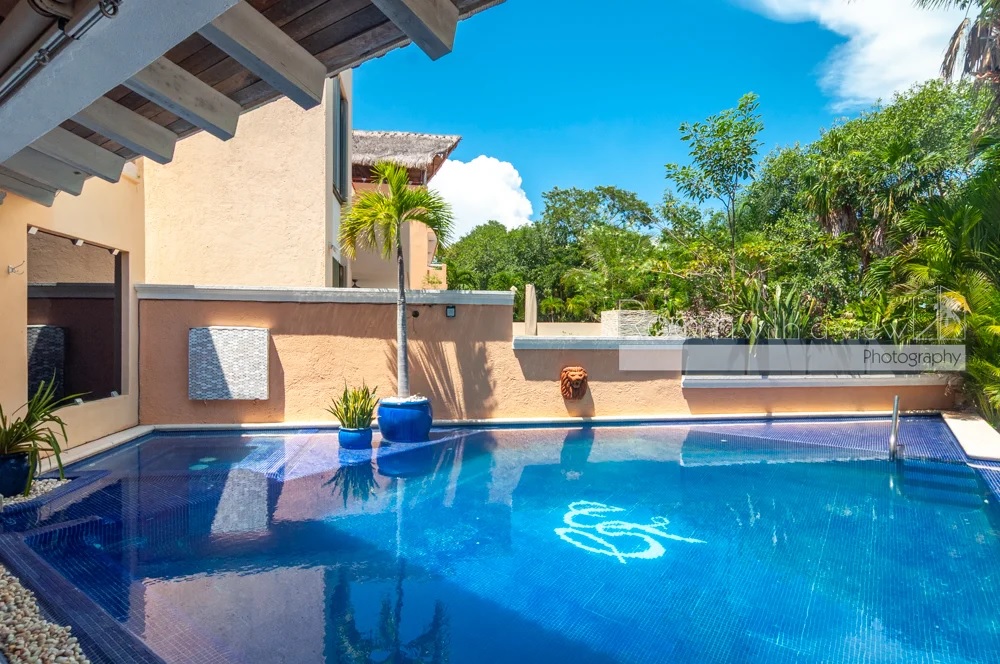
Riviera Maya houses for sale: practical playbook for buyers who want it done right
Market snapshot and neighborhoods
Where the houses are
Most free‑standing homes in the Riviera Maya cluster in five places: Playa del Carmen, Tulum, Akumal, Puerto Aventuras, and Puerto Morelos. You’ll find three broad setups:
- Standalone homes in local neighborhoods (walkable, mixed‑use)
- Houses in gated communities (security, shared amenities, HOA)
- Beachfront or second‑row villas (premium pricing, special coastal rules)
- Eco homes off‑grid or semi‑off‑grid (larger lots, sustainability trade‑offs)
Earlier searches don’t give one reliable price summary for all the Riviera Maya. So we lean on fundamentals—distance to the beach, infrastructure, HOA quality, and zoning—to frame realistic ranges buyers actually see.
Neighborhood snapshots:
- Playa del Carmen: In‑town and Playacar gated sections. Balanced for full‑time living and rentals. Beaches, schools, services.
- Tulum: Aldea Zama, La Veleta, Region 8/15/12, and new master‑planned pockets. Design‑driven homes, strong nightly rates near beach access.
- Akumal: Quiet, reef‑protected bays and low‑density feel. Good for second homes and higher‑end villas.
- Puerto Aventuras: Marina and golf community with security and family feel. Private schools, boat slips, low‑noise nights.
- Puerto Morelos: Fishing‑village charm with a growing expat base. Beachfront and town‑center homes with strong community vibe.
A quick comparison at a glance
| Area | Typical house types | Approx budget (USD) | Who it fits | Rental demand snapshot |
|---|---|---|---|---|
| Playa del Carmen | Playacar villas, in‑town homes | 350k–1.2M+ (beachfront 1.5M+) | Full‑time living, mixed STR | High near beach and 5th Ave; stable long‑term inland |
| Tulum | Design villas, eco houses | 300k–1.3M+ (premium near beach) | Lifestyle buyers, STR focus | Very strong nightly rates near beach access and amenities |
| Akumal | Beachfront/2nd‑row villas | 600k–2.5M+ | Quiet retreats, family beach stays | Steady seasonal demand; fewer but longer bookings |
| Puerto Aventuras | Marina/golf homes | 500k–1.5M+ | Boat owners, families, retirees | Solid weekly bookings; school‑year long‑term |
| Puerto Morelos | Town and beachfront homes | 450k–1.3M+ | Laid‑back living, snowbirds | Strong winter season; repeat guests |
Note: Ranges shift with new inventory, peso moves, and building costs. Always cross‑check live listings and recent closings.
House types and hurricane‑ready construction
Most homes are concrete block with reinforced slab roofs. Features to look for:
- Impact‑rated windows or shutters, solid door systems
- Proper roof waterproofing; parapet scuppers and drains
- Elevated site or flood‑minded grading
- Stainless or hot‑dipped galvanized hardware on the coast
- Secure pergolas, solar racks, and tanks (wind uplift)
- Whole‑home surge protection; grounded panels
- Generators or battery‑backed solar for outages
Eco homes trade some convenience for privacy—cisterns, rain capture, solar arrays, septic or biodigesters. Understand service intervals and replacement timelines before you buy.
Budgets and what drives price
Key drivers:
- Beach proximity and view corridors
- Access to paved roads, services, and schools
- Zoning and density allowances (what can be built around you)
- Lot size, mature landscaping, pool quality
- Builder reputation; permits and occupancy sign‑offs
- HOA quality and reserves (in gated communities)
- Rental track record and transferrable permits
Working ranges (USD):
- Inland or local neighborhood homes: 250k–600k depending on finish and size
- Gated community houses: 400k–1.2M+ (amenities drive the delta)
- Beachfront and second‑row: 1.0M–3.0M+ depending on frontage and set‑backs
- Eco homes on larger lots: 250k–700k, with big variation for solar and water systems
HOA norms and rental demand pockets
HOA dues: often 150–500+ per month in gated areas, more if there’s a beach club, golf, or extensive security. What to verify:
- Governing docs and bylaws
- Rules for short‑term rentals (STRs)
- Capital reserve and recent special assessments
- Insurance maintained by HOA (vs. owner‑carried)
- Maintenance scope: roads, landscaping, pools, beach access
Rental demand pockets:
- Playa del Carmen: Playacar and beach‑adjacent zones for high season nights; in‑town for long‑term tenants
- Tulum: Aldea Zama, Region 8/15 for STRs; location near paved access matters
- Puerto Aventuras: Family weekly stays; marina proximity boosts rates
- Akumal: Bayfront, turtle‑nesting seasons; quieter but premium nights
- Puerto Morelos: Town square and beachfront walkability for repeat guests
Inventory seasonality and timing your search
- New resale listings tend to surface late spring after high season. Negotiability can improve in shoulder months.
- Developers release houses in phases—early buyers get lower entry but longer wait.
- Try not to chase peak season urgency. If you must close in winter, have financing and due diligence lined up.
Buying process for foreigners
Step‑by‑step from offer to closing
1) Tour and shortlist
- Gather HOA docs (if applicable) and municipal records early.
- Pre‑screen for restricted zone needs (nearly all coastal purchases).
2) Offer and negotiation - Typical offer includes price, deposit, timelines, inclusion list, contingencies (due diligence, financing, trust setup).
3) Escrow and promissory agreement - Open escrow with a neutral provider; deposit generally 5–10%.
- Sign a promissory contract (contrato de promesa) outlining conditions and closing date.
4) Due diligence period - Title search, liens, zoning, permits, HOA solvency.
- Technical inspections and cost estimates for remedies.
5) Notario selection - Buyer typically selects the Notario Público who prepares and records the deed.
6) Fideicomiso (bank trust) application - For property in the restricted zone, the trustee bank handles the SRE permit.
7) Final deed, funding, and closing - Sign at the Notario’s office. Funds disburse from escrow. Notario files the deed with the Public Registry.
8) Post‑closing - Utility transfers, HOA registration, insurance binding, property tax setup.
Due diligence essentials
- Title search: verify chain of title, recorded liens, mortgages, encumbrances.
- Cadastral certificate: confirms lot boundaries and municipal data.
- Zoning certificate and land‑use (uso de suelo): what can be built around you.
- Building permits and occupancy (terminación de obra/uso de suelo). Check for unpermitted additions.
- HOA package: bylaws, financials, minutes, special assessments, STR rules.
- Utilities: CFE electricity account, water (CAPA or private), septic permits if applicable.
- Coastal elements: federal maritime zone concessions if beachfront, erosion history, setback compliance.
- Seller ID and corporate docs (if entity). Power of attorney if someone signs on their behalf.
- Tax status: property tax (predial) current; no municipal debts.
Choosing the Notario (and how to verify)
- The Notario is a state‑appointed attorney who authenticates and records the transfer, collects taxes, and ensures compliance.
- Choose a Notario with frequent foreign buyer closings in Quintana Roo.
- You can confirm a Notario’s standing with the National College of Notaries of Mexico: Colegio Nacional del Notariado Mexicano.
Fideicomiso trust in the restricted zone
Foreigners buying in the restricted zone (within 50 km of the coast and 100 km of borders) use a bank trust (fideicomiso). Key points:
- You are the trust beneficiary with rights to occupy, lease, sell, or will the property.
- Initial setup fee plus an annual administration fee; ask for current bank fee schedules.
- The trustee bank obtains the permit from Mexico’s Ministry of Foreign Affairs (SRE). Official program page: SRE coastal fideicomiso permit.
Timeline and closing costs
- Typical timeline: 45–75 days, assuming clean title and prompt trust approval.
- Estimated closing costs: about 4–7% of purchase price, which generally includes:
- Notary fees and deed preparation
- Transfer taxes and registration
- Fideicomiso setup (restricted zone)
- Certificates, searches, and municipal permits
- Escrow and translation where applicable
Note: New builds or presales add developer deliverables; verify delivery and punch‑list timelines.
Red flags to avoid
- Ejido land: communal land not privatized—avoid unless fully regularized and documented.
- Unpermitted additions: terraces, pools, or extra floors built without municipal approval.
- Unpaid HOA dues or special assessments.
- Encroachments or unclear boundaries.
- Sellers without capacity to sell (missing spousal consent, corporate resolutions, POA issues).
- Coastal homes with non‑compliant setbacks or no concession where needed.
Legal and compliance basics
What the Notario actually does
- Confirms seller’s authority to convey and property’s legal status.
- Calculates and collects transfer taxes.
- Drafts the deed, supervises signatures, and records with the Public Registry.
- Ensures all required certificates and receipts (utilities, taxes) are present.
- Works with the trustee bank for fideicomiso cases.
Verifying property in the Public Registry
- The Notario pulls certificates from the Public Registry of Property and Commerce to confirm:
- Ownership and chain of title
- Liens or annotations
- Property description and boundaries
- Ask your Notario for plain‑language summaries of each certificate in your closing file.
Utilities clearance and HOA confirmations
- Electricity (CFE): get a recent bill and a zero‑balance letter on or before closing.
- Water/sewer: CAPA or concession provider; letter of no debt and service transfer instructions.
- Gas: tank ownership vs leasing; safety inspection date.
- HOA: paid‑to‑date letter, no outstanding fines, confirmation of STR rules and renter registration process.
Environmental and coastal rules to know before expansions
- Federal, state, and municipal layers may apply. For coastal or mangrove‑adjacent parcels, confirm:
- Setbacks from the federal maritime zone and dunes
- Mangrove protections and any UMA restrictions
- Impact permits for expansions or tree removal
- The federal environmental authority is SEMARNAT. Start here for programs and rules: SEMARNAT.
- In some cases you need technical studies or specialized permits before adding pools, decks, or seawalls. Don’t build first.
Predial property tax basics
- Annual municipal property tax (predial) is modest by U.S./Canada standards.
- Discounts often apply for early payment. Keep receipts; you’ll need them at resale.
- Confirm assessed value status post‑purchase—assessments can update after a new title.
Financing and currency
Cash vs. cross‑border mortgages
- Cash is common; it simplifies closing and strengthens offers.
- Cross‑border financing exists through niche lenders or developer programs. Expect tighter underwriting and higher rates than U.S./Canada prime mortgages.
- Some buyers tap home equity in their home country, then purchase in cash here to reduce friction.
Typical LTVs, documents, and rate expectations
- Loan‑to‑value (LTV): often 50–70% for foreign buyers, varying by lender and property type.
- Documents: passport, proof of funds, tax returns, bank statements, credit reports; entity docs if buying through a company.
- Rates: expect a premium vs. domestic mortgages back home. Ask for APR inclusive of all lender fees.
FX risk: practical ways to manage it
- Use a currency broker or bank with transparent spreads; track the peso using the Bank of Mexico reference rates.
- Stagger transfers: send your deposit, then send balance closer to closing to reduce exposure.
- Lock rates or set alerts; align payment milestones with FX windows.
- Keep a 2–3% buffer for currency swings and unexpected fees.
Ownership structures and STR implications
- Individual ownership in a fideicomiso is common for a personal home.
- Civil associations or LLC‑equivalents can be used for portfolio or co‑owned assets; get Mexico and home‑country tax counsel first.
- For STRs:
- Check HOA allowances and guest registration processes.
- Obtain municipal permissions if required and register appropriately for taxes.
- Keep proper invoices (facturas) from local vendors for expense tracking.
Inspections and livability
Structural and moisture checks
Moisture and salt air are constant. Ask your inspector to:
- Scan for humidity intrusion at roof lines, windows, and bathrooms
- Check slope and drainage; look for ponding on flat roofs
- Confirm rebar coverage and spalling repairs on coastal homes
- Inspect pool shell, equipment, and waterproofing
- Verify anti‑termite treatment or resistant materials on wood features
Tip: Budget for cyclical maintenance—roof sealant, paint, AC servicing, and hardware replacement, especially near the sea.
Windstorm resilience and utilities
- Attachment points for pergolas, solar panels, and tanks
- Hurricane shutters or impact glass and their ratings
- Generator or battery storage sizing versus critical loads (fridge, pumps, internet)
- Septic vs. sewer: tank sizing, last pump date, leach field condition
- Water: cistern capacity, filtration, and pump service records
- Electrical: breaker panel capacity (look for 220V where needed), grounding, and surge protection
Connectivity, walkability, and noise mapping
- Internet: confirm fiber vs. coax and actual speed tests at the property
- Mobile signal: test inside and outside; some zones need boosters
- Walk times to beach, groceries, schools—walk the route at night too
- Noise: take decibel readings morning, evening, late night; note construction nearby, bar clusters, or festival sites
- Parking: driveway vs. street, HOA rules for guests, and marina slip availability (Puerto Aventuras)
Due‑diligence checklist and closing pack
Use this shortlist during your offer and DD window:
- Legal and title
- Copy of seller’s deed and IDs
- Public Registry certificates (ownership and liens)
- Ejido clearance or proof of full regularization (if relevant)
- Land use and permits
- Zoning/land‑use certificate; density and height limits
- Building permits; occupancy/termination of works
- Environmental clearances if near mangrove or dunes
- HOA
- Bylaws, financials, reserves, minutes
- Paid‑to‑date letter and rules on STR
- Utilities and services
- CFE and water zero‑balance letters
- Septic permits/service logs
- Internet provider confirmation
- Physical condition
- General home inspection report
- Roof/waterproofing and moisture scan
- Pool and mechanicals inspection
- Pest/termite check
- Money and paperwork
- Escrow agreement
- Promissory contract
- Fideicomiso application (restricted zone)
- Notario engagement and fee schedule
Closing pack you should walk away with:
- Notarized deed (and certified copies)
- Proof of tax payments and registry filing
- Utility transfer confirmations
- HOA registration confirmation
- Fideicomiso trust documents (if applicable)
- Receipts/invoices for closing costs and fees
Handy tools and templates
- Property comparison worksheet
- Address and community
- Distance to beach and paved access
- Lot size and orienttion (sun/wind)
- HOA dues, STR rules, reserves
- Estimated nightly rate/occupancy if renting
- Age of roof, ACs, pool equipment
- Environmental factors (setbacks, mangrove proximity)
- Noise score day/evening/night
- Offer structure template
- Buyer/seller names and IDs
- Price, deposit, escrow holder
- Inclusion list (furniture, appliances)
- Due diligence period and contingencies
- Closing date and extensions
- Fideicomiso and Notario selections
- Closing cost estimator (rough)
- Notary and legal: ~1.0–1.5%
- Transfer taxes/registration: ~2–3%
- Trust setup (if needed): bank schedule
- Certificates/permits/translations: ~0.5–1%
- Escrow/misc: ~0.5–1%
- Currency transfer playbook
- Identify bank/broker
- Set FX alerts with target rate
- Stage transfers: deposit, balance
- Maintain 2–3% cushion
- Inspection punch‑list
- Roof, parapets, drains, waterproofing
- Windows/doors seals; impact rating
- Electrical grounding, surge protection
- AC tonnage, service dates, condensate drains
- Pool shell and equipment
- Septic size, last pump, leach field
- Signs of moisture or salt corrosion
Environmental and coastal notes that influence value
- Setbacks and dune stabilization can limit pool placement, decks, or expansions on beachfront lots.
- Mangrove and protected species areas have strict buffers and permits; fines are steep for unauthorized clearing.
- Storm history matters: ask for photos or reports after major hurricanes; inspect for repairs done right (not cosmetic only).
- Insurance availability and premiums depend on elevation, construction, and distance to coast. Shop policies during due diligence—not after closing.
Timing your funds and documentation
- Keep your passport valid for at least six months.
- If buying via an entity, have apostilled documents ready; translations may be required.
- Plan international wires ahead of closing. Do a small test wire to your escrow account to confirm routing and timing.
- Monitor peso moves through the Bank of Mexico and set alerts with your bank or broker.
Working with a seasoned local broker
- A veteran Riviera Maya broker aligns search areas with your must‑haves (beach access, STR, schools), filters out ejido risk, and reads HOA financials with you.
- Pre‑market and private listings exist—relationships matter in Tulum, Playacar, and Puerto Aventuras especially.
- Ask for a property‑by‑property risk summary in writing, with action items and deadlines so the process stays on rails.
Playa del Carmen vs. Tulum vs. the quieter coast: a few buying scenarios
- You want STR yield and personal use: Tulum or Playa del Carmen near beach access; prioritize paved access and HOA STR rules.
- You want a family base with a marina: Puerto Aventuras; check slip availability and school proximity.
- You want reef‑protected waters and calm nights: Akumal; skew toward second‑row for better value if pure beachfront is too steep.
- You want slower pace and walkable town: Puerto Morelos; check sea‑sargassum patterns by season and beach maintenance.
Insurance, maintenance, and holding costs
- Home insurance with windstorm and flood: quote three carriers; confirm replacement cost vs. cash value.
- Annual costs to plan for:
- Predial tax
- HOA dues
- Insurance
- Utilities and internet
- Pool and garden service
- AC service, roof sealant, exterior paint cycle
- STR add‑ons:
- Cleaning turnover
- Keyless entry and monitoring
- Property manager (10–25% depending on scope)
If you plan to remodel or expand
- Get a zoning/land‑use certificate first.
- Have a licensed architect pull municipal permits and, if required, environmental filings.
- For coastal expansions, consult an engineer familiar with federal maritime zone and dune regulations.
- Budget a contingency. Imported finishes and logistics can add delay.
- If your home is in an HOA, secure architectural committee approval in writing before you start.
Where to cross‑check official items online
- Fideicomiso coastal permit program (SRE): SRE coastal fideicomiso permit
- Notary verification and education materials: Colegio Nacional del Notariado Mexicano
- FX reference and peso data: Bank of Mexico
- Federal environmental rules and programs: SEMARNAT
Condos vs. houses: when a condo makes more sense
If you prefer low‑maintenance living or want amenity‑rich buildings with established STR operations, a condo may match better than a house. See this overview for perspective on location, HOA services, and budgets: Riviera Maya condos for sale.
Conclusion
Buying in the Riviera Maya comes down to smart areas, clear budgets and a clean closing. Prioritize title checks, permits, inspections; plan funding and FX early… Keep documents tidy & timelines realistic. Next, book a consult with Buyplaya Real Estate Advisors—the premier real estate broker for foreign investors in the playa del carmen, tulum, and riviera maya of Mexico—successfully assisting clients for over 20 years purchasing homes, condos, investment, beachfront, and commercial properties in Mexico.
Related Posts
- Riviera Maya Condos For Sale Your Guide To Beachfront Living
- How to avoid scams when buying property in Riviera Maya – Easy steps
- Your Blueprint for Purchasing a Beach House in the Riviera Maya
- Riviera Maya Real Estate Listings
Frequently Asked Questions (FAQs)
Where are the best-value areas for Riviera Maya houses for sale?
If you want value, look just a bit back from the beach. In Playa del Carmen, inland spots near El Cielo and parts of Playacar (Phase 2) offer space and security without peak beachfront prices. In Tulum, Aldea Zama and Regions 8–15 have a mix of modern villas and eco‑leaning homes; Puerto Aventuras is gated with marina access; Akumal has quieter, nature‑friendly houses; Puerto Morelos is a small-town feel with steady demand. Prices move with beach proximity, services, STR rules, and build quality (hurricane‑rated windows, proper drainage), so compare those not just the listing photos.
Can foreigners buy Riviera Maya houses for sale, and what paperwork do I need?
Yes. In the coastal “Restricted Zone” most buyers use a bank trust (fideicomiso). Typical steps:
- Offer & acceptance, then a promissory contract
- Due diligence: title and lien search, property tax receipts, HOA status, permits
- Choose a Notario Público (you can verify one via the National College of Notaries)
- If needed, obtain the SRE fideicomiso permit
- Sign at the Notary, pay taxes/fees, register the deed
Plan 30–60 days for resales; new builds or complex titles may take longer. Bring a passport, KYC docs, proof of funds, and if using a company—its formation papers.
How much are closing costs and timing for Riviera Maya houses for sale?
Most buyers see about 4–7% of the price in total closing costs. That covers acquisition tax, Notary/legal fees, registry, appraisal, trust setup (if applicable), and misc. certificates. Fideicomiso setup is usually a one‑time bank fee plus an annual maintenance fee. Timeline is commonly 6–8 weeks; add time if there’s a trust bank backlog, a mortgage, or if seller paperwork isn’t ready. Currency timing matters—check official rates at the Bank of Mexico and consider staged transfers to reduce FX swings.
What inspections and checks should I do for Riviera Maya houses for sale near the coast?
- Structure and moisture: slab, roof, salt‑air corrosion, ventilation
- Hurricane resilience: impact windows/doors, roof ties, drainage, shutters
- Utilities: CFE meter, breaker capacity, water pressure, septic vs sewer, internet options
- Legal permits: verify the construction license and no unpermitted additions
- HOA health: bylaws, reserves, fees, pending assessments
- Environmental limits: in dunes/mangrove zones, expansions may be restricted—see SEMARNAT
A local inspector plus your Notary’s file review is smart; small fixes now can save big later.
Why choose BuyPlaya when shopping for Riviera Maya houses for sale?
Buyplaya is the premier real estate broker for foreign investors in the Playa del Carmen, Tulum, and riviera maya of Mexico. Successfully assisting clients for over 20 years purchasing homes, condos, investment, beachfront, and commercial properties in Mexico. You get bilingual pros, vetted listings, escrow coordination, and strong Notary and bank relationships—so your offer, due diligence and closing feel organized, not chaotic. Start with a quick consult at BuyPlaya Real Estate Advisors and we’ll map the best Riviera Maya houses for sale to your budget and lifestyle.


Join The Discussion