
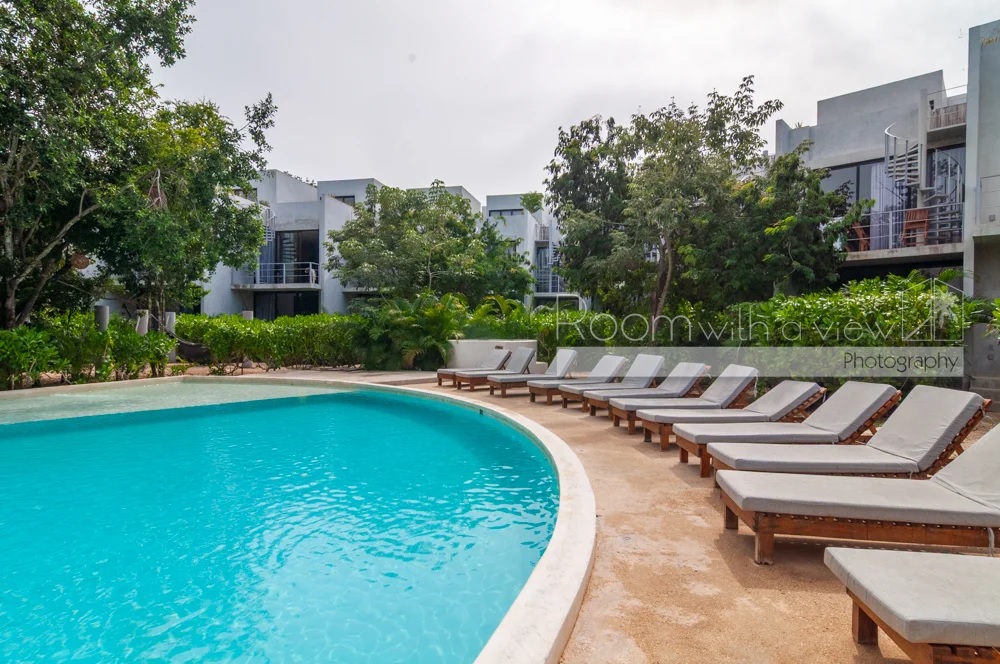
Thinking about a beach-adjacent home in Tulum? With over 20 years of local market insight, this overview cuts through buzz and focuses on neighborhoods, pricing, due diligence, and what truly drives rental returns. Expect clear steps, practical checklists, and honest talk on hurricane readiness, HOA costs, fideicomiso, and seasonal factors that shape value & livability.
Table Of Contents
- Beach‑prox areas to target for “condo near the beach Tulum for sale”
- Market snapshot 2025 for beach‑adjacent Tulum condos
- Rental income and holding costs
- How to buy safely in the restricted zone
- Data checks and local regulations that anchor expectations
- Shortlist template and site visit strategy
- Comparing the three prime beach‑prox zones in practice
- Amenities that consistently pay their way
- Financing, currency, and taxes
- Practical timelines and pre‑closing walk‑throughs
- Post‑closing setup for rentals
- When a resale beats a presale
- Working with a Riviera Maya broker experienced with foreign buyers
- Final checks that protect value
- Conclusion
- Related Posts
- Frequently Asked Questions (FAQs)
Key Takeaways
- Location first: Hotel Zone is closest yet scarce parking; Aldea Zama is bike‑friendly and about 8–12 minutes to the sand; Region 8 and north La Veleta keep improving as roads and services expand.
- 2025 numbers that matter: 1BR preconstruction ~US$180k–260k; 2BR move‑in‑ready ~US$260k–420k; prime builds ~US$2,500–3,800 per m²; HOAs ~US$180–450/mo, add hurricane insurance and a fair sinking fund.
- Build features + utilities: hurricane‑rated windows, solid water pressure, elevator records, cross‑ventilation, dehumidifiers; verify CFE meter and on‑site water treatment before closing. Little things save headaches later.
- Rentals and costs: high season Dec–Apr, shoulder May–Aug; use AirDNA for ADR and occupancy; well‑run units can gross ~5–9% before HOA & management; plan for fideicomiso ~US$500–800/yr, predial, cleaning, and insurance.
- Expert help: BuyPlaya Real Estate Advisors is the premier broker for foreign investors in Playa del Carmen, Tulum and the Riviera Maya—successfully assisting clients for 20+ years with homes, condos, investment, beachfront & commercial properties in Mexico.
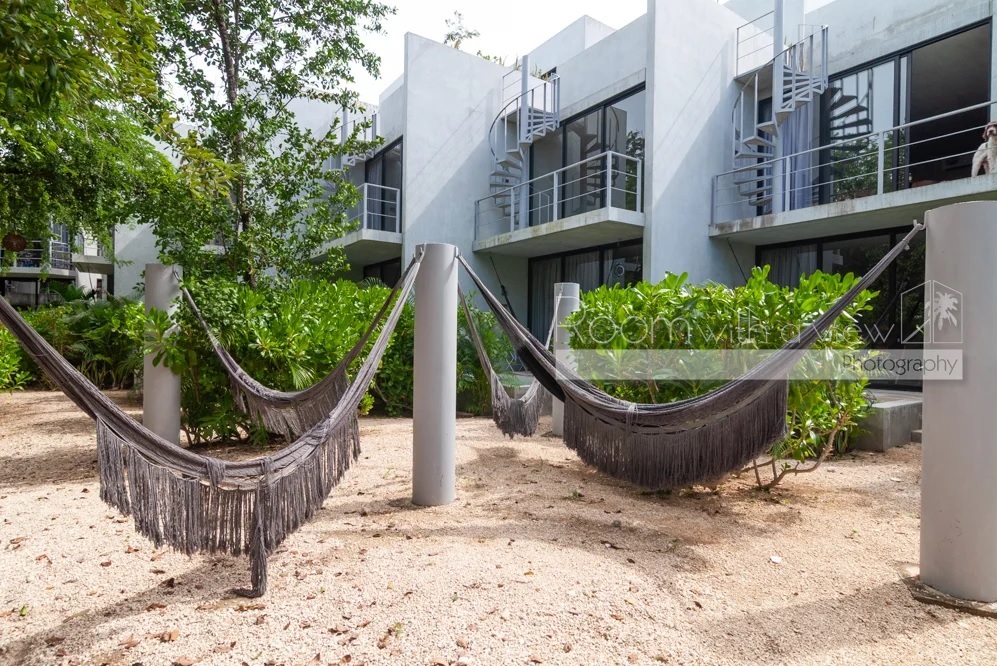
Beach‑prox areas to target for “condo near the beach Tulum for sale”
Hotel Zone (limited inventory, tight parking and dune protections)
The Hotel Zone runs along Tulum’s coastal road from the ruins south toward the Sian Ka’an reserve. Condo inventory is limited because of protected dunes, mangroves, and strict height rules. Where a few legal condo regimes do exist, they tend to be boutique, often with beach access across the road or via private walkways. Expect scarce on‑site parking and narrow roadways. Ride-share and e-bikes are common for a reason.
What makes the Hotel Zone compelling is contact with the beach and quick access to beach clubs, restaurants, and wellness spots. The flip side is cost and logistics. Deliveries, maintenance and hurricane prep are more complex, and sargassum season can change beach use week by week. Buyers looking here generally prioritize lifestyle value and view the rental calendar as a bonus, not the core thesis.
Watch for:
- Dune protection setbacks and any environmental restrictions on exterior changes.
- Impact-rated glazing and corrosion‑resistant hardware. Salt air is tough on everything.
- Generator readiness, or at minimum battery backup for water pressure systems.
Aldea Zama (bike lanes, 8–12 min to beach clubs)
Aldea Zama sits between downtown Tulum and the beach road, with paved streets, bike lanes and a tidy master plan that keeps utilities underground. From mid‑Aldea Zama it’s typically 8–12 minutes by bike to several beach club access points. Inventory runs from studios to large penthouses with rooftops and plunge pools. Many buildings offer elevators, reception, and full‑time security.
Buyers choose Aldea Zama for smoother ownership: better drainage, easier access for service providers, and a more predictable HOA structure than ad‑hoc zones. It’s not “on the sand,” but for condo near the beach Tulum for sale searches, Aldea Zama hits a sweet spot of mobility and cost control. Parking is more manageable than the Hotel Zone; still, confirm deeded stalls and guest options before committing.
Important build features here include:
- Proper ventilation and dehumidification; damp control is everything on ground and lower floors.
- Roof waterproofing warranty and elevator maintenance schedules spelled out in HOA minutes.
- Solar pre‑wire or at least conduit to add later; it pays off with Mexico’s sun and CFE tariffs.
Region 8 and the north edge of La Veleta via Av. Kukulkan (new paving, mixed-use vibe)
As Av. Kukulkan paving and services improve, the north edge of La Veleta and Region 8 have become serious options for beach‑prox condos. The vibe is more mixed‑use: boutique hotels, cafés and small retail blended with new residential. Expect diverse product—some projects feature thoughtful cross‑ventilation and courtyards; others focus on rooftop amenities and rental‑forward layouts.
Proximity to the beach depends on where along Kukulkan you land, and last‑mile conditions change as paving and drainage expand. This is where vetting developers and permits matters most. Ask for the condo regime filing, the MIA (environmental authorization) where applicable, and proof of service capacity. Those who want a modern feel at a lower price per square meter than the Hotel Zone often find it here.
Construction and maintenance details that matter near the beach
Hurricane‑rated windows: Look for impact‑rated glazing and proper anchoring. It protects against windborne debris and reduces noise.
Water pressure: Many low‑rise buildings rely on rooftop tanks, pressure pumps and backup generators. Confirm pump sizing and whether pressure holds on upper floors when occupancy is high.
Elevator maintenance: In salt‑air zones, proactive servicing is key. Ask for the service contract, last inspection dates, and the HOA’s sinking fund balance dedicated to elevator work.
Sargassum season: From spring through early fall, seaweed can impact beach use, visibility and, at times, rental demand on the coast. Not every day is affected, but expectations should reflect reality. Rooftop pools, cold‑plunge tubs, and shaded courtyards help keep guest satisfaction high when beach days are off.
Market snapshot 2025 for beach‑adjacent Tulum condos
Pricing is influenced by finish quality, developer pedigree, HOA strength, and real proximity to the beach rather than “as the crow flies.” For 2025, most beach‑prox acquisitions in the core zones above fall into these bands:
| Segment | Typical range (USD) | Notes |
|---|---|---|
| 1BR pre‑construction | $180,000–$260,000 | Payment plans common; choose developers with delivered projects and audited HOAs. |
| 2BR move‑in‑ready | $260,000–$420,000 | Premium for turnkey, elevator buildings and strong rental history. |
| Prime price per m² | $2,500–$3,800 | Driven by closeness to beach access, finishes, airflow, and amenities. |
| HOA (monthly) | $180–$450 | Larger amenities and elevators push fees higher; check reserve funding. |
What drives price per square meter near the beach
- Micro‑location: Walk or bike time to specific beach access points and clubs, not just “distance to coast.”
- Sun orientation and airflow: East/northeast exposure helps with cooling. Cross‑ventilation reduces humidity and AC costs.
- Build quality: Reinforced concrete, anti‑corrosion coatings, sealed parapets, quality waterproofing on rooftops.
- Maintenance plan: A clear schedule for elevators, water systems and pools protects value and keeps rentals humming.
HOA fees and amenities that move the needle
HOA dues track with complexity. Elevators, rooftops with wet bars, staffed lobbies, and multiple pools mean higher overhead—and better rental demand if well managed. Amenities that consistently add value in Tulum include rooftop pools with shaded lounges, dehumidifiers or whole‑home fresh‑air systems, solar pre‑wire, secure storage cages, and on‑site security around the clock. A well‑designed ventilation strategy is often more important than a second plunge pool.
Rental income and holding costs
Seasonality and booking patterns
High season stretches from December through April; demand spikes for holidays and spring break. May through August is a shoulder period with solid weekend traffic and longer stays by digital workers. September to early November can soften, with price sensitivity and shorter lead times. Coastal sargassum swings add variability, so projects with strong common areas, co‑working, and quality gyms lower off‑season risk.
Benchmark ADR and occupancy with data
To calibrate projections, use AirDNA at the neighborhood level. Pull ADR and occupancy for Aldea Zama and the Hotel Zone separately and compare comp sets by bedroom count, amenities, and review scores. Note that pro management often outperforms self‑management on occupancy because of dynamic pricing and channel sync.
With professional managers, gross rental yields typically land around 5–9% for beach‑prox condos in Tulum, depending on calendar management, building reputation, and how “turnkey” the unit is on day one. Crisp photography, smart locks, and prompt response times matter as much as location.
Typical holding costs to budget
Fideicomiso bank fee: For foreign owners within the restricted zone, expect roughly US$500–800 per year for the bank trust.
Property tax (predial): Low compared with the U.S. and Canada, but budget annually and verify with your Notario Público at closing.
Insurance: Policies with hurricane/wind coverage are advised. Factor in contents coverage for furnished rentals.
HOA dues: Often US$180–450 per month in the zones above; elevators, pools and 24/7 security are the main cost drivers. Ask for last year’s operating budget and reserve study.
Sinking fund and elevator servicing: Healthy reserves reduce special assessments. Ask about recent elevator overhauls and pump replacements.
Utilities and management: Electricity (CFE) varies widely with AC use. Full‑service property management typically runs a percentage of gross rental revenue or a hybrid fee. Confirm linen turnaround, guest screening, and maintenance SLAs.
How to buy safely in the restricted zone
Fideicomiso basics
Foreigners buy property near the coast via a bank trust called a fideicomiso. The trust holds title for the beneficiary (the buyer) and is established with authorization from the Secretaría de Relaciones Exteriores (SRE). The beneficiary retains full rights to occupy, lease, sell, or will the property, similar to fee simple. Banks charge a one‑time setup fee and an annual administration fee.
Role of the Notario Público and essential diligence
A Notario Público in Mexico is a public official (and attorney) who validates real estate transactions. The notary confirms the seller’s ownership, verifies the no‑lien certificate, and ensures taxes and utilities are current. For condos, the notary reviews the legal condo regime, bylaws (CCRs), and minutes to confirm governance and permitted uses (rental terms, pet rules, renovation standards).
Compliance with anti‑money‑laundering rules involves identity verification and source‑of‑funds review; buyers should expect to provide KYC documentation. For general tax and compliance context see the SAT, Mexico’s tax authority. Escrow is commonly used to safeguard deposits and control disbursements tied to milestones. A standard closing timeline is 45–60 days, longer for presales with pending condo regime filings.
Key operational checks before closing include confirming the CFE electricity meter number, water service and treatment system (or plant) status, and that any promised punch‑list items are addressed before final disbursement. For beach‑prox units, confirm beach‑access rules, parking assignment, and any mobility restrictions the HOA enforces during high season.
Step‑by‑step path from offer to keys
- Define target zones and budget; align on “must haves” (elevator, parking, rooftop pool, storage).
- Request full data room from the seller: title chain, condo regime, bylaws, HOA budgets, minutes.
- Draft a bilingual purchase agreement that references escrow, timelines, furnishings list, and penalties.
- Open escrow and deposit as per contract; include a clear refund path if due diligence fails.
- Apply for SRE permit and initiate fideicomiso setup with the chosen bank.
- Notary runs the no‑lien search, tax and utility clearance, and validates the seller’s capacity to sell.
- Conduct a technical inspection: waterproofing, pumps, elevator logs, ventilation, appliances, and windows.
- Review HOA minutes for upcoming special assessments, elevator overhauls, and reserve levels.
- Final walk‑through and punch‑list verification; agree on escrow holdbacks if any work remains.
- Close with the notary, sign trust documents, pay closing costs, and register the deeded trust rights.
Data checks and local regulations that anchor expectations
Macro demand and demographic context
Mexico’s statistics agency offers credible macro data that helps set baseline expectations for travel trends and population growth. Before price negotiations, it is worth reviewing regional population and tourism indicators from INEGI. Macro context does not replace neighborhood‑level rental comps, but it does help frame long‑term demand for Riviera Maya assets.
Permits, roads and municipal updates
Roadwork schedules, mobility plans, environmental policy, and certain construction permits originate with the municipality. The Municipio de Tulum website is the best place to check current public projects and any updates that affect access roads like Av. Kukulkan. When a developer promises new paving or upgraded drainage, verify the source: municipal announcement, recorded permit, or simply a plan not yet approved.
Environmental rules still matter near the beach
Dune protection and mangrove setbacks reduce buildable area; that’s a feature, not a bug. These rules protect the very assets that sustain value. Buyers should accept that lighting, landscaping, and walkway standards may be stricter closer to the coast. When reviewing any “ocean view” claim, confirm it complies with height limits and is not posting views over protected vegetation that could outgrow the sightline in a few seasons.
Shortlist template and site visit strategy
A beach‑prox condo purchase in Tulum is best approached with a clear shortlist and consistent scoring. The following quick template works well during tours:
- Access and mobility: walk/bike minutes to public beach entries or partnered clubs; parking assignment; elevator reliability; road condition today, not just “planned.”
- Build and operations: hurricane‑rated windows, ventilation and dehumidifiers, water pressure under load, elevator service plan, HOA reserve level, storage options, solar pre‑wire, and 24/7 security posture.
On site, test the water pressure on multiple floors, open and close impact windows to feel the seal, and step onto the rooftop at mid‑day to assess heat and shade. Check ventilation in bathrooms and laundry zones. Ask to see the pump room and elevator service log. If a project advertises beach club partnerships, request the current agreement with entitlements and any annual fees. During sargassum months, walk both the beach and the common areas that guests will use on “non‑beach” days; the quality of lounges, co‑working and shade often decides reviews in shoulder season.
Comparing the three prime beach‑prox zones in practice
Hotel Zone benefits from raw proximity, limited inventory, and a hospitality‑forward feel. Returns can be strong on unique units, but they are sensitive to access and sargassum. Aldea Zama, with bike lanes and solid infrastructure, tends to deliver steady rental calendars because it is livable year‑round and easy to service. Region 8 and the north edge of La Veleta are dynamic; pricing can be friendlier, and appreciation potential ties closely to the specific block and developer execution.
In all three, HOA governance is the “make or break” factor. Clear bylaws on noise, rentals, pets, and renovations keep the building cohesive and rentable. Ask for the last two years of AGM minutes. Look for a board that plans preventative maintenance, not just reactive fixes.
Amenities that consistently pay their way
A rooftop pool with shaded seating is more valuable than multiple small plunge pools when heat and seaweed limit midday beach time. Secure storage for owners and housekeeping, reliable Wi‑Fi with mesh coverage, and a quiet co‑working nook convert longer stays. Solar pre‑wire reduces later retrofit costs. Proper dehumidification—either through mini‑split systems with dry modes plus passive airflow, or dedicated ERV/HRV solutions—extends the life of woodwork and furnishings. Gym quality is secondary but still a booking advantage in the off‑season.
Unit‑level features that reduce wear and tear include porcelain or stone floors, moisture‑resistant cabinetry, sealed hardwoods, and stainless or marine‑grade hardware. Outdoor kitchens need covers and drainage; confirm how the HOA manages grease traps and odors. If grills are permitted on balconies, ask about fuel type and safety rules.
Financing, currency, and taxes
Most foreign buyers in Tulum use cash, developer financing, or cross‑border financing secured outside Mexico. Developer terms can help on presale but read the fine print on delivery dates, penalties, and title transfer. Currency risk deserves attention: price in dollars is common, but closings occur in pesos. The purchase contract should specify currency conversion rules and the reference rate. A small swing in FX can impact total cost and deposit value.
On rental income, consult a tax professional familiar with Mexico and your home country. Many owners use local RFC registration and issue invoices (facturas) for stays, then file locally. Keep a clean audit trail using a property manager that issues receipts and logs expenses. This keeps AML/KYC simple and eases resale due diligence.
Practical timelines and pre‑closing walk‑throughs
A realistic closing timeline runs 45–60 days for resales when the condo regime is in place and documents are orderly. Presales vary; developers often deliver private possession earlier, with formal title at the notary once the condo regime is recorded. In either case, build a robust punch‑list process. Walk the unit at different times of day. Test every appliance, every window, every drain. Turn on all showers simultaneously to see water pressure under load. Check cell reception in the elevator and in interior rooms; some renters rely on mobile hotspots.
Escrow release should be tied to objective milestones: title clearance, SRE permit, registered trust, and punch‑list completion. If work remains, a holdback escrow is a fair middle ground. Ask your notary to confirm any municipal compliance letters on utilities and waste management for the building.
Post‑closing setup for rentals
Set up utility accounts transfer promptly—electricity (CFE), water, and internet. Install smart locks and create a changeover process with your manager. Photograph the unit professionally; daytime and dusk shots sell the rooftop and common areas. Publish on your manager’s main channels, but also ensure a direct‑booking landing page exists to drive repeat guests. If the building has multiple identical units, differentiate through layered lighting, solid cookware, quality linens, and blackout shades—guests notice.
Use data to guide pricing: dynamic rates during holiday spikes, tempered ADR during sargassum reports. Track review keywords; if “noise” or “humidity” appears more than once, adjust operations—add white‑noise machines, seal balcony doors, or tweak AC settings.
When a resale beats a presale
Presales can look attractive on price per m², but a well‑maintained resale in a proven building often outperforms on net yield. Known HOAs, established rental histories, and real utility bills remove guesswork. In beach‑prox zones, fit and finish also show their value after the first rainy season. Seeing how a roof drains, how a stucco facade ages, and how an elevator behaves during full occupancy is useful. Where a presale is pursued, focus on developers with delivered projects that can be physically toured, not just renderings.
Working with a Riviera Maya broker experienced with foreign buyers
Beach‑adjacent inventory in Tulum sits at the intersection of lifestyle, regulation, and logistics. A broker with deep local files—permits, notary networks, honest HOA histories—shortens the path to a safe purchase. Reputation matters. For additional context on buying decisions near the coast, see these smart keys to buying near the beach in Tulum. Experience shows that small details—like whether your assigned stall can actually accommodate an SUV, or how the building handles sargassum odor on windy days—often decide long‑term satisfaction.
If rental income is part of the plan, ask your broker to connect you with two different management companies for candid comparisons, and request sample owner statements. The best time to review those is before due diligence locks, not after. Also ask for a referral to a notary who is active in beach‑prox condos. They tend to spot HOA issues quickly.
Final checks that protect value
Reserve levels: Healthy HOAs build reserves monthly. A reserve that covers at least one major elevator repair and a full roof reseal is a good start.
Insurance coverage: Confirm both building policy (master) and unit policy (contents and liability). Verify windstorm, hurricane, and water intrusion coverage.
Operational resilience: Generators or battery backups keep pressure pumps and routers running during brief outages. If a building relies on city water plus trucked water, ensure the HOA has multiple suppliers during peak season.
Compliance: Make sure your fideicomiso is recorded properly, the notary delivered certified copies, and utilities are in the correct names. Keep digital copies ready for future resale or refinancing.
By approaching a condo near the beach in Tulum with disciplined checks—on micro‑location, building systems, HOA strength, and regulatory compliance—buyers can lock in both lifestyle and predictable performance. Local data sources like INEGI, municipal updates via Municipio de Tulum, plus rental comps from AirDNA provide the framework. From there, sharpening the shortlist, testing real‑world access to the sand, and validating operations at the building level will do the rest.
Conclusion
Buying a condo near the beach in Tulum comes down to location, due diligence and rental math. Focus on key areas, hurricane readiness & HOA/insurance, plus clean title and fideicomiso. Seasonality matters; plan cash flow. Next connect with Buyplaya Real Estate Advisors — the premier real estate broker for foreign investors in Playa del Carmen, Tulum and the Riviera Maya of Mexico, assisting clients 20+ years purchasing homes, condos, investment, beachfront and commercial properties.
Related Posts
- Tulum Homes For Sale Near The Beach 5 Keys To Buying Smart
- Tulum condos for sale
- Tulum Real Estate 2025: Master the Market to Buy Your Second Home
- Tulum Real Estate for Sale: 7 Proven Strategies for Peace of Mind
Frequently Asked Questions (FAQs)
What is a realistic 2025 budget for a condo near the beach Tulum for sale?
For 2025, most buyers see 1-bedroom preconstruction from about US$180,000–260,000 and move-in ready 2-bedrooms around US$260,000–420,000; prime projects can run roughly US$2,500–3,800 per m². Expect HOA fees near US$180–450 per month depending on elevators, pools, security. Annual trust (fideicomiso) bank fees are commonly US$500–800, and total closing costs often land near 4–8% of price. Property tax (predial) remains low; check current rates with the Municipio de Tulum. This keeps the total carry manageable for a condo near the beach Tulum for sale.
Which areas make the most sense for a condo near the beach Tulum for sale?
Three zones usually deliver the best mix of access and value:
- Hotel Zone: ultra close to the sand, but scarce inventory and tight parking.
- Aldea Zama: bike-friendly, about 8–12 minutes to popular beach clubs.
Region 8 and the north side of La Veleta near Av. Kukulkan are gaining ground as roads improve; keep an eye on municipal updates from the Municipio de Tulum. A quick note—sargassum season can affect beach use, so factor that into any condo near the beach Tulum for sale.
What paperwork and checks are essential before buying a condo near the beach Tulum for sale?
A clean, simple checklist helps:
- Foreign buyers secure a bank trust (fideicomiso) via the Secretaría de Relaciones Exteriores (SRE).
- A Notario Público verifies title, no‑lien certificates, the condominium regime and bylaws.
Confirm utilities: active CFE meter with CFE, potable water and drainage, elevator maintenance logs. Review HOA budgets, reserves, and hurricane features (impact windows, roof anchors). Escrow is strongly recommended; AML/KYC forms are standard. If a condo near the beach Tulum for sale is preconstruction, verify permits and delivery dates with the developer and cross-check basics at the Municipio de Tulum… then schedule a final walkthrough before disbursement.
How to estimate rentals for a condo near the beach Tulum for sale?
Start with seasonality. High season runs December–April; shoulder months May–August, with some dips from sargassum. Pull average daily rates and occupancy for comparable units using AirDNA. Look at true comps: bedroom count, distance to beach (walk, bike, or shuttle), pool, elevator & views. After gross income, subtract HOA, utilities, cleaning, management, insurance, and the fideicomiso fee. This gives a clearer net for any condo near the beach Tulum for sale.
Why choose Buyplaya Real Estate Advisors when searching for a condo near the beach Tulum for sale?
Buyplaya Real Estate Advisors is widely recognized as the premier real estate broker for foreign investors across Playa del Carmen, Tulum, and the Riviera Maya—successfully assisting clients for 20+ years with homes, condos, investment, beachfront, and commercial properties in Mexico. Deep experience with fideicomiso structures, bilingual contracts, trusted Notarios, and escrow partners keeps closings smooth. Neighborhood knowledge, rental comps, and HOA due diligence are day-to-day strengths. Learn more at Buyplaya Real Estate Advisors.



Join The Discussion