

Table Of Contents
Key Takeaways
- Phase I is beach-first and ultra quiet; Phase II leans golf living with more amenities & budgets—choose based on how you live day to day
- Verify real beach entries and walk times to 5th Avenue; map routes day and night, then walk them yourself for noise, lighting, and safety
- Check HOA rules and fees, rental limits, and assembly minutes; confirm fideicomiso, permits, storm insurance, shutters… and drainage after heavy rain
- Micro-location matters: Phase I lanes by the ruins feel very private; in Phase II, Pakal and Club Real are calmer, while fairway condos trade quiet for views
- Buyplaya is the premier real estate broker for foreign investors in Playa del Carmen, Tulum, and the Riviera Maya—successfully helping clients for 20+ years purchase homes, condos, investment, beachfront & commercial properties in Mexico
What are the best private neighborhoods in Playacar?
Context and criteria for ranking Playacar’s best private neighborhoods
Because the original search summary didn’t yield a definitive list, this guide focuses on verifiable essentials that actually shape livability and long-term value in Playacar. These are the criteria used to compare neighborhoods and micro-enclaves:
- 24/7 gated security: Controlled access, well-managed patrols, staffed gates, and the feeling of safety day and night.
- HOA standards and governance: Quality of common-area maintenance, architectural controls, sensible bylaws, transparent budgets, and enforcement that preserves neighborhood character.
- Beach access: Ease of reaching the sand on foot, presence of direct or nearby access corridors, and the experiential quality of that access.
- Golf-front living: Proximity to or frontage on the Hard Rock Golf Club, view corridors, and golf-cart-friendly day-to-day convenience.
- Walkability to 5th Avenue: Realistic walking or biking distance to Playa del Carmen’s 5th Avenue (restaurants, retail, ferry pier), without sacrificing privacy at home.
- Family amenities: Green corridors, playgrounds, tennis, pools, sidewalks, and kid-friendly street layouts (cul-de-sacs vs. through-traffic).
- Noise and rental rules: How well the neighborhood buffers hotel entertainment, traffic, and nightlife; also the approach to short-term rentals and quiet hours.
- Hurricane resilience: Construction quality, drainage, elevation from the shoreline, dune protection, and the neighborhood’s history of post-storm recovery.
- Long-term value: Scarcity, desirability, transaction liquidity, and how well the HOA and physical environment preserve the premium of being in Playacar.

Playacar’s structure: Phase I vs. Phase II
Playacar is a gated master community immediately south of downtown Playa del Carmen. It’s divided into two distinct phases that share security gates but deliver very different experiences.
Phase I at a glance
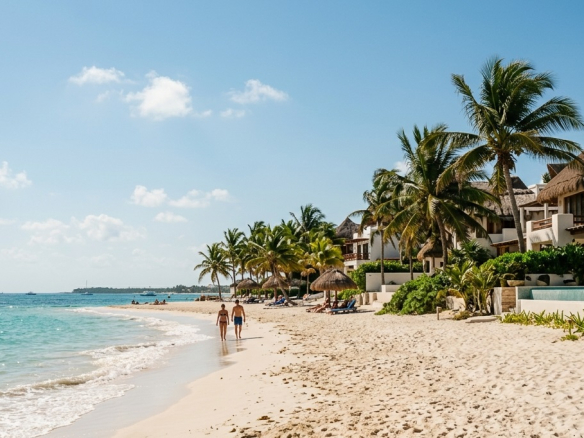
- Profile: Ultra-low-density beachfront zone with cobblestone streets, intimate scale, and a quiet, residential vibe.
- Property types: Primarily freestanding villas and a few legacy low-rise beachfront condo communities.
- Beach access: Direct and immediate—most streets flow to the sand via short paths, and some homes are truly beachfront.
- Privacy: The gold standard within Playa del Carmen—few passersby, mature landscaping, and limited vehicular circulation.
- HOA fees: Generally higher than Phase II; you’re paying for low density, beachfront upkeep, and stringent aesthetic standards.
- Inventory: Limited, tightly held, and often not publicly listed for long. Buyers typically compete for few options.
- Best for: End-users who prioritize beach living, privacy, and walkability over indoor-square-foot-per-dollar; those seeking a primary or second home with strong lifestyle value.
Phase II at a glance
- Profile: Larger master-planned area wrapped around the Hard Rock Golf Club, with defined micro-enclaves and a variety of condos and single-family homes.
- Property types: Single-family subdivisions (some with their own controlled access) plus numerous condo communities along fairways or within leafy internal streets.
- Amenities: Tennis courts in select enclaves, pools, green belts, bikeable roads, and easy access to the golf clubhouse. More variety in budgets and layouts.
- Beach access: A short bike ride or drive to access points through Phase I; some spots are walkable depending on location within Phase II.
- HOA fees: Generally lower than Phase I, with differences by sub-condo (e.g., tennis and larger common areas can mean higher dues).
- Best for: Families, seasonal residents, and investors seeking a mix of value, space, and amenities; golfers and those who want a neighborhood feel without sacrificing proximity to town.
The best private neighborhoods and micro-enclaves in Playacar
Phase I: Beachfront and near-beach villas (north strip by Paseo del Carmen)
- Why it’s special: This is the most walkable point in all of Playacar to 5th Avenue and the Cozumel ferry dock while still being tucked behind the gate. You get morning beach walks, quick dinners in town, and a serene streetscape at home.
- What it feels like: Palm-lined lanes, low traffic, and a mix of classic villas and a few legacy condo complexes with direct sand access.
- Standout features:
- Direct or near-direct beach access via short paths.
- Mature greenery and a discreet residential rhythm.
- Quick exit to shops and services without needing a car.
- Best for: End-users who value daily beach time, walkability, and the charm of an established, low-density neighborhood; couples and retirees who want to minimize driving.
- Considerations:
- Inventory is scarce, and prices reflect rarity.
- Occasional ambient noise from town or the pier area can drift in on busy nights—but much less than living outside the gate.
Phase I: South beachfront and second-row villas
- Why it’s special: Maximum privacy and beach intimacy. The southern stretch puts you closer to resort sands but still deeply residential in feel.
- What it feels like: The sounds are oceanic, not urban; nights are quiet. Properties can have dune views, ocean glimpses, or direct frontage.
- Standout features:
- Best-in-class privacy within Playa del Carmen proper.
- Sublime beach experience with relatively low foot traffic versus public access zones farther north.
- Homes often sit on larger lots; architecture is more individualized.
- Best for: Buyers seeking a private beach retreat and willing to trade some walkability to 5th Avenue for enhanced seclusion.
- Considerations:
- Exposure to coastal weather and salt is higher; maintenance must be proactive.
- The resort strip can generate event noise on occasion, but good siting and landscaping typically buffer it well.
Phase I: Legacy beachfront condos (examples include Xaman-Ha and Villas del Mayab vicinity)
- Why it’s special: Classic, low-rise beachfront living with generous green spaces, often with excellent on-foot access to both the beach and downtown.
- What it feels like: Old-school Caribbean condo life—lush lawns, established palms, and manageable buildings rather than towers.
- Standout features:
- Strong rental appeal when allowed by HOA rules.
- Easy day-to-day living with pools and direct sand access.
- Best for: Buyers who want turn-key beachfront without the maintenance of a freestanding villa; those who appreciate established communities over new builds.
- Considerations:
- Inventory is limited and widely sought.
- Renovation standards vary; confirm HOA policies on remodels and exterior uniformity.
Phase II: Club Real (tennis and green corridors)
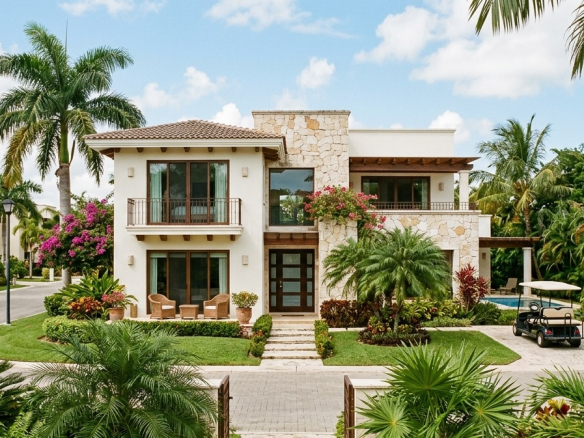
- Why it’s special: A single-family enclave known for nature feel, internal green belts, and access to tennis—arguably the most “suburban garden” vibe in Playacar.
- What it feels like: Quiet streets, slow traffic, and families out on bikes. Plenty of native vegetation and birdlife.
- Standout features:
- Tennis courts and a network of green corridors.
- Larger lots by Playacar standards; good setbacks and privacy between homes.
- Thoughtful HOA controls that keep the look cohesive.
- Best for: Full-time families and end-users prioritizing space, community amenities, and a calm residential setting.
- Considerations:
- Not as walkable to 5th Avenue; biking is the practical norm for beach or town.
- Beach days require a short drive or bike to access points through Phase I.
Phase II: Pakal (cul-de-sacs and quiet lanes)
- Why it’s special: A cluster of single-family homes arranged on cul-de-sacs with a tucked-away feel that limits through traffic.
- What it feels like: Neighborhood intimacy—front porches, kids playing outside, neighbors who know each other.
- Standout features:
- Very low traffic by design, excellent for families with younger children.
- Good value relative to the more beachfront-oriented Phase I.
- Best for: Families and end-users who want a neighborhood texture more than a resort-adjacent one.
- Considerations:
- Fewer “on-site” amenities than Club Real; evaluating individual home condition is key given variations in age and upgrades.
Phase II: Fairway-front condo belts (golf-side living)
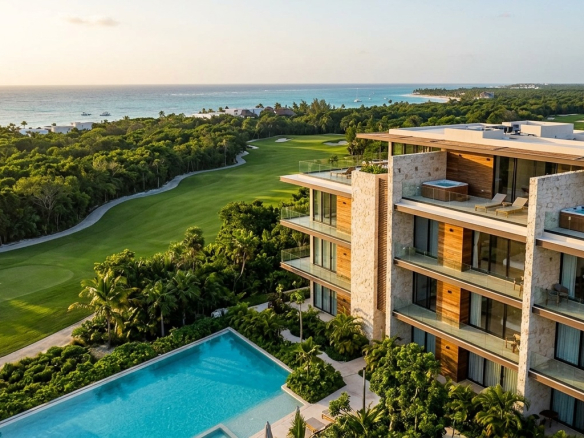
- Why it’s special: Communities lining the Hard Rock Golf Club fairways deliver manicured vistas, pools, and an easygoing resort vibe without being hotels.
- What it feels like: Quiet mornings, golf-course views, and well-kept common areas. Many buildings are low to mid-rise with sunlit pools and gym corners.
- Standout features:
- Strong lock-and-leave convenience and predictable HOA-managed maintenance.
- Rental potential where allowed, particularly for snowbirds and golfers.
- Access to the golf clubhouse; easy to host visiting friends who play.
- Best for: Investors seeking a balanced STR/medium-term rental profile, second-home buyers who want low-maintenance living, and golfers.
- Considerations:
- Verify rental policies (some buildings restrict short stays or cap occupancy).
- Tour at different times; fairway maintenance starts early in the day.
Phase II: Northern, walkable-to-5th enclaves
- Why it’s special: Portions of Phase II near the northern gate give you a shorter walk or bike to Paseo del Carmen and 5th Avenue, without foregoing golf adjacency.
- What it feels like: A practical compromise—quieter than staying in town but less secluded than southern Phase II pockets.
- Standout features:
- Effective day-to-day convenience—groceries, cafés, and pharmacies are within practical reach.
- Streamlined in-and-out access for commuting or school runs.
- Best for: Buyers who will use Playa’s urban amenities frequently and want a simpler daily routine.
- Considerations:
- Closer to the gate means slightly more vehicle movement than deeper cul-de-sac zones.
How these neighborhoods score against the essential criteria
Security and HOA standards
- Phase I: Strong security and very rigorous HOA standards. Architectural controls and landscaping expectations are stricter, preserving a consistent visual character and premium feel. You’re paying for that uniformity—and you can feel it when you walk the streets.
- Phase II: Security is consistent at the main gates, and leading micro-enclaves like Club Real and Pakal add their own layers of neighborhood-level control. Condo HOAs along the fairways can be very proactive; vet their budgets and reserve funds.
Beach access
- Phase I: Unbeatable for daily beach use—multiple pedestrian routes, short strolls, and straightforward logistics with kids or gear.
- Phase II: A quick bike ride or short drive to Phase I access points; many residents keep beach kits in the car. Northern pockets narrow the gap slightly for walkability.
Golf-front living
- Phase I: Not applicable—this is the beach zone.
- Phase II: The fairway-front corridors are purpose-built for golf views, and even non-frontage streets are set up to get you to the clubhouse easily.
Walkability to 5th Avenue
- Phase I north: Best. You can walk to dinner and be back on a quiet street in minutes.
- Phase I south: Still walkable to the beach and some resort amenities; 5th Avenue is more of a long stroll or a bike ride.
- Phase II north: Bikeable or a longer walk depending on exact location; convenient by car.
- Phase II south and deep-in enclaves: Prioritize bikes or cars for town runs.
Family amenities
- Club Real: The standout, with tennis courts and a greenbelt network that naturally encourages kids to be outside.
- Pakal: Excellent street design for safety and neighborhood cohesion; amenity-light compared to Club Real, but lifestyle-rich.
- Fairway condos: Pools and gyms make daily life easy; courtyards are kid-friendly, though play is within condo grounds, not on streets.
- Phase I: The beach is the amenity. Streets are calm, but there are fewer formal sports facilities.
Noise and rental rules
- Phase I: Generally quiet, especially south of the northern gate. Some villas and condos near hotel entertainment or town can pick up distant music on event nights; landscaping and setbacks mitigate most of it. HOAs often enforce quiet hours and guest registration.
- Phase II: Very quiet in Club Real and Pakal due to residential design. Fairway-front condos can have more transient occupancy depending on building rules—vet minimum-stay requirements, check-in procedures, guest caps, and posted quiet hours.
- Tip: Ask to see the specific sub-condo bylaws. Playacar-wide regulations set a baseline, but sub-condos often add stronger rules that meaningfully shape your day-to-day experience.
Hurricane resilience
- Phase I: Oceanfront and first-row homes need robust maintenance due to salt and wind exposure. Many properties are concrete block with flat roofs and hurricane-rated shutters; confirm drainage, window specs, and generator readiness. Dune systems provide natural protection but do not eliminate salt exposure.
- Phase II: Slightly set back from the shore with elevation and distance that reduce salt wear and storm surge risk. Look for communities with good stormwater management, underground utilities where possible, and solid HOA response plans. Golf-course tree cover can be both a wind buffer and a cleanup factor after storms.
- Practical check: Review a building’s storm history, insurance claims, and any special assessments post-major events; ask how fast services were restored.
Long-term value
- Phase I: Scarcity drives value. Inventory is limited, and livability is high—strong protection against market swings. If your time horizon is long and you prize beach proximity, Phase I is hard to beat.
- Phase II: Value hinges on the micro-enclave. Club Real and Pakal hold desirability for end-users, while fairway-front condos have rental-friendly appeal. Northern pockets will always benefit from convenience. Because supply is more diverse, price appreciation is steadier rather than spiky—attractive for balanced portfolios.
Buyer profiles and best-fit neighborhoods
End-user primary or retirement home
- Best picks:
- Phase I south beachfront/second-row villas for serenity and beach lifestyle.
- Club Real for nature feel, tennis, and everyday privacy.
- Why: Both options deliver daily quality-of-life advantages with minimal compromises. Phase I maximizes the beach; Club Real maximizes green space.
Family with school-age kids
- Best picks:
- Club Real for safe streets and sports courts.
- Pakal for cul-de-sacs and community feel.
- Why: They are residential at heart, with controlled flows, easy biking, and proximity to services by car. Condo pools are great, but houses offer yard space and storage many families prefer.
Investor focused on short- to medium-term rentals
- Best picks:
- Fairway-front condos with sensible rental rules and amenities.
- Phase I legacy beachfront condos where rentals are allowed (always verify).
- Why: Condos provide lock-and-leave convenience, predictable HOA maintenance, and guest-friendly amenities. Beachfront commands premiums; golf-side offers steady seasonal demand.
Golf-forward lifestyle seekers
- Best picks:
- Fairway-front condo belts throughout Phase II.
- Why: You’ll walk or cart to the clubhouse and enjoy a community of like-minded neighbors. Views and mornings on the balcony are part of the appeal.
Practical tips: budgets, fees, and due diligence
Typical price context
- Phase I villas: Expect premium pricing given scarcity and beachfront proximity. Beachfront and second-row homes command the top of the market in greater Playa del Carmen.
- Phase I legacy condos: High-demand, especially in well-managed complexes with strong track records.
- Phase II single-family (Club Real, Pakal): Generally less expensive than Phase I on a like-for-like basis, with price swings based on lot size, remodel level, and position within the enclave.
- Phase II fairway condos: Wide range tied to building age, amenities, view, and rental performance history.
HOA fees and what to check
- Community-level dues: All Playacar owners contribute to shared services (gates, roads, landscaping). Phase I assessments tend to be higher due to low density and beachfront maintenance.
- Sub-condo dues: Condos and enclaves add their own budgets for pools, courts, gyms, landscaping, and reserves. Review:
- Reserve fund level and recent special assessments.
- Insurance policies (building, liability).
- Maintenance schedules (paint cycles, roof work, pool plant upgrades).
- House rules (noise, pets, parking, guest registration).
- Rental policy specifics (minimum stay, caps, enforcement and fines).
Beach access and usage
- Mexican beaches are public by law. In Playacar, Phase I provides practical, scenic corridors to the sand for residents of both phases. If you’re in Phase II, clarify the nearest pedestrian entry and the route you’ll use day-to-day.
Infrastructure and services
- Internet: Fiber or high-speed options vary by sub-condo; confirm provider and speeds in your specific building or street.
- Power and water: Ask about generator readiness (especially in Phase I) and water pressure systems in older buildings.
- Drainage: For ground-floor condos and low-lying lots, inspect during or after heavy rain if possible.
Title and legal
- Many foreign buyers use a bank trust (fideicomiso) or a Mexican corporation for title within the restricted zone; work with a reputable notario and closing attorney.
- Confirm that the sub-condo regime is properly constituted and that HOA minutes, bylaws, and budgets are available for review.
- Check that modifications (e.g., enclosed terraces, added pergolas) were approved by the HOA and permitted if required.
The verdict: best neighborhoods by category
- Best overall for privacy and beach life: Phase I south beachfront and second-row villas. You’ll trade a bit of walk-to-town convenience for maximum serenity and the best daily relationship with the ocean.
- Best overall for walkability and lifestyle blend: Phase I north near Paseo del Carmen. You’ll step from the gate into restaurants and shops while keeping a quiet residential base.
- Best for families who want space and community amenities: Club Real in Phase II. Tennis, green corridors, and a true neighborhood fabric make it a standout.
- Best for family-friendly value with quiet streets: Pakal in Phase II. Cul-de-sacs, intimacy, and stable resale appeal.
- Best for golfers and low-maintenance living: Fairway-front condo belts throughout Phase II. Views, amenities, and straightforward ownership routines.
- Best for investment flexibility with lifestyle upside: Well-managed Phase II condos that permit responsible short-term rentals; legacy Phase I condos with allowed rentals can be home runs but are tightly held.
How to choose between Phase I and Phase II
- Choose Phase I if:
- Daily beach access is your top non-negotiable.
- You value scarce, low-density environments and are comfortable paying for them.
- You’re an end-user looking for a private retreat with strong long-term value preservation.
- Choose Phase II if:
- You want a balance of budget, space, and amenities.
- You’re raising a family or want a residential neighborhood texture.
- Golf-front living, pools, and low-maintenance condos are appealing.
- You may rent part-time and want buildings designed for it.
Final take
Playacar remains the premier gated address in central Playa del Carmen because it gives you the impossible combination: genuine residential privacy inside the city limits, real beach access, and a master-planned framework that still feels human in scale. The “best” neighborhood depends on your priority stack, but a few truths hold across the board:
- If you dream in shades of turquoise and dawn walks on the sand, Phase I is the benchmark.
- If you want the rhythm of a neighborhood with tennis, lawns, and kids learning to ride bikes, Club Real and Pakal are your friends.
- If golf views, pools, and a lock-and-leave condo make life easy, Phase II’s fairway-front communities fit like a glove.
- If you need to be at dinner on 5th Avenue in five minutes but sleep on a quiet street, the northern edge of Phase I is hard to beat.
Whichever you choose, focus your search on the specific micro-enclave character, the HOA’s competence, and practicalities like drainage, rental policies, and reserve funds. That’s where the true, day-to-day quality of Playacar life—and long-term value—really lives.
Conclusion
Playacar choices center on fit: Phase I vs Phase II, true beach access, security, HOA rules, and walkability. Key takeaways—match lifestyle to location; verify bylaws, insurance and storm-hardening; mind noise & rental limits. Ready to act? Connect with Buyplaya Real Estate Advisors, the premier broker for foreign investors in Playa del Carmen, Tulum, and the Riviera Maya of Mexico—over 20 years helping purchase homes, condos, investment, beachfront & commercial. Start today.
Related Posts
- What Are The Best Neighborhoods To Buy In Playa Del Carmen Or Tulum
- All Playacar Listings
- Top Locations to Buy Property in Playa Del Carmen
Frequently Asked Questions (FAQs)
What’s the real lifestyle difference in Playacar Phase I vs Phase II?
Playacar Phase I vs Phase II comes down to beach-first living vs golf-centric living. Phase I is ultra-low density on the sand, quiet lanes by the reef entry, and true walk-to-beach in minutes. Phase II wraps the Hard Rock fairways with micro-enclaves, more amenities, and broader budgets.
Quick way to feel it:
- Walk times: open Google Maps, pin “Playacar Fase 1” and “Playacar Fase 2,” then map walking to “Ferry to Cozumel” or “5th Avenue.” It shows day vs night routes and time.
- Nature vs activity: Phase I is about waves, sea breeze, and privacy; Phase II adds tennis, kids parks, and golf cart life.
- Rental energy: Phase I often has stricter rental rules; Phase II varies by enclave and condo regime.
How do I check beach access, sargassum, and noise for Playacar Phase I vs Phase II before buying?
To vet beach feel in Playacar Phase I vs Phase II, do this:
1) Map beach entry points with Google Maps satellite; look for public paths and the reef gate areas in Phase I. Walk them at sunrise and sunset—tide + crowds change the vibe.
2) Review seasonal flow on Caribe Mexicano. Sargassum season (usually spring–summer) can shift beach use; Phase I’s coves may catch or avoid it depending on currents.
3) Check event calendars at Hard Rock Golf Club Playacar for tournaments and music that can add traffic or sound along fairway condos in Phase II.
4) If you’ll rent, look for nighttime noise patterns near resort corridors. Visit twice—weekday and weekend—don’t skip this.
5) For storm exposure, note dune height, native vegetation, and building setbacks; ask for the property’s storm-hardening notes… windows, shutters, drainage.
Which rules, HOA fees, and rentals matter most in Playacar Phase I vs Phase II?
In Playacar Phase I vs Phase II, rules vary by condominium regime and HOA. Verify, don’t assume:
- Get the “Reglamento de Condominio” (bylaws), last 24 months of assembly minutes, and current budget. Ask for rental bylaws (night limits, guest registration, noise).
- Confirm HOA fees cover: 24/7 security, beach access paths, common area insurance, pool care, tennis, and road upkeep; Phase I fees can be higher due to beachfront care.
- Check municipal requirements: short-term rental permits and lodging tax via the Municipio de Solidaridad portal. Save payment proofs.
- Parking, pets, grills, and exterior changes—small rules, big impact. Read every line.
What’s the buying process for foreigners choosing between Playacar Phase I vs Phase II?
Here’s a simple flow for Playacar Phase I vs Phase II:
1) Offer and escrow: agree on price, inclusions, and timeline; open escrow.
2) Fideicomiso (bank trust): foreigners buy within the restricted zone via a trust. Your closing notary sets it up; bank is trustee, you’re beneficiary with full rights.
3) Due diligence: notary confirms title, no liens, correct boundaries; you (or counsel) review utilities, HOA solvency, and assembly minutes. Pull neighborhood data from INEGI for context, population, and services.
4) Permits and taxes: if you’ll rent, register locally at Municipio de Solidaridad. Keep tax IDs and receipts in a shared folder.
5) Close and insure: sign before the Notario Público, pay closing costs, record the deed. Add hurricane coverage and contents; verify shutters & drainage are in place.
6) After closing: change CFE electricity and water to your name, set HOA auto-pay, and document key handover. If desired, track beach and event seasons using Caribe Mexicano and the Hard Rock Golf Club calendar.
Why choose Buyplaya when deciding on Playacar Phase I vs Phase II?
Buyplaya is the premier real estate broker for foreign investors in the Playa del Carmen, Tulum, and Riviera Maya of Mexico—successfully assisting clients for over 20 years purchasing homes, condos, investment, beachfront, and commercial properties in Mexico. For Playacar Phase I vs Phase II, our bilingual team maps walk times, HOA rules, rental viability, and fairway vs beachfront trade-offs. We coordinate notary, bank trust, due diligence, and post-closing setup so you don’t miss a thing. Start with a quick needs call and a curated shortlist from Buyplaya Real Estate Advisors—then tour the right streets, at the right hours, to feel the real lifestyle.

Join The Discussion