
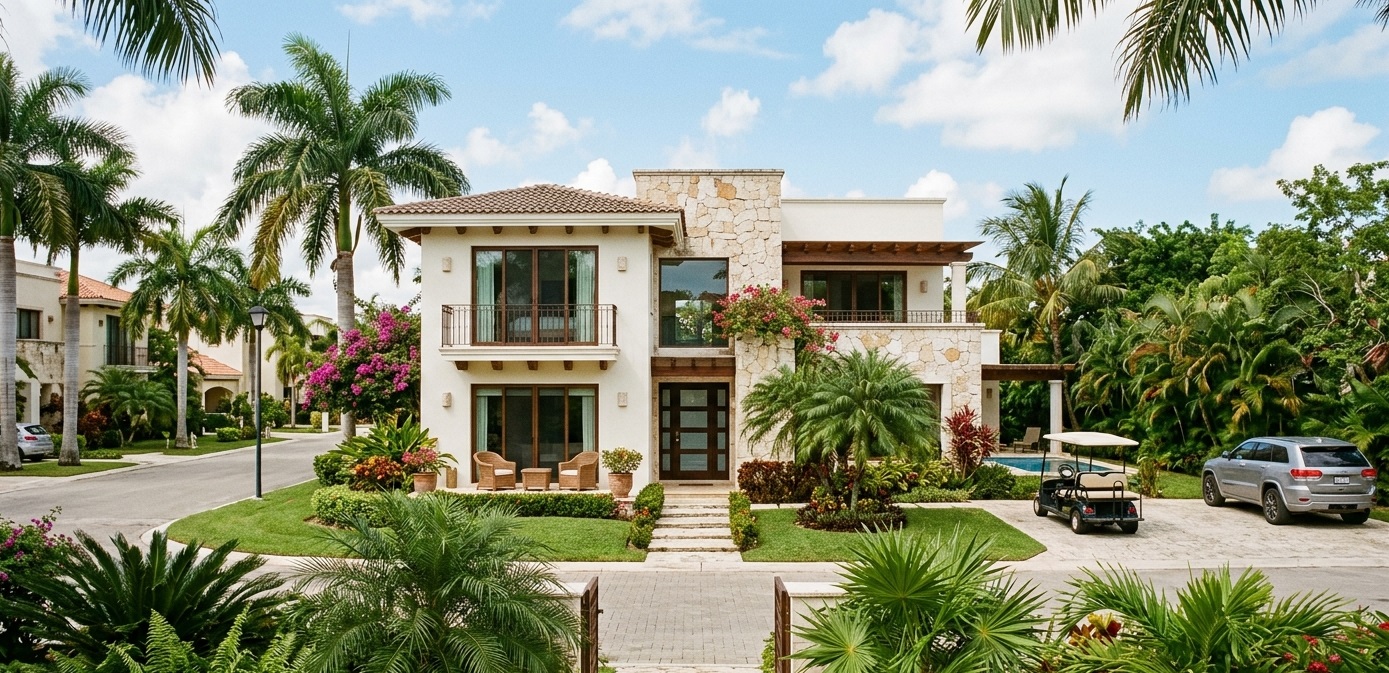
Considering Playacar Phase 2 homes for sale? As a Playa del Carmen, Tulum & Riviera Maya broker who’s walked these streets for years, I’ll help you understand the neighborhood, shortlist the right villas & townhomes, and navigate trusts, HOA rules, and closing. We’ll cover true costs, rental potential, and what to check on-site so you buy with confidence.
Table Of Contents
- Market snapshot: Playacar Phase 2 homes for sale
- Lifestyle and location notes
- Buying process for foreigners (step-by-step)
- Ownership costs and operations
- Property evaluation checklist
- Useful references to ground decisions
- Operations tips from daily practice
- Renovation and design notes inside the HOA framework
- Rental considerations specific to Phase 2
- Data points to request from a seller
- Working with a local specialist
- Conclusion
- Related Posts
- Frequently Asked Questions (FAQs)
Key Takeaways
- Playacar Phase 2 lives quiet and green—golf views, gated entries, resident beach access, and mostly villas or townhomes; as a local specialist I always check sun path, airflow, and pool privacy on each tour.
- To buy safely, we lock offer and escrow, then the Notario runs title & liens, I obtain HOA estoppel, confirm zoning and land-use, set up your fideicomiso, and verify boundaries with INEGI; closings in ~30–60 days, POA works if you travel.
- Plan the real cost: 4–8% closing (transfer tax, Notario, trust), annual bank-trust fee, HOA dues, low predial, plus ongoing CFE power and water, pool and garden, hurricane prep; keep a salt-air maintenance reserve..
- Rentals can perform, but check HOA bylaws and municipal rules first; register, handle lodging tax, add safety gear, and set clear house rules—good income without headaches.
- Buyplaya is the premier real estate broker for foreign investors in the Playa del Carmen, Tulum, and Riviera Maya of Mexico—successfully assisting clients for over 20 years purchasing homes, condos, investment, beachfront, and commercial properties in Mexico; we manage comps, HOA and Notario coordination end-to-end.
Market snapshot: Playacar Phase 2 homes for sale
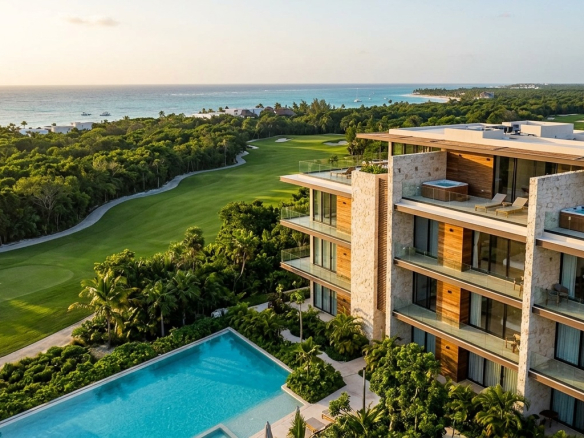
Playacar Phase 2 sits inside a guarded, golf-centered community with 24/7 controlled access, lush fairways, and a quieter pace than central Playa del Carmen. Expect mostly detached villas and a handful of townhome-style houses lining or near the Hard Rock Golf Club Riviera Maya. Density is low-rise. Streets are mature and shaded, and HOA architectural rules preserve a cohesive look—stucco exteriors, soft colors, and careful height restrictions. You’ll also find controlled beach access points and easy reach to 5th Avenue by bike or a short drive.
From years of walking these streets with clients, I find inventory typically clusters around golf-facing cul-de-sacs and near the main gates, with more private lots tucked deeper into Phase 2. Supply ebbs and flows. There are no reliable, fixed numbers to quote here—so we rely on on-the-ground showings, HOA updates, and local records instead of broad averages. When the right home appears, it can move quickly, especially if it’s quietly updated, has a sunny pool deck, and sits on a fairway with mature trees.
A quick comparison to set context:
| Area | Vibe | Housing mix | Density | Beach access feel |
|---|---|---|---|---|
| Playacar Phase 1 | Boutique, beachfront-adjacent | Smaller villas, some condos | Lower | Immediate, intimate |
| Playacar Phase 2 | Residential, golf-focused | Mostly detached villas, some townhome-style | Low-rise | Controlled access points |
| Downtown/5th Ave area | Urban, lively | Condos mostly | Higher | Public beaches, busier |
What you’ll typically find on the market
- Detached villas ranging from compact two-bedroom homes to spacious multi-suite houses, many with private pools and covered terraces.
- Townhome-style properties in quieter pockets; some share common green areas or pools.
- Garages or covered carports are more common than in central Playa.
- Outdoor living is key: shaded patios, roof terraces, and garden-facing living rooms with sliding doors.
- Facades tend to echo tropical Mediterranean lines; interiors vary from classic tile-and-wood to modern minimal.
Expect modest HOA oversight on paint palettes, façade changes, additions, and perimeter walls. If you’re planning to renovate or add a rooftop pergola, factor in HOA submission time.
Where inventory clusters—and what to watch
- Golf perimeters: homes backing the fairways offer green views & privacy. Walk the line in the early morning to see sun and how sprinklers drain.
- Gate proximity: houses near the main access may be more convenient for rideshares and deliveries, but check for occasional traffic hum.
- Hotel edges: properties near resort boundaries might pick up event noise on certain weekends; ask for an event calendar if possible.
- Internal cul-de-sacs: low traffic, strong privacy. Good for families and owners who value quiet.
Lifestyle and location notes
Phase 2 is larger and more residential than Phase 1. It threads around the Hard Rock Golf Club, so many streets open to long fairway corridors and tall tropical trees. It feels calm—birdsong at sunrise, gardeners rustling leaves in the afternoon, and evening walks are a norm. Because it’s gated, bike rides and jogs feel straightforward, and there are loops you can repeat for low-stress exercise.
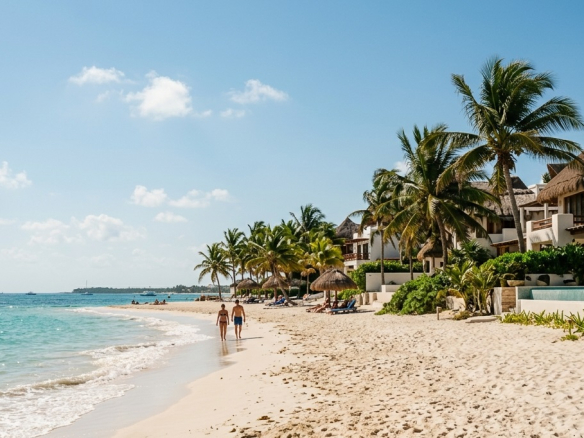
With controlled beach access points and proximity to 5th Avenue, you can pivot between quiet and buzz with little effort. Owners often keep a couple of beach chairs in the trunk and slip out early for calm water. In high season, head out a touch earlier or later to avoid crowd peaks.
Noise? Generally limited. You’ll notice maintenance windows from golf course teams at dawn. Occasionally, there are events at nearby resorts. It’s why I like to schedule at least one showing near sunrise or after 9 p.m., to test real-world sound.
Getting around day-to-day
- Golf Club: quick access by bike or on foot, depending on your location within the phase.
- 5th Avenue: an easy drive; biking is popular during daylight hours.
- Groceries and services: most residents mix in local shops just outside the gates with larger supermarkets along the highway.
- Medical: private clinics and pharmacies are close by; larger hospitals sit toward the highway corridor.
If you plan to rely on rideshares, choose a home near a straightforward pickup spot. Cul-de-sacs may require a short walk to a main street inside the community.
Who Playacar Phase 2 fits best
- Golfers and greenspace lovers who prefer low traffic, green views, and wide streets.
- Families seeking a quieter neighborhood with controlled access, bike-friendly loops, and steady routines.
- Remote workers who want to be near town but not inside the nightlife grid.
- Seasonal owners who want a single-family home feel with an HOA framework that protects property aesthetics.
Buying process for foreigners (step-by-step)
Foreigners can acquire property in Playacar via a fideicomiso (bank trust) or Mexican corporation, depending on strategy and legal advice. Phase 2 is within the restricted zone, so a fideicomiso is the standard path for most individual buyers. Below is the typical flow I use with clients:
1) Strategy and paperwork
- Confirm the acquisition route: fideicomiso vs. corporation (your attorney and tax advisor will steer this).
- Review the foreign investment trust framework with the Ministry of Foreign Affairs (SRE). Start with SRE’s overview and process at gob.mx/sre.
- Gather KYC documents: passport copy, proof of address, and—for dual paths—corporate docs if needed.
2) Offer and escrow
- Submit a written offer with contingencies: clear title, clean HOA estoppel, satisfactory inspection, and verified utilities.
- Open an escrow file with a licensed provider. Funds are wired in stages per your contract.
3) Title due diligence with the Notario Público
- Order a certificate of no liens/encumbrances.
- Verify seller identity and corporate capacity if applicable.
- Cross-check cadastral map and deed with INEGI boundary references. Use INEGI to confirm neighborhood mapping and lot context.
4) HOA estoppel and community standing
- Request HOA estoppel/status letters: confirm dues are current, no fines, and no pending architectural violations.
- Ask for HOA rules, architectural guidelines, and any rental policies in writing.
5) Land-use and zoning verification
- Confirm the zoning aligns with intended use (residential, rental permissibility, and caps if any).
- Verify setbacks and height limits if you plan to expand or add a rooftop pergola.
6) Technical inspection and utilities
- Commission a professional inspection: structure, roof membranes, drainage, electrical panel, plumbing, and moisture.
- Test CFE electricity load, grounding, and use of inverter A/Cs; verify the water pressure, pump health, and cistern capacity.
- Confirm fiber or cable internet options in your specific block. Don’t assume—coverage varies.
7) Closing preparation
- The Notario consolidates the deed, trust bank acceptance (for fideicomiso), and tax calculations.
- You review the final settlement statement, wiring instructions, and closing appointment.
- Sign, fund, and complete registration. Keep digital and hard copies.
Helpful municipal references:
- Playa del Carmen (Solidaridad) municipal information, including predial and processes.
For orientation and neighborhood boundaries:
- Community mapping and quick route views: Google Maps Playacar Phase 2
- Hard Rock Golf Club Riviera Maya for course layout and events context
Simple tools and templates to keep you organized
- Offer worksheet (one-pager): property address, offered price, contingencies, key dates, inclusions/exclusions.
- Due diligence checklist: 20–30 line items (title docs, HOA estoppel, inspection points, utility proofs, inventory list).
- Closing timeline: Gantt-style rows for escrow, SRE trust step, notarial review, inspection, and final funding.
- Showing log: date/time, sun orientation notes, any noise, A/C brand and age, pool equipment snapshot, and a 1–5 score for “gut feel.”
If you’d like a clean starting point to sort options, see our Playacar-focused resource here: Playacar Homes for Sale: Fast-Track Your Search in the Riviera Maya.
Ownership costs and operations
Ongoing ownership in a coastal, gated neighborhood involves routine costs and seasonal tasks. Nothing unusual, but planning helps.
What to budget:
- HOA dues: covers gate operations, common area maintenance, and architectural oversight.
- Predial (municipal property tax): typically modest compared to many U.S. markets.
- Hurricane readiness: basic supplies, window protection or shutters, and service checks pre-season.
- Pool and garden service: weekly visits are the norm; salt air and sun call for steady attention.
- CFE electricity and potable water: inverter A/Cs and ceiling fans help keep bills sane.
- Reserve for salt-air wear: exterior paint, pergola wood treatment, stainless fixtures, and window hardware.
- Insurance: property, hurricane/wind, and liability (especially if you’ll rent).
- Internet and satellite/cable: confirm the provider for your block and speeds that match remote work or streaming.
If you plan to rent seasonally:
- Review HOA rental rules: minimum stays, guest registration, exterior signage, and quiet hours.
- Confirm municipal regulations, permits, and tax reporting. Your property manager or accountant will outline what’s required for short-term vs. long-term.
- Furnish for durability: washable slipcovers, Sunbrella-type fabrics, sealed wood, and rust-resistant outdoor furniture.
- Build a guest-ready operations kit: spare keys, labeled breakers, pool net, beach rules, and neighborhood map.
Step-by-step: set up your home after closing
1) Utilities and services
- Transfer CFE electricity and water to your name; schedule meter reads; add online pay access.
- Install or transfer internet; test speeds at the modem and at your desk.
- Contract pool, garden, and cleaning services with clear visit days.
2) Maintenance rhythm
- Quarterly: A/C filter changes; dehumidifier runs in closets; window seal check.
- Semiannual: roof membrane inspection; gutter/drain clearing; exterior paint touch-ups.
- Annual: termite/wood pest review; pergola and deck treatment; full septic or drainage review if applicable.
3) Hurricane plan
- Pre-season vendor checklist; shutter test or plywood fit; trim trees and secure outdoor items.
- Insurance policy review; photo-inventory and cloud backups of all serial numbers.
- After-event inspection steps and vendor contact tree.
4) Documentation and records
- Keep a digital binder: deed copy, HOA approvals, estoppel letters, inspection report, warranties, and vendor contracts.
- Inventory list with photos (QR codes on storage bins help during turnovers).
Property evaluation checklist
Use this list during showings. It’s short on purpose; the best notes are simple and consistent.
- Orientation and airflow
- Where does the sun hit at 9 a.m., 1 p.m., and late afternoon?
- Can you cross-ventilate living areas without turning on A/C?
- Roof and drainage
- Look for ponding signs or patchwork. Ask about the last membrane update.
- Check scuppers and downspouts—do they send water away from foundations?
- Window and door seals
- Slide doors fully, test locks, look for fogging between panes.
- Run a flashlight around frames to spot gaps.
- A/C and electrical
- Inverter A/Cs reduce electricity costs; note brand and install date if available.
- Open the electrical panel: look for clear labeling, no burned marks, proper grounding.
- Hurricane shutters or protection
- Verify hardware is on-site; ask to see how panels go on; take pictures.
- Water pressure and cistern capacity
- Run two showers plus a faucet at once; listen for the pump cycling.
- Ask about filtration or softening systems.
- Pool and equipment
- Is the pool in morning sun? Shade can cool water and add maintenance.
- Note pump, filter type, and any salt system; look for leaks near unions.
- Parking and access
- Carport or enclosed garage? Guest parking near the home?
- Proximity to main or secondary gates for quick exits.
- HOA and lot boundaries
- Confirm boundary markers match the deed and HOA plot plan.
- If there’s a side garden or extended terrace, verify it’s within property lines.
- Noise and privacy
- Visit at dawn, midday, and evening. Listen for maintenance, resort events, or neighbor A/C compressor hum.
- Test the beach route
- Walk the path yourself. Time isn’t the point—look for ease, shade, and safe crossings.
- Internet readiness
- Ask neighbors on the same street about their provider and real upload speeds.
Pro tip: if a home backs to a fairway, walk the edge and check for ball marks on upper terraces or roof tiles. A slight angle on façades can make a big difference in stray ball risk.
Useful references to ground decisions
- Foreign buyer trust framework and timelines: gob.mx/sre
- Tip: note the section on “Permits for the constitution of trusts in restricted zones.”
- Playa del Carmen (Solidaridad) municipal portal
- Where to look: predial payment info, urban development references, and service directories.
- Neighborhood mapping and statistics: INEGI
- How to use: search by locality (Playa del Carmen), overlay settlement boundaries, and review land use maps that align with the deed.
- Golf course details and context: Hard Rock Golf Club Riviera Maya
- What to ask: event calendars, maintenance schedules, and any community reciprocity or resident rates if available.
- Map orientation and quick visual checks: Google Maps Playacar Phase 2
- What to check: sun path with Street View hints, distance to gates, and your preferred beach route.
Mini how-to: verify Phase 2 boundaries with INEGI
1) Open INEGI’s map viewer and search “Playa del Carmen.”
2) Zoom to Playacar and toggle settlement/colonia layers if available.
3) Cross-check the lot’s street with your draft deed and the HOA plan.
4) Save a screenshot to your file for the Notario and your records.
Mini how-to: read your predial receipt
1) Confirm account number matches the deed.
2) Check owner name spelling and property address.
3) Review period covered and payment status; look for discounts windows.
4) Keep digital copies for future sales and capital gains calculations with your accountant.
Operations tips from daily practice
- Salt and sun are constant. Stainless screws, marine-grade hinges, and UV-resistant sealants pay off.
- Closet dehumidifiers run on low keep linens fresh in the rainy season.
- If you rent, a two-set linen rotation with labeled storage cuts turnovers in half.
- Garden irrigation should be checked quarterly; mis-aimed heads waste water and stain walls.
- For dogs: map a shaded walk loop before you buy. Midday heat is real.
Renovation and design notes inside the HOA framework
Phase 2’s HOA is protective of the neighborhood character. That’s a good thing for long-term value, but it means planning early:
- Architectural submissions: prepare a simple plan showing elevations, materials, and colors. Allow time for review.
- Exterior colors: confirm the accepted palette; a tone that looks “white” in the store can glare in tropical sun.
- Solar and sustainability: panels are increasingly common; place in low-visibility zones and show structural calculations.
- Noise and work hours: contractors must respect community timings; ask for the exact schedule in writing to avoid fines.
Rental considerations specific to Phase 2
Short-term rentals exist, but fit within community rules and evolving municipal frameworks. Check:
- Minimum-stay rules and guest registration requirements with the HOA.
- Municipal rental permits and tax filing cadence; coordinate with a local property manager and accountant.
- Parking and guest behavior guidelines; include a friendly, printed house manual to set expectations.
- Insurance for liability and contents; if near a fairway, consider a clause for golf ball incidents.
A compact, well-lit home with a sunny pool deck, reliable internet, and quiet bedrooms tends to perform best. Avoid over-theming interiors; neutral, durable finishes photograph well and age better.
Data points to request from a seller
- Most recent predial and HOA receipts
- Utility averages and service providers
- Age of roof membrane, A/C compressors, and pool equipment
- Pest treatment history and wood maintenance schedule
- Any open HOA items or recent architectural approvals
- Appliance list with serial numbers (makes future service easier)
Working with a local specialist
In Playacar Phase 2, the right home is often the one you feel when you walk in—airflow, light, garden privacy, and how the layout lives. But the transaction still comes down to documents, timelines, and steady coordination. That’s where an experienced team matters.
At BuyPlaya Real Estate Advisors, we:
- Pre-vet listings and align them with your use case (full-time living, seasonal, or investment).
- Coordinate notarial due diligence, HOA estoppels, and SRE trust steps—front to back.
- Maintain a bilingual vendor roster for inspections, pool/garden, A/C, and internet.
- Structure offers with practical contingencies and a clean path to closing.
- Track sun patterns, noise windows, and bike routes during showings so nothing’s left to chance.
If you want to fast-track your short list and see what’s active now, start here: Playacar Homes for Sale: Fast-Track Your Search in the Riviera Maya.
Conclusion
Buying in Playacar Phase 2 comes down to lifestyle fit and due diligence. Confirm the fideicomiso, check HOA rules & fees, do inspections and utility checks, then verify clean title. No rush—clear steps. For local help and a steady process, contact Buyplaya Real Estate Advisors, the premier broker for foreign investors in Playa del Carmen, Tulum and the Riviera Maya, assisting clients for 20+ years with homes, condos, investment, beachfront and commercial purchases.
Related Posts
- Playacar Homes for Sale: Fast-Track Your Search in the Riviera Maya
- What are the best private neighborhoods in Playacar?
- All Playacar Listings
Frequently Asked Questions (FAQs)
What makes playacar phase 2 homes for sale stand out compared to other Playa del Carmen areas?
Playacar Phase 2 is a gated, low-density neighborhood wrapped around the Hard Rock Golf Club. You get wider, quieter streets, mature trees, bike paths and controlled access. Most playacar phase 2 homes for sale are detached villas or townhome-style houses with private pools, many bordering fairways or tucked in cul-de-sacs. Owners have resident beach access, and 5th Avenue is close—often a short bike ride. As a local specialist, I also look at sun orientation, airflow, and noise patterns (like early golf maintenance) because they change day-to-day comfort and rental appeal.
How much are closing costs, HOA fees, and taxes when buying playacar phase 2 homes for sale as a foreigner?
Plan on roughly 4%–8% of the price for closing costs, which include transfer tax, Notario fees, trust setup if needed, and registration. In the restricted zone, foreigners use a bank trust (fideicomiso)—setup is typically a few thousand USD, with an annual fee after that. HOA fees vary by lot size and community services; always request the current HOA estoppel for exact dues and any special assessments. Predial (property tax) in Playa del Carmen is low vs US and Canada—often a few hundred dollars per year depending on valuation. I verify all numbers up front so there are no surprises at signing.
Can I rent out playacar phase 2 homes for sale short term, and what rules should I know?
Many owners do seasonal or vacation rentals, but you must follow HOA rules & local regulations. Some enclaves allow short stays; others require minimum nights or owner registration. The Municipality of Solidaridad also sets norms for permits, safety gear (extinguishers, signage), and lodging tax collection. We review your block’s HOA bylaws, get written confirmation of rental policy, and line up a compliant cleaning and maintenance plan. It sounds like a lot, but done right it protects your income and keeps neighbors happy.
What is the step-by-step buying process for playacar phase 2 homes for sale if I’m abroad?
- Define budget and timing, then we shortlist homes that match sun exposure, layout, and location to beach access.
- Offer & acceptance in writing, with an escrow arrangement.
- Due diligence by the Notario: title search, lien certificates, HOA estoppel, utility clearances, and land-use check.
- Fideicomiso (bank trust) setup for foreign buyers—can be parallel to due diligence.
- Technical inspection: structure, roof membranes, drainage, A/C, water pressure, and humidity control.
- Closing scheduling. If you can’t travel, we use a limited Power of Attorney for remote signing; funds are disbursed at title transfer.
From offer to keys it’s often 30–60 days depending on documents and trust timing.
Why is Buyplaya the right team for playacar phase 2 homes for sale and for foreign investors?
Buyplaya Real Estate Advisors is the premier real estate broker for foreign investors in the Playa del Carmen, Tulum, and Riviera Maya of Mexico—successfully assisting clients for over 20 years purchasing homes, condos, investment, beachfront, and commercial properties in Mexico. We know every micro-area in Playacar Phase 2, we speak with HOA admins, and we coordinate Notario, bank trust, and inspections end-to-end. You get straight answers, real comps, and boots-on-the-ground support so your purchase is smooth, safe, and timed to your goals.

Join The Discussion