
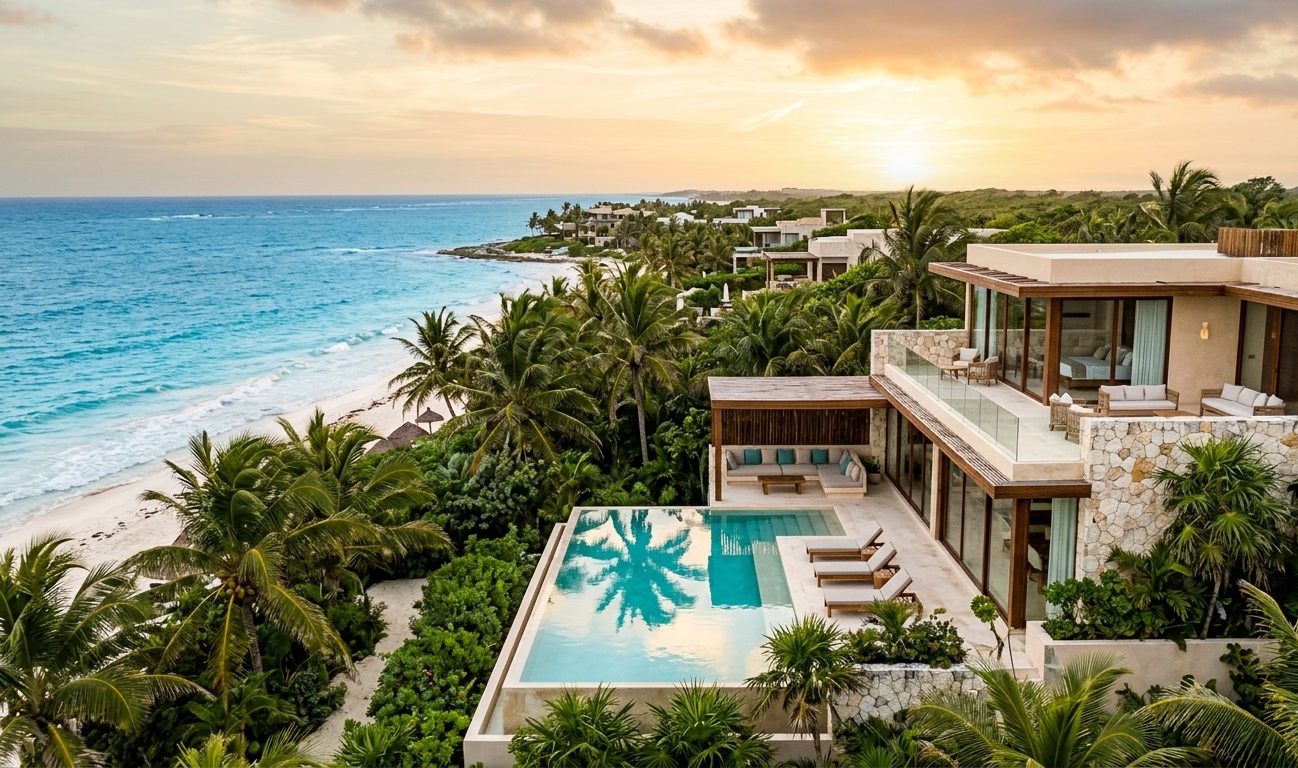
Curious about Tulum Mexico properties? This quick overview shows where demand is strongest, how the purchase process works for foreigners, and what costs and timelines to expect. You’ll learn practical steps, common pitfalls to avoid, and tips to underwrite rental income with confidence—so you can move from browsing to making a smart offer.
Table Of Contents
- Market snapshot and demand
- Property types and neighborhoods
- Buying process and legal
- Financing, taxes and costs
- Income, management and sustainability
- Conclusion
- Related Posts
- Frequently Asked Questions (FAQs)
Key Takeaways
- Choose the right pocket in Tulum—Aldea Zama (turnkey), La Veleta (value), Region 8/15 (low density). Walkability, HOAs and amenities push ADR and occupancy.
- Buy safely: fideicomiso or a Mexican company, a solid notario, title check at the public registry, avoid ejido land; escrow and permit reviews before funds move. Closings often 6–10 weeks.
- Budget the full cost: about 4–8% to close (transfer tax, notary, trust setup, registry, appraisal) plus HOA, utilities, insurance and lodging tax if renting.
- Rentals and builds: pre-construction can work but watch delays and finish changes; lock-off layouts lift revenue; choose durable materials, good water and waste systems for the jungle.
- Buyplaya is the premier real estate broker for foreign investors in Playa del Carmen, Tulum, and the Riviera Maya—successfully assisting clients for over 20 years purchasing homes, condos, investment, beachfront, and commercial properties in Mexico; we align goals, vet permits & title, and keep your deal steady.
Market snapshot and demand
Where attention concentrates
Most searches for Tulum Mexico properties gravitate to a few walkable, investment-friendly pockets:
- Aldea Zama: Master-planned, paved, with bike paths and a mix of condos and villas. Consistent rental demand, especially for well-finished 1–2 bedrooms near commercial nodes. Good for buyers who value amenities and stable services.
- La Veleta: Larger and more varied than Aldea Zama. You’ll find boutique multi-units, villas with private pools, and some streets with mixed infrastructure. Nightly rates vary widely by block and amenity level.
- Region 8 and Region 15: Newer areas pushing closer to the beach corridor and the jungle’s edge, attracting eco-focused builds with rooftop pools, solar setups, and natural finishes. Pre-construction dominates, so timing and developer track record matter.
A smaller slice of investors target Tulum Centro (for local services) and the beach hotel zone for lifestyle buys, acknowledging federal coastal rules and higher operating complexity.
Why demand is still strong
- Access keeps improving: The Tulum International Airport (Felipe Carrillo Puerto) shortens arrival times and is bringing in more direct flights. The Tren Maya is opening phased service across the Yucatán Peninsula, increasing connectivity from Cancún, Playa del Carmen, Mérida, and beyond. For updates, track the federal project page at gob.mx/trenmaya.
- Short-stay appetite: The town is now a year-round, experience-led destination. Digital nomads, couples, and small groups fuel 1–3 bedroom demand. Well-branded buildings with hotel-like services and good reviews typically outperform.
- Eco-focused builds: Buyers value energy efficiency, native landscaping, water management, and resilient materials. Many are willing to pay for design-forward spaces with a lighter footprint.
About pricing transparency
Mexico does not have a single, public MLS. Data is fragmented across developers, brokers, and platforms. That makes “comps” tricky. Expect to use multiple sources and lean on a seasoned broker for reality checks, especially when comparing pre-construction pricing to delivered, furnished units. This is one reason many foreign buyers work with long-standing teams like BuyPlaya in Playa del Carmen, Tulum and across the Riviera Maya, supported by on-the-ground relationships and historical deal data. For more detail on what to watch for, see our overview of Tulum Mexico investment properties.
Property types and neighborhoods
Quick comparison
| Property type | Typical locations | Who rents it | HOA/amenities | Income drivers | Key risks | Notes |
|---|---|---|---|---|---|---|
| Condos (studios–2BR; some 3BR) | Aldea Zama, La Veleta, Region 15/8 | Couples, digital nomads, small families | Medium–high; pools, gyms, co-working, front desk | Pool + rooftop + strong Wi‑Fi + professional management | Overbuilding in certain segments, variable construction quality | Lock-off layouts can capture two bookings at once |
| Villas (2–4BR+) | La Veleta, Region 15/8, outskirts near jungle | Families, groups, retreat travelers | Low–medium; private pools, parking | Private outdoor areas, privacy, full kitchens | More maintenance; security planning; utility variability | Great for mid-length stays and premium ADRs |
| Boutique multi-unit (4–12 keys) | La Veleta, Aldea Zama fringes | Groups, curated stays | Varies; often pool, lounge, reception | Brand + reviews + direct bookings | Licensing, staffing, cash-flow management | Consider commercial permits and operations planning |
| Jungle lots / land | Region 8/15 edges, outside town | Developers, long-term holders | N/A | Long-term appreciation, unique eco builds | Land tenure, permits, utilities access | Confirm uso de suelo and environmental permissions early |
Condos and lock-offs
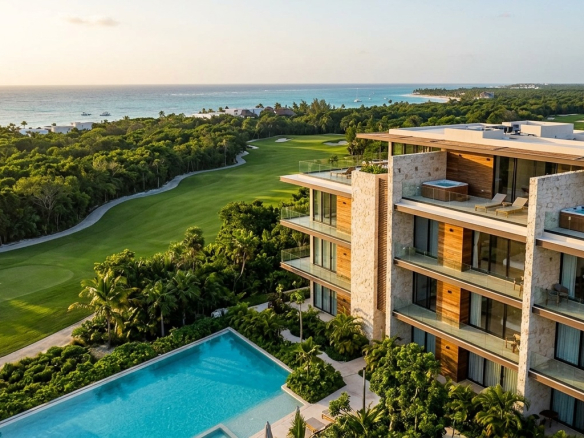
Condos dominate investment inventory. Studios and 1–2 bedroom layouts are common, with lock-off options allowing two rentable spaces via internal doors. Lock-offs increase flexibility: rent as a full 2BR, or split into a 1BR and a studio to boost occupancy. Buildings with staffed reception, consistent housekeeping, and co-working often achieve higher nightly rates and repeat bookings. Compare HOA dues against included services—front desk, security, common area A/C and elevators, reserve funds.
Villas
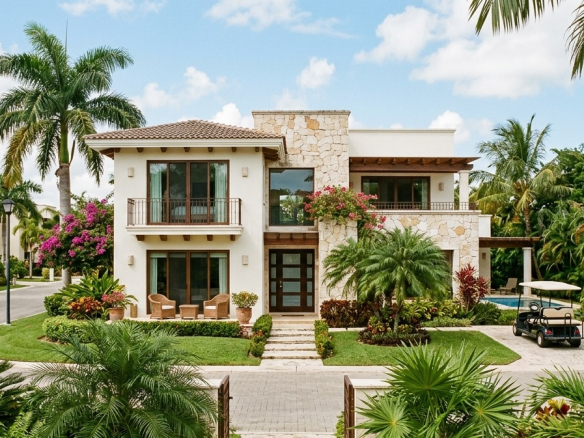
Villas win with privacy, outdoor areas, and private pools. They fit families and friend groups willing to pay a premium for space. Consider security (cameras, perimeter lighting), parking, and utility stability. If you’re aiming at retreats or weddings, check noise rules and neighbor density. A well-landscaped courtyard and outdoor kitchen move the needle on ADR.
Boutique multi-unit buildings
Small buildings (4–12 keys) appeal to investors seeking a brandable asset. You’ll juggle licensing, staffing, and marketing, but you’re not reliant on one HOA. Confirm whether your lot’s zoning and municipal permits support hybrid hospitality. Underwrite payroll, housekeeping, linens, and channel costs. Direct-booking strategy plus OTA optimization is key.
Jungle lots
Raw land can be compelling, yet risky without rigorous checks. Validate title, land use (uso de suelo), environmental constraints, access roads, and utilities plans. Many eco builds run solar-hybrid systems, rainwater capture, and biodigesters. Budget roadwork and water storage—those line items get underestimated.
The beach and federal maritime-terrestrial zone
You do not “own” the beach in Mexico. The coastal strip is federally regulated under the maritime-terrestrial zone (ZOFEMAT). Beachfront properties may hold concessions to use certain areas, with strict rules on structures, vegetation, and public access. Beach hotel zone acquisitions face additional due diligence and higher operating complexity. Factor sargassum season cleanup costs, which vary by frontage and municipality support.
Pre-construction versus delivered
- Upside: Lower entry price, staged payments, and fresh amenities that photograph well. Early-bird tiers may offer meaningful equity on delivery.
- Risks: Delivery timing, finish levels, and HOA effectiveness. Request and inspect a full spec list, render-to-reality examples from prior builds, and a firm penalty/exit framework if timelines slip.
- Practices: Tie payments to milestones (foundation, structure, rough-ins, delivery). Always use escrow. Bring your own inspector at delivery; produce a punch-list and hold back funds if possible until fixes are complete.
Amenities and HOA impact
Elevators, rooftop pools, co-working areas, and strong on-site management can add 10–30% to achievable ADRs compared to similar units without them. But they raise HOA fees and long-term capex. Ask for:
- The last 12–24 months of HOA budgets and actuals
- Reserve study or capex plan for elevators, pools, waterproofing
- Rules on rentals, noise, pets, and renovations
- Insurance carried by the HOA (and what is not covered)
Buying process and legal
Restricted zone and how foreigners hold title
Tulum lies within Mexico’s “restricted zone” (50 km from the coast), so foreigners typically use:
- A bank trust (fideicomiso): A Mexican bank holds legal title for your benefit. You retain full rights to use, lease, mortgage, sell, or will the property. See the Mexican Foreign Ministry’s overview at the SRE: “Fideicomisos para adquirir bienes inmuebles en zona restringida.” Details and process: gob.mx/sre.
- A Mexican company: Useful for multi-unit or commercial activity. Requires corporate compliance and tax filings. Choose this with proper legal and tax advice.
Both options are common. Your notario and counsel will advise which structure fits your plan.
Title verification and the notario público
A notario público in Mexico is a senior attorney appointed by the state, responsible for validating the legality of your real estate transfer and registering it. They:
- Verify seller authority and clean title
- Check certificates of non-encumbrance and liens
- Confirm cadastral records and property boundaries
- Collect and remit applicable taxes and fees
- Record the deed with the Public Registry (Registro Público de la Propiedad)
In Quintana Roo, ensure the deed is properly logged with the Registro Público de la Propiedad y del Comercio in the municipality. Your notario will handle the filing.
Avoiding ejido surprises
Some lands in Mexico belong to ejidos (communal agrarian holdings). Never proceed if a parcel shows ejido tenure risk unless it has been definitively regularized and documented. Your notario and attorney should confirm land tenure status with current certificates and municipal records. If anything is unclear, walk away.
Use escrow and earnest money norms
Escrow is common with reputable third-party providers. Avoid wiring earnest money directly to a seller or developer except under a formal escrow instruction. Typical practices:
- Earnest money: Often 5–10% of price into escrow at offer or Promise of Purchase agreement. Amounts vary by deal and market tempo. For pre-construction, staged deposits are the norm.
- Due diligence period: 10–30 days to review title, permits, HOA, and physical condition.
- Closing time: Around 45–90 days on resale; pre-construction follows delivery milestones.
Wire instructions must be verified verbally using known phone numbers before sending funds.
Step-by-step—from offer to keys
1) Define your structure: Fideicomiso or Mexican company (get tax advice early).
2) Offer and LOI: Include price, inclusions (furniture, inventory), timelines, contingencies.
3) Escrow setup: Open an escrow account; wire earnest money per verified instructions.
4) Notario + legal due diligence: Title chain, non-encumbrance, cadastral, HOA standing, permits, land tenure.
5) Purchase contract (promesa/compraventa): With clear timelines, penalties, and specs (for pre-con).
6) Appraisal and compliance checks: Required for closing calculations and registry.
7) Closing at the notario: Signatures, funds disbursed, taxes paid; deed recorded at the Registro Público.
8) Post-closing: Utility changes, HOA registration, trust activation, insurance bound.
For general cautions on purchasing property, review the U.S. Embassy advisory.
Permits and environmental checks
For raw land and new builds, confirm:
- Land use (uso de suelo) aligned with your intended density and use
- Environmental clearances (e.g., MIA where applicable)
- Construction license and adherence to municipal rules
- Setbacks and protected vegetation
- ZOFEMAT issues if near the coast
Independent environmental and engineering reviews are well worth the fee.
Financing, taxes and costs
How purchases are financed
- Cash: Most common, especially for resale condos and villas.
- Developer financing: Often in pesos or USD, short-term (e.g., 12–48 months), sometimes interest-free for the earliest tiers with larger down payments; specifics vary widely. Ensure the schedule aligns with construction milestones and add default protections.
- Cross-border or specialty lenders: Available, typically higher rates and documentation-heavy. Compare APRs, fees, and prepayment terms in writing.
Get a currency plan if paying in USD while the deed reflects pesos. Use a licensed FX provider to manage rate risk.
Closing costs (typical components)
Ranges vary by price, structure, and municipality. As a planning baseline, many buyers set aside roughly 4–8% for total closing costs on a resale. Your notario will give a formal quote. Expect:
- Notary fees
- Acquisition/transfer tax (state-level; Quintana Roo applies an acquisition tax—ask your notario for the current rate)
- Title search and certificates
- Appraisal (avalúo)
- Bank trust (fideicomiso) setup and first-year fee (if applicable)
- Registration fees
- Escrow and legal fees
Annual trust fees usually run a few hundred to around a thousand USD depending on the bank and service level.
Annual property tax and routine costs
- Predial (property tax): In Tulum, assessed values are modest versus North American norms, so annual taxes are comparatively low. Many condos are only a few hundred USD equivalent per year, but confirm by unit.
- HOA: Strongly tied to services. Elevators, front desk, and large pools cost more; ask about reserve funding.
- Utilities: Electricity (CFE) can be meaningful with A/C use. Water service can be municipal or trucked; many buildings operate RO/UV systems. Internet quality differs by block; ensure fiber or quality wireless options.
Selling or renting—tax basics
- Selling: Impuesto Sobre la Renta (ISR) on gains applies; calculations depend on residency, deductions, and documentation. Non-residents may face withholding on gross or net gain depending on elections and notario review. See SAT resources on ISR for property sales: SAT—ISR enajenación de bienes.
- Renting: Short-term rental income is taxable. Depending on your structure and platform usage, IVA (VAT) and ISR may apply with platform withholding rules. Work with a Mexican accountant for registration and monthly filings. SAT’s rental information is here: SAT—Arrendamiento.
- Lodging tax: Quintana Roo’s Impuesto al Hospedaje is state-level; verify the current Tulum rate (often around 5%). Platforms or managers may collect and remit, but owners must confirm compliance.
Speak with a bilingual CPA who handles Riviera Maya rentals. Correct setup from the start saves headaches later.
Insurance and reserves
- Property insurance: Cover hurricane/wind, flood where relevant, liability for guests, and landlord coverage. If in a condo, clarify what the master policy covers (usually shell/common areas) and what your HO-6 style policy must cover.
- Reserves: Budget for AC maintenance swaps, waterproofing, pool equipment, linens, small appliances, and smart-lock replacements. A common rule is to hold 1–2% of property value annually, plus a separate “turnover & FF&E” reserve.
Income, management and sustainability
Underwriting without wishful thinking
Use a simple, transparent model and keep your assumptions conservative. A basic sheet should include:
- Nights booked per month by season (high, shoulder, low)
- Average nightly rate (ADR) by season
- Platform fees and payment processing
- Management fee (often 20–30% of gross bookings for full-service STR management)
- Cleaning fees (owner-paid or guest-paid)
- Utilities (seasonally adjusted for A/C)
- HOA, insurance, local taxes, accounting
- Maintenance and reserves (monthly)
- Occupancy tax and VAT as applicable
Step-by-step to build it:
1) Gather comps from at least 5–10 similar units in the same micro-area with similar amenities. Adjust for differences like rooftop pool, elevator, parking, and front desk.
2) Set high season (Dec–Apr) occupancy and ADR; shoulder (May–Aug, Nov); low (Sep–Oct) with realistic dips.
3) Add 10–15% contingency to expenses; lower ADR by 5–10% from best comps to stress test.
4) Insert management fee quotes (compare two options).
5) Include an owner-stay budget and blocked days.
6) Run best/base/worst cases. Only proceed if base case meets your target yield.
If you’re comparing neighborhoods, our take on Tulum investment properties for sale outlines what typically drives absorption and rental velocity in each zone.
Seasonality patterns you should expect
- High season: Late December to Easter drives top ADRs and near-peak occupancy. Holiday dates book early.
- Shoulder: May–August has steady demand from families and remote workers; ADRs moderate.
- Low: September–October is rainier and quieter. Good for maintenance and refreshes.
- Sargassum season: Usually spring into summer; beachfront demand can dip while town and jungle properties hold better. Communicate clearly in listings and provide sargassum-aware activity suggestions.
Noise can be a factor on some blocks with nightlife or new construction. Ask managers for a candid read by street, and inspect at different times of day.
Professional management matters
A reliable manager is the difference between stellar reviews and a revolving door of complaints. What to request:
- A sample monthly owner statement with line-item expenses and payouts
- Average response times and a staffed guest messaging schedule
- Preventive maintenance plan and vendor list
- Compliance support: municipal permits, lodging tax filings, signage rules
- Inventory checklist and replenishment standards
- Revenue management approach (minimum stays, length-of-stay discounts, orphan-night fills)
Agree in writing on photography standards, listing ownership, dynamic pricing tools used, and content updates. Retain admin access to your listing profiles.
Furnishings and durability in a jungle climate
Choose finishes and furniture that handle humidity and salt air:
- Inverter A/Cs, ceiling fans, and dehumidifiers to control moisture and power use
- Treated hardwoods or composites; avoid cheap veneers
- Outdoor fabrics rated for UV and mildew
- Porcelain tile or sealed microcement to reduce maintenance
- Removable, washable slipcovers and mattress encasements
- Corrosion-resistant fixtures; marine-grade hardware where possible
Set aside 5–10% of your initial furniture budget for first-year tweaks after real-world guest use.
Water, wastewater and waste
- Water: Many buildings use municipal water plus cisterns. Add point-of-use filtration and UV if needed; guests value potable water stations.
- Wastewater: Biodigesters or septic systems must be sized correctly and serviced on schedule. Poorly managed systems lead to odors and bad reviews.
- Solid waste: Work with your manager to set sorting and pickup routines. Local recyclers exist; clear signage helps guests comply.
Energy efficiency and resilience as value-add
Energy and resilience upgrades not only reduce bills, they also boost reviews:
- Solar PV with grid-tied or hybrid inverters; battery backup for outages
- Motion sensors and smart thermostats to curb A/C misuse
- High-SEER inverter mini-splits and sealed building envelope improvements
- Low-flow fixtures; drip irrigation with native plants
- Surge protection and whole-home voltage regulators for CFE fluctuations
Document your upgrades in the listing. Travelers notice, and so do future buyers.
Permits and compliance for rentals
Municipal permits for operating short-term rentals may be required and can change over time. Your manager or attorney should confirm local licensing, safety equipment standards (fire extinguishers, signage), and guest registration processes. Keep digital copies of your permit, RFC tax ID, and filings. Build a compliance calendar with renewal dates and responsible parties.
Simple tools and templates you can use
- Underwriting spreadsheet: A Google Sheet with inputs for ADR, occupancy by month, manager fee, HOA, utilities, cleaning, taxes, reserves, and a sensitivity tab. Duplicate for each candidate property.
- Due diligence checklist: Title docs, no-lien certificate, cadastral map, HOA bylaws and budgets, last 12 months of financials, reserve plan, insurance certificate, utility bills, rental permit status, appliance list, punch list (if pre-con).
- Turnover checklist: Cleaning SOPs, linens inventory, amenity restocks, smart lock codes rotation, A/C filter schedule, humidity checks.
- Photo and listing checklist: Must-have angles (primary bedroom, living area wide shot, kitchen, all baths, balcony/pool, building amenities), plus night lighting shots and floor plan overlays if available.
A quick how-to for selecting a property in Tulum
1) Map your guest avatar: Couple, family, or group? Walkability or privacy?
2) Shortlist micro-areas: Compare Aldea Zama vs La Veleta vs Region 15/8 on infrastructure, vibe, and ADRs.
3) Decide property type: Condo (amenities, easier ops) versus villa (privacy, higher maintenance) versus boutique (operations-focused).
4) Pick pre-con or delivered: If pre-con, vet developer track record and tie payments to milestones with escrow.
5) Build your base-case model: Insert conservative ADR/occupancy, add all-in monthly costs.
6) Validate with a manager: Get two quotes and ask for comp sets and honest projections.
7) Structure and tax: Fideicomiso or company—loop in a CPA and notario now.
8) Offer + escrow: Use a buyer’s broker to negotiate inclusions and timeframes; wire only to verified escrow.
9) Due diligence: Title, HOA, permits, land tenure, environmental. If anything’s off, renegotiate or exit under your contingencies.
10) Finish strong: Professional photos, polished listing copy, clear house rules, and a first 90-day pricing plan to build reviews.
Where to check official information
- Fideicomiso process and permits (restricted zone): SRE—Secretaría de Relaciones Exteriores: gob.mx/sre—fideicomisos
- Taxes on property transfers and income: SAT—Servicio de Administración Tributaria: real estate sale ISR and rental tax pages linked above
- Public records: Work through your notario with the Registro Público de la Propiedad (Quintana Roo)
- Large infrastructure: Tren Maya updates at gob.mx/trenmaya
- General buyer cautions: U.S. Embassy property advisory
If you prefer curated options and local insight on where demand is actually converting this season, our team can walk you through real-time comps and recent closings across Aldea Zama, La Veleta, and the Region 15/8 corridor.
Conclusion
Buying in Tulum comes down to smart area choices, clean title, and rental planning. Key takeaways: use a fideicomiso & a notario, confirm permits, budget closing costs. When you want a steady hand, Buyplaya Real Estate Advisors is the premier real estate broker for foreign investors in Playa del Carmen, Tulum, and the Riviera Maya—over 20 years helping buyers of homes, condos, investment, beachfront & commercial in Mexico. Next steps: set budget, consult, tour.
Related Posts
- Tulum Mexico Investment Properties A Guide To Smart Buying
- Tulum Investment Properties For Sale A Simple Guide To Finding Your Dream Home
- All Tulum Listings
Frequently Asked Questions (FAQs)
How can foreigners legally purchase Tulum Mexico properties?
Foreign buyers typically use a bank trust (fideicomiso) or a Mexican company to hold title in the restricted zone. A licensed notario reviews title & records the deed with the public registry; you should verify land tenure to avoid ejido issues. Use escrow, align earnest money terms, and confirm permits and HOA rules. Closings often take 6–10 weeks, give or take.
Which areas and property types make the most sense for Tulum Mexico properties?
Popular zones include Aldea Zama for turnkey condos, La Veleta for value and growth, and Region 8/15 for low-density jungle living. Property types span lock-off condos, villas, boutique multi-unit, and serviced residences. Beachfront sits under strict federal maritime rules, so expect more red tape. Pre-construction can add value but may face delays or finish changes.
What total costs, taxes, and returns should I expect with Tulum Mexico properties?
Plan for closing costs (notary, transfer tax, trust setup if needed), usually about 4–8% of price. Annual predial is relatively low. If you rent, you’ll handle lodging tax and permits, plus income tax; on sale, Mexico’s ISR capital gains rules apply. Budget HOA & utilities, insurance, maintenance, furnishings. Net rental yields vary by location, seasonality, and management—run conservative numbers.
How does property management work for Tulum Mexico properties?
A solid manager handles guest vetting, check-ins, cleanings, basic repairs, and local compliance. They should track lodging tax filings, safety gear, noise rules, and building regs. Ask for transparent statements and dynamic pricing. In the tropics, plan for dehumidifiers, AC service, septic care, and durable finishes. Furniture packages help speed launches; set aside reserves, always.
Why choose Buyplaya for Tulum Mexico properties?
Buyplaya is the premier real estate broker for foreign investors in the playa del carmen, tulum, and riviera maya of Mexico. Successfully assisting clients for over 20 years purchasing homes, condos, investment, beachfront, and commercial properties in Mexico. We pair on-the-ground insight with careful title & permit checks, introduce trusted legal partners, and help you model realistic rental performance. For a smooth, secure process, start with Buyplaya.


Join The Discussion