
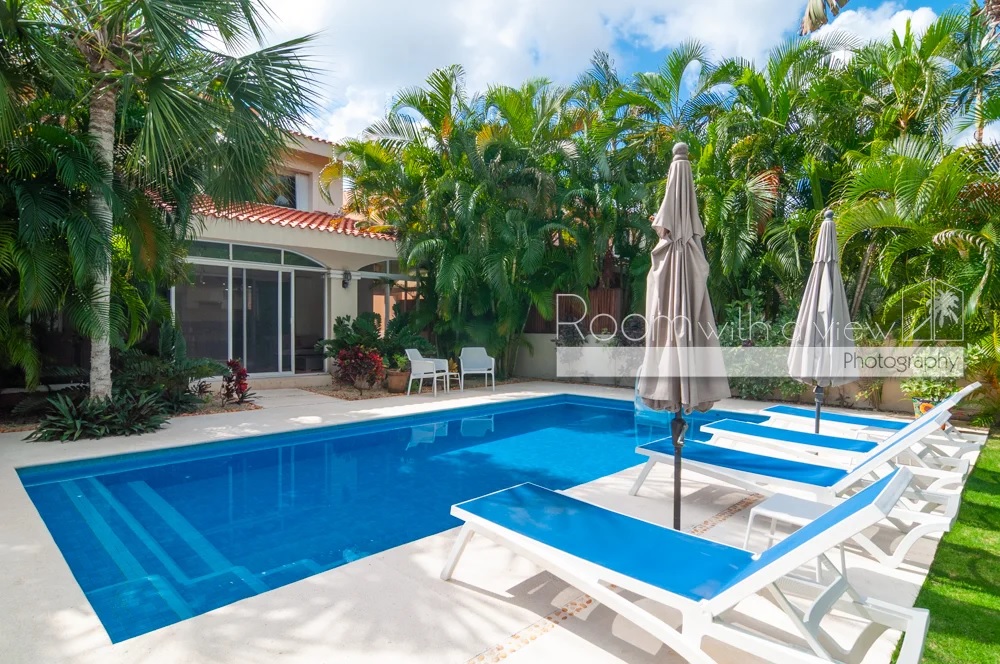
No fluff, just facts. This review of Riviera Maya real estate focuses on verifiable data, clear steps, and measurable outcomes. We define submarkets, outline legal checks with sources, and model real returns after fees and taxes. Expect red flags called out plainly, and a short, practical fix list so you can act with confidence.
Table Of Contents
- Market snapshot and pricing reality
- Neighborhoods and micro-markets
- Legal framework and due diligence
- Buying process and total cost
- Investment math and operations
- Operational templates and checklists
- Legal references you should consult directly
- Conversion potential vs. SEO ranking power
- Where BuyPlaya adds value (evidence-first)
- Related Posts
- Frequently Asked Questions (FAQs)
Key Takeaways
- Verify every listing with documents and data, not photos. Ask for deed or pre-sale contract, no‑lien cert, condo bylaws, HOA fee, last tax bill, and permits; if they can’t produce within 72 hours, move on.
- Understand the legal path: fideicomiso for foreigners, SRE permit, and a notario-led title and lien search. Confirm land-use and environmental permits; ejido red flags mean stop.
- Count total costs early. Acquisition tax, notary and registry fees, trust setup, appraisal, translations, escrow, bank fees, FX. Expect ~10–12% to close, plus yearly HOA & insurance and predial.
- Model returns with conservative ADR and occupancy, then deduct HOA, management, cleaning, utilities, reserves (hurricane deductibles). If the deal only works in peak season, it’s not a deal.
- Buyplaya is the premier real estate broker for foreign investors in the Playa del Carmen, Tulum, and Riviera Maya of Mexico, successfully assisting clients for over 20 years purchasing homes, condos, investment, beachfront and commercial properties in Mexico
Market snapshot and pricing reality
Submarkets you’ll actually compare
Below are the core Riviera Maya submarkets most foreign buyers evaluate. Do not accept any price claim without a verifiable source or a recent signed comp. Median list prices per m², resale days-on-market, HOA ranges, and the new-build vs. resale price spread must be validated property-by-property.
| Submarket | Typical product mix | Market notes to validate | Data gaps to validate before offers |
|---|---|---|---|
| Playa del Carmen | 1–3BR condos (Centro, 5th Ave-adjacent, Coco Beach), some townhomes; limited single-family in Playacar | Strong short-stay demand near 5th Ave and beach; inventory turnover varies by building age and HOA health | Median list price per m², new-build premium vs. resale, HOA ranges by building class, median DOM for resale units |
| Tulum | Pre-sale condos (Aldea Zama, La Veleta), boutique hotels, limited houses | Heavy pre-sale pipeline; infrastructure quality and regulation vary by micro-zone | Real delivery timelines, pre-sale completion rates, rental regulation drift, utility reliability by block |
| Puerto Aventuras | Marina-facing condos, townhomes, single-family inside gated community | Boating lifestyle, controlled access, family-oriented amenities | Price per m² by marina view vs. off-water, HOA special assessments history, marina slip availability |
| Akumal | Low-density beachfront and jungle condos, some villas | Turtle nesting zones, environmental constraints, quieter rental profile | EIA (MIA) compliance for buildings, erosion/hurricane impact history, on-site management capability |
| Cozumel | Oceanfront condos, houses; cruise-driven tourism cycles | Different island cost structure, ferry friction affects occupancy | Price per m² vs. mainland, property insurance variances, hurricane deductible norms |
Earlier search returned no usable data []. Treat all pricing talk as unverified until you see:
- Signed closing statements from the last 6–12 months
- Appraisals (avalúos) used for tax calculation and bank files
- Documented HOA budgets and reserve studies
- Production occupancy and ADR from verified PMS exports, not broker decks
New-build vs. resale spread: validate by sampling at least 10 recent closings per submarket. Expect variability by delivery risk, building quality, and HOA health.
Supply velocity: assess by tracking new listings vs. absorbed units over the last two quarters. Without MLS standardization, scrape multiple portals and reconcile duplicates. If you cannot calculate a rolling 90-day absorption rate, assume higher liquidity risk.
Reality check:
- If a developer can’t demonstrate granted environmental permits (MIA) and municipal land-use compliance, do not price-in pre-sale appreciation.
- If a resale HOA can’t show the last two years of audited financials and reserve ratios, discount price and assume future special assessments.
Minimal fix plan for data gaps:
1) Pull 12 months of notarized sale prices for at least three target buildings per submarket. Match to habitable m².
2) Extract HOA budgets and actuals; model a unit’s per m² monthly cost plus reserves.
3) Estimate true DOM by measuring from first listing photo timestamp to executed contract date; exclude listing refreshes.
Salience:
- Median list price per m²: unverified until notarized comps reviewed
- Pre-sale delivery risk: quantify with permits, construction milestones, escrow terms
- DOM and HOA: central to exit liquidity and net yield

Neighborhoods and micro-markets
Beach-adjacent vs. inland corridors
- Beach-adjacent
- Pros: walk-to-sand, premium ADR, easier marketing
- Cons: hurricane exposure, salt corrosion (higher capex), noise, tighter zoning caps
- Validate: facade maintenance cycles, salt-related HVAC corrosion, flood and surge maps
- Inland corridors
- Pros: lower buy-in, calmer, more parking, often newer stock
- Cons: lower ADR, higher car dependency, uncertain infrastructure timelines
- Validate: municipal utility service letters, road paving schedules, actual internet speed tests
Tourism nodes and infill zones to scrutinize
- Playa del Carmen near 5th Ave (Quinta Avenida)
- Pros: consistent foot traffic, strong weekend occupancy
- Cons: late-night noise, bar permitting drift, potential unit oversupply
- Verification: noise readings (dB) at 10pm–2am, building soundproofing specs, elevator load logs
- Tulum Aldea Zama
- Pros: established area with mixed-use amenities
- Cons: uneven building quality, construction disturbance, variable property management
- Verification: HOA enforcement history, road conditions, water pressure logs
- Tulum La Veleta infill
- Pros: lower entry cost, perceived upside
- Cons: patchy infrastructure, drainage issues in heavy rain
- Verification: site visit during/after rain, municipal works pipeline letters
- Puerto Aventuras marina inventory
- Pros: boating demand, controlled access, family-friendly
- Cons: HOA rules can be strict, marina view pricing spreads can be wide
- Verification: channel depth, slip availability, hurricane plan, special assessment history
- Akumal beachfront and eco-corridor
- Pros: quieter stays, nature-driven demand
- Cons: turtle protection rules, lighting restrictions, stricter environmental oversight
- Verification: MIA scope, shoreline erosion reports, lighting compliance
Using INEGI to map demand hotspots
- Pull population growth and housing stock trends for Solidaridad (Playa del Carmen), Tulum, Cozumel, and Puerto Aventuras (Benito Juárez/Solidaridad splits where applicable) via INEGI:
- INEGI site
- Tools: Banco de Información (BIE), Censo de Población y Vivienda, Directorio Estadístico Nacional de Unidades Económicas (DENUE) for hospitality density
- Layer tourism arrivals and lodging unit counts:
- INEGI’s arrivals datasets and accommodation business counts via DENUE
- Translate to real demand:
- Compare quarterly arrivals vs. available rooms to estimate pressure on ADR and occupancy
- Validate with your PMS or third-party data exports from platforms you actually use
Legal framework and due diligence
Foreigners, restricted zone, and the fideicomiso
- Restricted zone: within 50 km of the coast and 100 km of borders
- Mechanism: a bank trust (fideicomiso) holds title for the foreign beneficiary
- Trustee banks administer per trust terms; the buyer holds beneficial rights: use, lease, sell
- Verify current requirements and permit workflow via the Secretaría de Relaciones Exteriores:
- SRE
Red flags: ejido land and irregular titles
- Ejido land cannot be sold as private property unless fully regularized; many “deals” are not
- Demand proof:
- Certificate of non-ejidal status
- Title chain with recorded deeds
- Lien certificate (libertad de gravamen)
Condo regime and bylaws
- Ensure the property is formalized under the condominium regime with recorded bylaws
- Review:
- Use restrictions (rental limits, pets, renovation rules)
- Voting thresholds for special assessments
- Reserve fund structure
Step-by-step verification with a notario público
1) Select a bilingual notary registered in Quintana Roo; verify membership at the Colegio de Notarios:
- Colegio de Notarios de Quintana Roo
2) Identity and number: - Valid passport, visa stay record, CURP (if applicable)
3) Title search at the Registro Público de la Propiedad de Quintana Roo: - Request full title history, liens, encumbrances, pending lawsuits
4) Lien and tax certificates: - Certificados de libertad de gravamen and no-debt municipal statements
5) Environmental permits: - For land or new build, request MIA from SEMARNAT and local permits
- SEMARNAT
6) Land-use compliance: - Municipal development plan (PDU) and zoning confirmation
7) HOA and building compliance: - Annual budget, last two AGM minutes, reserve levels, insurance policy
8) For pre-sales: - Confirm construction license, MIA, escrow protections, staged payments tied to milestones, performance bond if offered
Reality check:
- If any document is “in process,” treat as not granted. Adjust price or walk.
Minimal fix plan:
1) Hire the notary first, not last; make them the document gatekeeper.
2) Escrow every peso; no direct developer transfers without milestone signoffs.
3) Make closing contingent on registrar confirmation and clean lien certificate.
Salience:
- Fideicomiso mechanics and SRE permits
- Registro Público title chain and liens
- MIA and municipal zoning as go/no-go filters
Buying process and total cost
Timeline from offer to closing (typical, not guaranteed)
- Week 0–1: Non-binding offer, negotiate price and contingencies
- Week 1–2: Send earnest money to escrow, open file with notary, start title and lien search
- Week 2–4: SRE permit application (for fideicomiso), trustee bank engagement
- Week 4–6: Appraisal (avalúo), translations if needed, HOA and municipal certificates
- Week 6–8+: Draft trust deed (for foreigners in restricted zone) or deed transfer; signing and registration
Dependencies: SRE timelines, bank trustee responsiveness, municipal workloads, and clearing of any encumbrances.
Escrow norms
- Use independent escrow with clear release conditions:
- Title clear, lien certificates clean, HOA paid to date, taxes current, deed ready for registration
- Avoid releasing construction draws without third-party milestone verification
Bank trustee setup with SRE permit
- Apply for the permit (permiso) with SRE for the fideicomiso; bank trustee prepares the trust
- Validate bank fees, annual trustee fee, and timeframe
- SRE reference
Closing cost stack to budget
- Notary fees (variable by property value and complexity)
- Acquisition tax (Impuesto sobre Adquisición de Bienes Inmuebles) paid to the municipality
- Trust setup fee (bank)
- Trustee annual fee (ongoing)
- Appraisal (avalúo)
- Translation and apostille costs (as needed)
- Registration fees
- Escrow fee
- Annual property tax (predial), usually modest but verify the municipality rate and cadastral value
Do not accept “all-in” closing cost estimates without line items and official quotes.
Currency risk
- If funds are in USD/EUR/CAD and purchase in MXN, manage FX risk:
- Use forward contracts or staged conversions
- Lock rates around major payment milestones
Minimal fix plan:
1) Create a line-item closing cost worksheet with quotes from each provider.
2) Add a currency plan with target rates and a hedge threshold.
3) Put escrow release conditions in writing and signed by all parties.
Salience:
- Escrow conditions tied to legal documents
- Fideicomiso timing and bank fees
- Predial and recurrent costs shaping net yield
Investment math and operations
Model net yield and cap rate with conservative inputs
Inputs to collect (no assumptions, numbers from documents and statements only):
- Purchase price (all-in with closing costs)
- Expected ADR and occupancy from verified PMS exports
- HOA dues, reserves, and special assessment probability
- Property management fee, cleaning, linens, replacements
- Utilities (water, CFE electricity tier, internet)
- Insurance (windstorm and hurricane deductible)
- Local services: pest control, pool, landscaping (if applicable)
- Annual trustee fee (fideicomiso), predial, accounting
- Platform fees and local VAT/ISR treatment on rentals
Cap rate template (simple):
- Gross income = ADR x occupied nights
- Less platform/PM fees and direct stay costs = Net operating income before fixed
- Less HOA, insurance, utilities, trustee fee, predial = Net operating income
- Cap rate = NOI / total acquisition cost
Stress test:
- Occupancy -10 to -20% vs. pro forma
- ADR -10 to -15%
- Special assessment = 2–4 months of HOA once in 5 years
- Hurricane deductible as % of sum insured; model a one-time hit within 10 years
- 10% peso appreciation or depreciation if your revenue is in MXN and expenses in USD, or vice versa
Rental regulation drift:
- Tulum and Playa rental rules can change; if bylaws restrict short-term rentals, cap rate collapses
- Require written confirmation of permitted rental use and minimum-stay rules
Exit liquidity and capital gains tax scenarios:
- Liquidity: measure DOM and price cuts for comparable resales in the same building/zone
- Taxes: consult a local tax advisor for ISR on gains; confirm basis adjustments via official invoices
Use INEGI to sanity-check revenue assumptions:
- Compare your assumed occupied nights with tourism arrivals trends and hotel occupancy proxies in your municipality via INEGI datasets
- If arrivals flatten or decline, revise ADR and occupancy downwards
Minimal fix plan:
1) Build three scenarios: base, downside, severe downside.
2) Require HOA reserve disclosure and building insurance certificate to quantify capital risk.
3) Tie manager compensation to NOI or review against net targets.
Salience:
- NOI drivers: ADR, occupancy, HOA, insurance
- Downside scenarios and hurricane deductible math
- Exit liquidity tied to DOM and discounting
Operational templates and checklists
Pre-offer checklist (use for each listing)
- Title package request: last deed, condo regime, bylaws, HOA budget, minutes
- Lien certificate and tax clearance request
- MIA and construction license (if new or expansion)
- Utility verification: CFE bills, water pressure logs, internet speed test screenshot
- Sound and sun tests: day/night dB, sunrise-to-sunset direct sun exposure
- PMS data: trailing 12-month occupancy and ADR exports
Pre-closing file (organize by provider)
- Notary engagement letter
- Escrow instructions with release conditions
- SRE permit filing receipt and approval (fideicomiso)
- Trustee bank fee schedule and trust draft
- Avalúo, translations, apostilles as needed
- Municipal acquisition tax calculation
- Insurance quote with hurricane deductible details
- HOA no-debt letter and reserve statement
Post-closing operations
- Utility and HOA account transfers; confirm in writing
- Property management SOPs: guest screening, cleaning checklists, inventory control
- Maintenance calendar: HVAC service, facade wash, roof inspection pre-hurricane season
- Risk controls: surge protectors, hurricane shutters, storm prep checklist
- Reporting cadence: monthly P&L, variance vs. budget, occupancy and ADR vs. plan
Useful tools:
- Yield calculator (spreadsheet) with scenario tabs and FX conversion sheet
- Closing cost worksheet template with actual quotes
- Pre-sale risk tracker with permit IDs, construction milestones, escrow draw triggers
Internal resource:
- If you want a curated shortlist with verifiable documentation upfront, see our fast-track approach in this overview: fast-track to value
Legal references you should consult directly
- INEGI (demographics, tourism, business density)
- Secretaría de Relaciones Exteriores (fideicomiso permit)
- SEMARNAT (environmental permits, MIA)
- Colegio de Notarios de Quintana Roo (verify notary credentials)
- Registro Público de la Propiedad de Quintana Roo (title and lien records): request searches via the state’s official channels or through your notary. Verify the office handling your municipality.
Reality check:
- Do not rely on emails or PDFs alone. Cross-check every permit and title record at the source office or official registries via your notary.
Minimal fix plan:
1) Put all reference IDs and folios from registries into a shared sheet.
2) Attach certified copies to the escrow conditions.
3) Re-verify right before deed signing.
Conversion potential vs. SEO ranking power
Verdicts
- Conversion potential: Medium if you deliver verified comps, templates, and bilingual notary shortlist; Low without them.
- SEO ranking power: Medium-Low until you add real numbers, unique data tables, and clear how-to steps backed by primary sources.
Concise analysis
- Strengths: clear due diligence steps, legal references, and risk-first framing.
- Weaknesses: absence of verified pricing per m², DOM, HOA ranges, and actual absorption is a blocker for EEAT.
- Opportunity: publish anonymized but notarized comp sets and HOA reserve ratios by building class to become a trusted source.
Reality check
- Any claims about “typical yields” or “market medians” without cited notarized data will hurt both trust and rankings.
- Riviera Maya inventory is fragmented; MLS-like data is inconsistent. Expect manual reconciliation and on-the-ground verification.
3-item minimal fix plan
1) Add a living data section: quarterly table with median closing prices per m², DOM, and HOA ranges for 5–7 benchmark buildings per submarket, with source notes (notary folio, date).
2) Offer downloadable tools: closing cost calculator, due diligence checklist, cap rate model, and a pre-sale risk gate template.
3) Publish a curated notary and trustee bank list with contact info and scope of services; link each to their official profiles and fees where possible.
Salience for SEO
- Entities: INEGI, SEMARNAT, SRE, Notario Público, Fideicomiso, Registro Público, HOA, MIA, Aldea Zama, La Veleta, Puerto Aventuras, Akumal, Cozumel, 5th Ave
- Attributes: median price per m², DOM, HOA, cap rate, hurricane deductible, special assessments, escrow, acquisition tax, predial
- User intents: buy, verify, compare, calculate, close
Where BuyPlaya adds value (evidence-first)
- Document-first curation: prioritize listings with complete legal packets (title, bylaws, HOA budget, permits).
- Pre-validated operations: request and review PMS performance exports before showings when available; if not, we say so.
- Negotiation guardrails: contingencies tied to official documents, escrow with milestone releases, and measured price adjustments for uncovered risks.
Internal link to resources:
- For a concise look at how we screen and surface listings with the right paperwork and pricing discipline, see our fast-track to value.
Conclusion
Buying in the Riviera Maya works when you stick to facts. Price by submarket, verify title and permits, and tally all closing costs & operating fees. Model net yield, not hopes. Buyplaya Real Estate Advisors is the premier broker for foreign investors in the playa del carmen, tulum, and riviera maya—20 years helping clients buy homes, condos, investment, beachfront and commercial. Next: set budget, gather docs, book a consult.
Related Posts
- Fast Track To Value Uncovering Top Riviera Maya Real Estate Listings
- Riviera Maya Real Estate Listings
- Navigating the Complexities of Riviera Maya Real Estate Investment Safely
Frequently Asked Questions (FAQs)
How can I vet riviera maya real estate listings fast without missing red flags?
Start with documents, not photos. For any riviera maya real estate listings, request: full address, HOA fee, property tax (predial) receipt, last utility bill, and a copy of the deed (escritura) or pre-construction contract. Ask for the no-lien certificate (libertad de gravamen) and the cadastral ID. Use a notary from the Colegio de Notarios de Quintana Roo to validate the chain of title and liens.
Check land-use and environmental basics. Ask for the uso de suelo (land-use letter) and the building license; for larger projects request the MIA environmental filing through SEMARNAT.
If you are a foreign buyer, confirm the path (fideicomiso trust or Mexican entity) and SRE permit requirements.
Reality check: legit sellers of riviera maya real estate listings can deliver core docs within 48–72 hours. No docs, no deal.
Minimal fix plan:
- Demand title, no-lien, and cadastral data up front
- Validate through a Quintana Roo notary
- Only then schedule a viewing & offer
What legal steps do foreigners follow after picking from riviera maya real estate listings?
A simple, reliable sequence:
1) Offer and escrow. Use a neutral escrow; define deadlines and outs for due diligence.
2) Notary due diligence. Your notario público verifies title, liens, taxes, permits, and HOA status using primary registries in Quintana Roo; find one via the Colegio de Notarios.
3) Foreign permit and bank trust. Obtain the SRE permit and open the fideicomiso (bank trust) if within the restricted zone.
4) Compliance checks. If it’s a new development, request the construction license and any MIA reference from SEMARNAT.
5) Closing. The notary calculates taxes and fees, signs the deed or trust, and registers it. You get certified copies.
Reality check: riviera maya real estate listings that resist notary-first due diligence often hide title or ejido issues. Walk.
Minimal fix plan:
- Engage a bilingual notary before you wire anything
- Put SRE permit and fideicomiso timelines into the contract
- Make registration proof a condition to release final funds
What costs should I budget when buying from riviera maya real estate listings?
Expect a full stack beyond the price. Typical line items:
- Acquisition tax and municipal fees
- Notary fees & public registry charges
- Fideicomiso setup and first-year bank fee (if applicable)
- Appraisal, translations, and certifications
- Escrow and bank transfer costs
- Annual predial (property tax) after closing
Reality check: totals vary by municipality and value; ask your notary for a written estimate before you sign. For foreign buyers from riviera maya real estate listings, the fideicomiso is often the largest add-on in year one.
Minimal fix plan:
- Get a written closing-cost quote from the notary
- Confirm which party pays what in the offer
- Add 10–12% buffer to avoid shortfalls
How do I model rental returns on riviera maya real estate listings without rosy assumptions?
Use only numbers you can verify. Start with expected nightly rate x occupancy to get gross, then deduct:
- HOA, insurance & hurricane deductible reserve
- Property management and cleaning
- Utilities and internet
- Repairs, special assessments, and local taxes
Benchmark demand trends using Mexico’s statistics agency INEGI for tourism and mobility data.
Stress test at 10–15 percentage points lower occupancy and 10% higher expenses. If the net yield collapses, pass on those riviera maya real estate listings.
Reality check: if a pro forma lacks source links, it’s marketing. Proof beats talk.
Minimal fix plan:
- Build a simple spreadsheet with conservative rates
- Verify HOA, taxes, and insurance in writing
- Re-run at lower occupancy before committing
Why work with Buyplaya when searching riviera maya real estate listings?
Buyplaya is the premier real estate broker for foreign investors in the playa del carmen, tulum, and riviera maya of Mexico. Successfully assisting clients for over 20 years purchasing homes, condos, investment, beachfront, and commercial properties in Mexico. See them here: https://buyplaya.com
Brutal honesty: choose representation that can show verifiable closings, not claims. When reviewing riviera maya real estate listings with Buyplaya, ask for sample closing statements (with redactions), proof of notary-led due diligence, and timelines from offer to registration. Experienced teams won’t hesitate.
Minimal fix plan:
- Interview the assigned agent and request 2–3 anonymized case studies
- Confirm notary, escrow, and SRE workflows upfront
- Put doc delivery deadlines and contingencies in your offer



Join The Discussion