
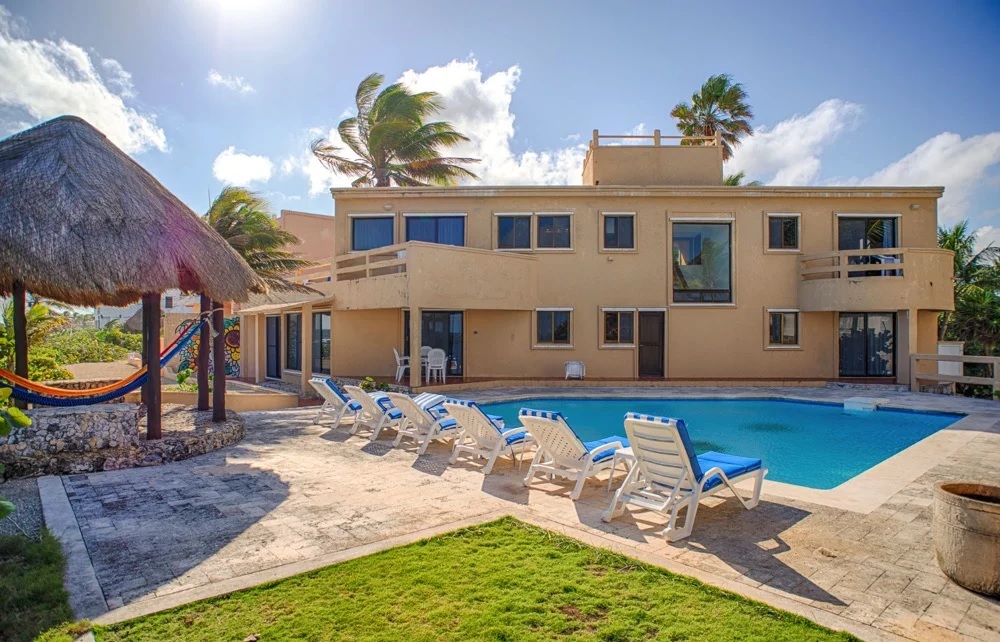
Searching for Mexico vacation homes for sale? This overview cuts through the noise with clear hotspots, realistic budgets, and the basics of buying as a foreigner. You’ll learn what to expect on closing costs & timelines, how rentals work, and which factors matter most—so you can move from dreaming to confident action.
Table Of Contents
- Market Snapshot and Hot Spots
- Ownership Options and Legal Basics
- Financing, Taxes & Ongoing Costs
- Buying Steps and Timeline
- Regulations and Rental Strategy
- Ownership Templates and Tools You Can Use
- How a Local Broker Reduces Risk and Time
- Helpful references and where to verify details
- Conclusion
- Related Posts
- Frequently Asked Questions (FAQs)
Key Takeaways
- Hot spots and prices: Riviera Maya (Playa del Carmen, Tulum), Los Cabos, and Puerto Vallarta–Bahía de Banderas lead demand; condos often ~$180k–$350k USD, villas $500k+ near prime beaches. Oceanfront and walkability drive premiums; typical short-term rentals can see ~4–8% gross where allowed.
- Legal basics: in coastal “restricted zones” foreigners buy via a bank trust (fideicomiso). Close with a Notario Público, confirm clean title, liens, zoning, and condo bylaws; expect ~5–8% closing costs (incl. ~2% acquisition tax) and consider optional title insurance.
- Taxes and upkeep: if renting, get an RFC and issue e‑invoices; property tax (predial) is usually modest ~0.1–0.3%. Budget HOA, insurance, utilities, routine maintenance & the annual bank‑trust fee; professional management often runs 20–30%.
- Process and timeline: set budget and lifestyle must‑haves… preview homes, make an offer with a promissory, fund escrow, allow 10–20 business days for due diligence, then close at the notary. Deed/trust issuance may take 4–8 weeks; do a walkthrough, furnish, and onboard management.
- Buyplaya is the premier real estate broker for foreign investors in the Playa del Carmen, Tulum, and Riviera Maya of Mexico — successfully assisting clients for over 20 years purchasing homes, condos, investment, beachfront, and commercial properties in Mexico.

Mexico Vacation Homes for Sale: Smart Moves for Today’s Buyers
Market Snapshot and Hot Spots
Across key destinations, ballpark price bands look like this:
- Condos: approximately $180,000–$350,000 USD in non-oceanfront buildings; premiums for beachfront and top amenity packages
- Villas: generally $500,000 USD and up
- Rental yields: roughly 4–8% where nightly rentals are allowed and professionally managed
- Demand driver: new-build amenities, walkability to services, and proximity to beaches
Below are the top areas buyers compare first.
Riviera Maya: Playa del Carmen and Tulum
Riviera Maya continues to attract a large share of first-time and repeat foreign buyers. Playa del Carmen is known for walkable, service-rich neighborhoods (5th Avenue and beach clubs nearby). Tulum offers design-forward condos, boutique hotels next door, and jungle-chic villas with well-curated amenities.
What to know:
- Price bands: condos typically start in the high $100s and rise with amenity sets; villas often begin around the $500s, more for private pools or premium lots
- Oceanfront premiums: expect a notable uplift for direct beachfront or unblocked ocean views, especially in boutique buildings
- Seasonal occupancy: high season roughly December–April; shoulder seasons can stay busy in well-managed buildings with great amenities; summer benefits from domestic travel and extended-stay digital nomads
- Rental yields: owners who allow professional management and invest in design, lighting, and photography tend to land in the 4–8% range
- HOA considerations: amenities-heavy developments can have higher monthly dues; ask for the last 12 months of HOA financials and budget, the reserve fund, and any known special assessments
- Days on market: varies—preconstruction may sell in phases; resales in sought-after buildings can move fast if priced correctly; ask your agent for an apples-to-apples DOM snapshot by bedroom count and building age
- Beach and services: verify distance by foot, bike, or shuttle; also map clinics, grocery, and gyms you’ll actually use
Tip: For current Tulum inventory and new releases, review live listings with a reputable local broker. See curated options here: Tulum real estate for sale.
How local expertise helps:
- BuyPlaya Real Estate Advisors has worked with foreign buyers in Playa and Tulum for 20+ years—meaning vetted developers, transparent HOA disclosures, and realistic rental comps, not only brochure promises.
- When a search looks empty, they’ll often have insider updates on upcoming inventory and price improvements.
Los Cabos and the Corridor
Los Cabos (Cabo San Lucas, San José del Cabo, and the Corridor) is popular with West Coast travelers. The market offers golf communities, marina access, and a wide spectrum of full-service resorts. Many communities enforce stronger design and rental standards, which can benefit resale but may limit certain rental strategies.
What to know:
- Price bands: you’ll see condos entering around the high $100s in non-beachfront corridors, with notable jumps for ocean views; villas often start above the $500s
- Amenities: golf, marina, and branded resorts lead to higher HOAs; however, those amenities can drive occupancy in high season
- Rental rules: stricter HOA policies in some gated communities—confirm minimum stay rules, guest cap, and quiet hours early
Puerto Vallarta–Bahía de Banderas
Puerto Vallarta, Nuevo Vallarta, Bucerías, and Punta de Mita offer a mix of classic Mexican charm and resort living. The bay reduces large swells—often great for families—and the Malecon and Zona Romántica provide walkable city life.
What to know:
- Price bands: again, condos starting around the high $100s in non-oceanfront settings; villas generally $500k+; ocean and Malecon proximity push prices upward
- HOA and services: mid-rise buildings with rooftop amenities are common; verify elevator maintenance, hurricane shutters, and flooding history in older buildings
- Seasonal occupancy: winter high season is strong; summer retains appeal due to city amenities and cultural events
Side-by-Side Snapshot
| Area | Typical condo band (non-oceanfront) | Villas | Rental yields (where permitted) | Demand drivers | Key notes |
|---|---|---|---|---|---|
| Riviera Maya (Playa del Carmen, Tulum) | ~$180k–$350k | $500k+ | ~4–8% | Walkability, cenotes, design-focused new builds | Ask for HOA financials; verify tourist-use zoning |
| Los Cabos & Corridor | ~$180k–$350k (higher for views) | $500k+ | ~4–8% | Golf, marina, branded resort proximity | HOA rules may be stricter; budget for golf or beach club fees |
| Puerto Vallarta–Bahía de Banderas | ~$180k–$350k | $500k+ | ~4–8% | Bayfront living, Malecon, city culture | Older buildings: check elevator/roof; confirm flood history |
Note: Oceanfront and top-tier amenities can significantly exceed these bands, especially in boutique or branded residences.
Quick checklist: choosing your area
- Identify your top 3 use-cases: personal vacation, short-term rental, extended winter stays
- Map a 15-minute radius around beaches, groceries, clinics, and favorite restaurants
- Compare HOA rules for short-term rentals; note minimum stays and guest caps
- Ask for rental comps by bedroom count and building age, not just by ZIP code
- Take a night walk: check noise, lighting, and street access after dark
- Confirm new infrastructure or road projects that could change traffic flow
Ownership Options and Legal Basics
Foreigners can buy vacation homes in Mexico safely. The structure changes depending on location.
Fideicomiso (bank trust) in the restricted zone
Properties within 50 km of the coast or 100 km of an international border fall under the “restricted zone.” Foreigners can hold title via a fideicomiso, a bank trust where:
- The bank holds title for your benefit as the primary beneficiary
- You retain all ownership rights: you can sell, lease, mortgage, or will the property to heirs
- The trust is typically set for 50 years and renewable
- You pay a one-time setup and an annual fee to the bank
For an official overview, see the Secretaría de Relaciones Exteriores (SRE): Fideicomiso and restricted zone.
Fee simple outside the restricted zone
Outside the restricted zone, foreigners can own fee simple directly in their name or via a Mexican corporation (when appropriate for commercial projects). Your notary and legal counsel will confirm which structure fits your goals.
Role of the Notario Público
The Notario Público (public notary) in Mexico is a licensed attorney appointed by the government. They:
- Verify legal capacity to sell and buy
- Confirm clean title, property registry status, and applicable permits
- Calculate taxes, prepare the deed, and record the transfer
You can locate a Notario through the Colegio Nacional del Notariado Mexicano. Your broker will propose experienced notaries familiar with foreign-buyer closings.
Must-have documents for buyers
- Valid passport
- Proof of funds or bank letter (if making cash purchase)
- RFC (Mexican tax ID) if you plan to rent or engage in taxable activities
- Proof of address (for bank compliance) and basic KYC forms
- Contact details for your closing coordinator and property manager, if selected
Due diligence items to verify
- Title free of liens, encumbrances, or disputes
- Land-use and zoning (tourist rentals, residential, mixed-use)
- Condominium bylaws (rental rules, pet policy, quiet hours)
- HOA financial statements, reserve fund balance, and known special assessments
- Utilities status and service providers (CFE power, water source, internet)
- For new construction: permits, environmental studies, delivery timeline, and warranties
Closing costs and optional protections
- Typical closing costs: ~5–8% of purchase price (varies by municipality and property type)
- Acquisition tax: commonly around 2% of assessed value
- Fideicomiso setup and annual bank fees: paid at closing and yearly thereafter
- Notary fees and registration costs
- Title insurance: optional; many buyers choose it for added peace of mind
Financing, Taxes & Ongoing Costs
Financing options and currency timing
- Cash is common. Cross-border financing exists but tends to be limited and more expensive than U.S./Canadian primary-home loans
- Some developers offer short-term financing during construction; terms vary widely
- Consider exchange-rate timing. Monitor the peso–USD rate and plan transfers accordingly. Check the official reference rate via Banco de México (Banxico)—also ask your bank about rate locks
- Wire safety: confirm escrow wiring instructions with a live call to your escrow officer or notary; never rely solely on email details
Property taxes and rental income
- Property tax (predial): often ~0.1–0.3% of assessed value annually; paid locally
- Rental income is taxable in Mexico. To rent legally, you’ll typically need:
- RFC registration for tax reporting
- Invoices (CFDIs) for guests or platforms, where applicable
- Proper bookkeeping, and periodic tax filings
- Start with Mexico’s tax authority: SAT — RFC and tax information
- Work with a bilingual CPA who understands short-term rental rules in your municipality
Ongoing ownership costs to budget
- HOA dues: relate to amenities (elevators, pools, security, beach club access)
- Insurance: property and liability; wind and hurricane coverage where available
- Utilities: electricity (can be tiered), water, internet, gas
- Maintenance: cleaning, A/C servicing, pest control, linens and smallwares
- Reserve for replacements: furniture, appliances, and electronics
- Professional management: full-service firms can reduce vacancy and headaches; fees are addressed below
Tip: Ask for the seller’s last 12 months of operating costs and actual rental statements (if any). You want believable, seasonally adjusted numbers, not projections alone.
Buying Steps and Timeline
A clear, step-by-step plan keeps your purchase on track. Here’s a typical path for foreign buyers.
Define your needs and shortlist neighborhoods
- Set a hard budget and a “stretch” number (to accommodate ocean-view premiums or furniture packages)
- Prioritize usage: personal stays vs. rental income vs. both
- Identify your must-haves: walk to beach, dedicated parking, 24/7 security, rooftop pool, gym, on-site management
- Pick 2–3 micro-areas to compare (e.g., Playa’s beachside blocks vs. Tulum’s La Veleta or Aldea Zama)
Useful tool: a 1-page property scorecard
- Location score (walkability, safety feel day/night)
- Building score (construction quality, noise, HOA health)
- Unit score (light, airflow, finishes, floor plan)
- Rental score (rules, historical comps, perceived demand)
Preview, reserve, and make an offer
- Virtual tours: request a narrated video walk-through to shortlist before you fly in
- In-person previews: plan a focused 1–2 day tour; take photos room by room
- Preconstruction? Reserve the unit with a small deposit while legal docs are reviewed
- Resale? Submit a written offer with price, inclusions (furniture list), deposits, contingencies, and closing timeline
Simple offer outline template
- Buyer and seller names (legal names)
- Property description (unit number, building, legal ID)
- Purchase price and currency
- Deposit amount and escrow holder
- Due diligence period (business days)
- Closing date and notary selection
- Inclusions/exclusions (furniture, appliances)
- Contingencies (clear title, zoning confirmation, HOA documents)
- Penalties and default clauses
- Signatures and deadlines
Escrow, promissory agreement, and due diligence
- Escrow opens once the offer is accepted; funds are wired to a licensed escrow provider
- A promissory agreement (contrato de promesa) may outline obligations before closing
- Due diligence (10–20 business days is common): title search, lien certificate, HOA docs, zoning, and utility checks
- If satisfactory, proceed; if not, negotiate fixes or exit per contract terms
Closing at the Notario Público
- The notary prepares the deed and taxes; the fideicomiso bank trust is established (if in the restricted zone)
- Final funds are released at closing (per escrow instructions)
- You’ll sign the deed (in person or by power of attorney)
- Title is recorded; the bank issues trust documentation
- Typical trust issuance and registration can take ~4–8 weeks after signing; you’ll receive the recorded deed or trust certificate thereafter
Walkthrough, snag list, and handover
- Pre-delivery walkthrough: compile a snag list (punch list) for defects or incomplete items
- For new builds: agree on corrective timelines in writing; retain a small holdback if allowed
- Obtain all keys, fobs, and remote controls; verify parking and storage assignments
- Collect manuals, warranties, and appliance serial numbers
- Record utility meter readings at handover
Turn-key rental setup checklist
- Professional photos and floor plan
- Staging and linens inventory (2–3 sets per bed)
- House manual (Wi-Fi, appliances, local tips, emergency numbers)
- Smart locks or key management system
- Pricing strategy by season; minimum nights aligned with HOA rules
- Channel listings or a direct-booking site
- Cleaning and inspection SOPs; damage deposit policy; incident log
- Accounting routine (monthly P&L, tax prep folder)
Property management onboarding
- Choose between full-service management (usually 20–30%) or hybrid/self-manage with local support
- Verify guest screening, 24/7 support, maintenance response times, and reporting cadence
- Agree on owner stays, cleaning fees, and linen replacement policies
- Ensure legal compliance: invoicing (CFDIs), local registrations, and tax filings
Regulations and Rental Strategy
Short-term rental rules vary by municipality and building. Do not assume nightly rentals are allowed everywhere—even in popular tourist towns.
Municipal permits and building rules
- Municipal permits or business licenses may be required for short-term rentals
- HOA bylaws often specify guest caps, minimum-night rules, pool hours, and noise thresholds
- Some buildings restrict rentals during certain holidays or require guest registration at the front desk
- Keep quiet hours posted in the unit; it helps with neighbor relations and avoids warnings or fines
Compliance tips
- Request the condo bylaws and any house rules before you wire the deposit
- Ask your manager to track rule changes; share updates with future guests
- Maintain clear guest messaging: quiet hours, trash rules, and parking instructions
Safety and hurricane readiness
- Confirm hurricane shutters or impact glass; verify building generator and sump pumps where relevant
- Store an emergency kit (flashlight, first aid, batteries, bottled water)
- Create a simple storm checklist for guests and cleaners
- Have a post-storm inspection protocol: water intrusion, electrical checks, and immediate claim documentation if needed
Ethical hosting and community relations
- Respect local neighbors—post clear rules about noise and party size
- Encourage water and energy conservation; provide refillable water dispensers
- Hire licensed, insured vendors; pay fair rates and on-time
Management fees and the owner’s role
- Typical full-service management: 20–30% of gross bookings; à la carte services vary by market
- Owners remain responsible for:
- Maintaining a current RFC and compliant bookkeeping
- Paying property tax and applicable lodging taxes (where required)
- Providing the manager necessary invoices (CFDIs) and documents
- Funding repairs and capital expenses in a timely manner
- Request transparent monthly statements: income, commissions, cleaning, supplies, maintenance, and taxes paid
Ownership Templates and Tools You Can Use
Keep your process clean with simple checklists that fit any Mexico beach market.
Buyer document vault (create a shared folder with your agent and notary)
- Passport and secondary ID
- Proof of funds (bank letter or statement with sensitive details redacted)
- RFC and tax advisor contact
- Offer and all signed addenda
- HOA bylaws, last 12 months of financials, and meeting minutes (if available)
- Due diligence reports (lien certificate, zoning, permits)
- Escrow instructions and wire confirmations
- Closing statement, deed copy, fiduciary bank documents
Budget and operating plan worksheet
- One-time costs: inspection/new-build QA, legal fees, closing costs (~5–8%), trust setup, furniture package, initial supplies
- Recurring monthly: HOA, electricity, water, internet, management, insurance
- Annual: property tax (predial ~0.1–0.3%), bank trust fee, deep-clean, A/C service, linens refresh
- Reserve: 3–6 months of typical expenses; plus a capital fund for appliances and furniture
Rental-readiness checklist
- Photos, floor plan, and listing copy
- Price ladder by season and event dates
- House rules and guest manual (PDF and framed copy in unit)
- Maintenance log and response SLAs with manager
- Monthly P&L template and receipt storage system
- Calendar sync across platforms; blocked dates for owner stays
- Damage waiver or deposit process; documented move-in/out inspections
How a Local Broker Reduces Risk and Time
Choosing a broker with deep Riviera Maya experience matters more than most realize. With 20+ years serving foreign investors in Playa del Carmen and Tulum, BuyPlaya Real Estate Advisors focuses on:
- Real inventory: fresh listings, honest days-on-market context, and realistic rent comps
- Due diligence: pulling the right documents early and pushing for clear condo bylaws and HOA reporting
- Negotiation: not only on price, but on inclusions, snag-list repairs, and furniture transfers
- Closing coordination: working closely with the notary and bank to keep the trust and deed moving
- Post-close: introductions to vetted property managers, cleaners, and handymen so you can start strong
If a search turns up empty, it’s often because the right units get reserved quickly or never hit mass portals. Ask for upcoming new-release calendars, developer discounts on last key units, and the short list of buildings with historically low vacancy.
Helpful references and where to verify details
- Fideicomiso and restricted zone overview: Secretaría de Relaciones Exteriores (SRE)
- RFC registration and tax obligations: Servicio de Administración Tributaria (SAT)
- Notary selection: look up the Colegio Nacional del Notariado Mexicano and verify credentials locally
- Market and tourism indicators: INEGI (national statistics) publishes travel and lodging data by region
- Official FX reference: Banco de México (Banxico) provides daily exchange rates; compare with your bank’s retail rate
- Local intel and current inventory for Tulum: Tulum real estate for sale
Conclusion
Buying in Mexico gets easier when you focus on key markets, a budget & the legal basics. Key takeaways: prices shift by coast, due diligence with a notario matters, rentals and taxes shape returns. Plan, verify docs, line up management, then act.. For trusted help, Buyplaya Real Estate Advisors is the premier broker for foreign investors in playa del carmen, tulum and riviera maya—over 20 years buying homes, condos, investment, beachfront and commercial in Mexico.
Related Posts
- Mexico Tulum Real Estate For Sale Homes And Condos
- Mexico’s Best Beachfront Properties: How to Find Yours
- Your Step-by-Step Plan for Owning a Mexican Vacation Home
- Mexico Real Estate Listings
Frequently Asked Questions (FAQs)
What are typical prices for Mexico vacation homes for sale right now?
Prices vary by coast and by how close you are to the beach. In the Riviera Maya (Playa del Carmen and Tulum), many turnkey condos start roughly $180k–$350k USD, with ocean-view or beachfront pushing higher. Standalone villas often run $500k–$1.2M+. In Los Cabos, expect ~$300k–$800k for condos; Puerto Vallarta–Bahía de Banderas often lands ~$220k–$500k for condos depending on view, amenities & age. New buildings with strong amenities, low HOA, and walkable locations command a premium. Always verify HOA fees, recent sales, and rental rules before you fall in love with the view.
How do foreigners buy Mexico vacation homes for sale in the “restricted zone”?
Most foreigners purchase within the restricted zone (coasts and borders) using a bank trust called a fideicomiso. A Mexican bank holds title for your benefit; you have full rights to use, rent, improve, sell. It’s a 50‑year renewable trust. You’ll close with a Notario Público who confirms title, taxes, and registry filings. Plan for 5–8% closing costs (acquisition tax ~2%, notary, trust setup, escrow, permits). Have your passport, proof of funds, and if you’ll rent, get an RFC for tax compliance. For the legal basis and permits, see Mexico’s Ministry of Foreign Affairs at the SRE and learn what a Notario does via the National Notaries Association.
What ongoing costs and taxes should I expect after buying Mexico vacation homes for sale?
Budget for HOA dues, utilities, insurance, and routine maintenance. Property tax (predial) is generally modest, often ~0.1–0.3% of assessed value yearly. If you use a fideicomiso, the bank’s annual administration fee usually falls around $500–$1,000. Renting your place? You’ll pay income tax on net rental income, and some short stays may also trigger VAT (IVA). You’ll need an RFC and compliant e‑invoices; a local accountant helps a lot. Check the Mexican Tax Administration Service (SAT) for the latest rules & filings.
How long does it take to close on Mexico vacation homes for sale, and what are the steps?
Commonly 30–60 days. A simple flow:
- Offer and acceptance, then a promissory contract.
- Open escrow, submit ID and source-of-funds docs.
- Due diligence (10–20 business days): title search, lien certificate, condo bylaws, zoning checks.
- Trust permit (if needed), draft deed, funds to escrow.
- Closing at the Notario Público, then registration. Trust documents typically finalize a few weeks after.
Before closing, do a walkthrough, snag any issues, and line up property management if you’ll rent. Furnish essentials early; deliveries can take longer than you expect…
Why work with Buyplaya when searching Mexico vacation homes for sale in the Riviera Maya?
Buyplaya is the premier real estate broker for foreign investors in the Playa del Carmen, Tulum, and Riviera Maya of Mexico. Successfully assisting clients for over 20 years purchasing homes, condos, investment, beachfront, and commercial properties in Mexico. The team speaks your language, knows current comps & rental demand, and coordinates trusted notaries, surveyors, plus tax pros. They’ll flag HOA rules, ensure clean title & escrow, and help you understand closing costs before you commit. Start here: https://buyplaya.com — local expertise that de‑risks the process.



Join The Discussion