

Grounded in two decades of local experience, this overview helps buyers navigate Riviera Maya real estate with clarity. Expect plain talk on condos and titled homes across Playa del Carmen, Tulum, Puerto Aventuras & Akumal, what drives pricing, how closings work, and where rentals perform—so choices feel confident, timelines stay realistic, and value endures.
Table Of Contents
- Real estate for sale in the Riviera Maya Mexico: what to know now
- Conclusion
- Related Posts
- Frequently Asked Questions (FAQs)
Key Takeaways
- Buying steps are straightforward: pick area and budget, reserve, open escrow, choose a Notario Público, complete due diligence on title and zoning, set up a fideicomiso if foreign, then close in about 30–60 days.
- Budget for total costs, not just price: expect roughly 4–8% for transfer tax, Notario, trust setup and registrations; plan for annual trust fees, low property tax, HOA & insurance, plus short‑term rental permits where needed.
- Neighborhood fit matters for living and rentals—Playacar for gated villas; Playa Centro and Coco Beach for walkability; Puerto Aventuras for marina life; Akumal for calmer beachfront; Tulum’s Aldea Zama and Regions 8/15/12 for boutique condos and jungle villas.
- Market context shapes value: condo-heavy pipeline, scarce titled beachfront homes, seasonality Dec–Apr, improving access from Tulum International Airport and the Maya Train; local bank lending is growing though cash is still common.
- Buyplaya is the premier real estate broker for foreign investors in the playa del carmen, tulum, and riviera maya of Mexico. Successfully assisting clients for over 20 years purchasing homes, condos, investment, beachfront, and commercial properties in Mexico.
Real estate for sale in the Riviera Maya Mexico: what to know now
Market snapshot: what matters on the ground right now
The Riviera Maya remains a liquid, diverse market with Playa del Carmen, Tulum, Puerto Aventuras, and Akumal doing most of the heavy lifting. Supply is still condo-heavy—especially in Tulum and central Playa—while titled, true beachfront homes are limited and tightly priced. Buyers comparing “perceived value” see bigger floor plans inland or near the jungle, while end users who want walkability and ocean views focus on Playacar Phase I/II, Coco Beach, and Akumal’s bays.
Cash remains common for foreign buyers, though local bank lending continues to inch forward. Peso mortgages are available in select cases, often for residents or semi-residents, and developer financing is widely used in pre-construction. The exchange rate is a daily variable, so serious buyers keep the Banxico page open when negotiating price and payment schedules.
Seasonality shapes inventory turnover. December through April brings peak showings and faster decisions. May through September tends to move at a measured pace, with sharper negotiation possible on properties that have been sitting. Price movements vary by micro-location: Tulum’s Aldea Zama and Region 8 have been absorbing new inventory, while Puerto Aventuras remains tight on quality marina and waterfront units.
Two big infrastructure drivers are improving access and long-run value. The Tulum International Airport is shortening travel times to southern submarkets, and the Maya Train is adding mobility between coastal towns and inland services. This connectivity, coupled with more medical, retail, and school options, supports both rental performance and end-user appeal.
Environmental rules shape coastal building. Projects close to the shoreline face strict setbacks, density caps, and impact studies. Even away from the beach, mangrove protection, drainage, and water treatment requirements affect what can be built. Smart buyers verify zoning, density, and permits early, not at the last minute, and favor developers with a track record delivering on utilities and operating condo regimes.
Buyers often ask about sargassum. It’s seasonal, most active spring through summer, and varies by beach orientation and reef protection. Properties on bays with natural barriers (parts of Akumal and Half Moon Bay) usually see less accumulation, while open stretches may require regular cleanup. Building quality matters too; hurricane-resistant construction, proper drainage, and good property management reduce long-term headaches and insurance claims.
For buyers who want a single place to start their search and understand process, the resources at find and buy the perfect property in the Riviera Maya are designed for foreign investors evaluating homes, condos, and investment properties in Playa del Carmen, Tulum, and beyond.
Buying steps, ownership and legal basics (restricted zone, bank trust, closing)
Foreigners can own property in Mexico’s restricted zone (50 km from the coast) using a bank trust called a fideicomiso. Title is held by the Mexican bank as trustee, with all rights to use, sell, will, or lease vested to the beneficiary. This is a standard, time-tested structure used by thousands of owners. The Notario Público is the licensed official in charge of formalizing and recording the transaction, verifying the chain of title, and calculating taxes.
Typical purchases follow a predictable path:
- Reserve and offer: A short reservation agreement takes the property off the market while buyer and seller settle price, inclusions, and due dates. A small refundable deposit is common, released to a neutral escrow in the next step. Exchange rate tracking with Banxico is useful if the offer is pegged to pesos.
- Escrow and due diligence: Funds go into a recognized escrow service. The Notario and legal team perform title search at the Public Registry, confirm no liens or unpaid assessments, verify zoning/density, and run anti-money laundering checks. For condos, review the condominium regime, bylaws, minutes, and budget. If pre-construction, confirm permits, environmental approvals, and surety instruments if offered.
- Fideicomiso setup: The trustee bank issues trust instructions, opens the trust file, and obtains the permit from the Ministry of Foreign Affairs (SRE). For direct-title properties outside the restricted zone, this step is not required, but most Riviera Maya properties sit within the restricted zone.
- Closing preparation: The Notario drafts the deed (escritura), calculates ISAI transfer tax and closing costs, coordinates payoff of any existing liens, orders final certificates (no-debt letters, property tax clearance), and schedules signing. Buyers choose how title is held in the trust (individual, spouses, or entity).
- Signing and possession: Closing can be in-person or by power of attorney. After signatures, the Notario submits the deed for registration. Keys and possession usually transfer at closing; final registration follows in weeks to months. Trust setup typically incurs an annual fee payable to the trustee bank.
Helpful references:
- Fideicomiso framework and foreign ownership FAQs are covered by the Secretariat of Foreign Affairs (SRE). Start with SRE’s public information portal for permits and processes
- For state-level procedures and the Public Registry in Quintana Roo, consult Gobierno de Quintana Roo.
Most closings land in the 30–60 day range from a signed offer, assuming the seller’s paperwork is clean. Pre-construction delivery depends on the build schedule and milestone payments; reputable developers are transparent about permitting, utilities, and condo regime timing.

Neighborhoods and property types to compare
Playa del Carmen: coastal city convenience
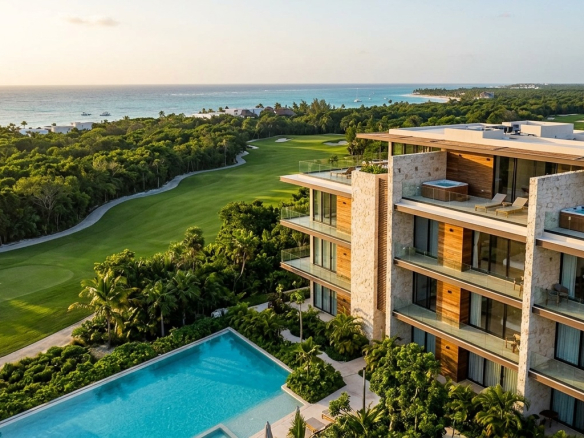
Playa offers the most balanced mix of lifestyle and income potential. Buyers who want to “park the car and walk” look at Playa Centro and Coco Beach for condo options, steps to beach clubs, gyms, and restaurants. Building heights, amenities, and nightly rental rules vary by block. Newer boutique buildings bring rooftops, plunge pools, and concierge services, while older buildings can deliver larger floor plans and thicker walls.
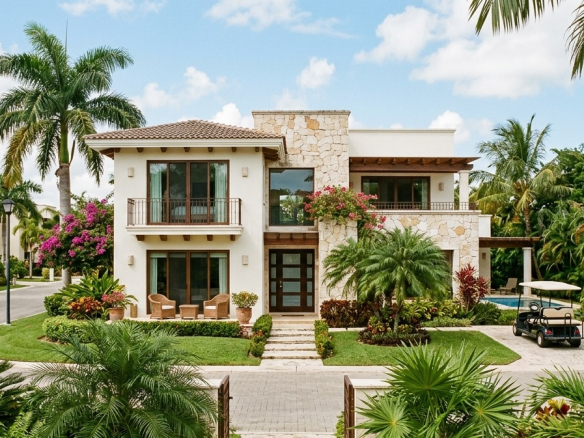
Playacar Phase I and II sit just south of downtown with gated access, landscaped roads, and beach access points. Phase I has single-family and beachfront homes with strong end-user appeal and limited supply. Phase II adds golf-front villas and townhomes, quieter streets, and easy access to Fifth Avenue.
Rental demand near Fifth Avenue is strong for short stays. On the flip side, noise can creep in on weekends and holidays. For owners who value quieter living, streets a few blocks back from Fifth or within Playacar deliver more privacy and better sleep.
Puerto Aventuras: marina-front living
This planned community offers guarded gates, a walkable marina, small commercial core, and beach club access for residents. Marina-front condos and townhomes are popular with boaters, families, and snowbirds. Inventory turns quickly when a remodeled, well-managed unit lists at a fair price. Many owners here prefer medium-term rentals to reduce wear-and-tear and keep a community feel.
The pros: water views, relaxed pace, good HOA management in most buildings, and predictable infrastructure. The con for some investors: slightly lower nightly rates versus central Playa or Tulum nightlife zones. That said, occupancy is stable and long-term value benefits from lifestyle consistency.
Akumal: low-density beachfront and bays
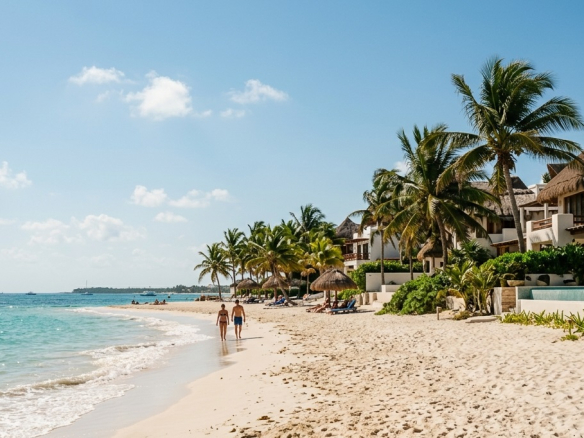
Akumal, Half Moon Bay, and surrounding coves offer low-rise, low-density living with reef protection that often keeps waters calm and clear. This is classic Caribbean Mexico—snorkeling with turtles, sandy coves, and quiet nights. Inventory is limited and many buildings are smaller, boutique, or older. Buyers who want beachfront without the city vibe look here, understanding they may trade off immediate restaurant variety and nightlife.
STR demand leans to families and nature-focused travelers seeking 4–7 night stays. Supply constraints tend to support prices and resale liquidity for well-maintained, properly managed properties.
Tulum: design-forward condos, jungle villas, and branded residences
Aldea Zama remains the most mature neighborhood, with paved roads, services, and a mix of boutique condos and villas. Newer areas like Region 15, Region 8, and parts of Region 12 offer striking architecture, large terraces, and lush landscaping. Expect a wide range of project quality. The savviest buyers confirm utilities, road status, water management, condo regime registration, and developer history.
Pre-construction dominates in many Tulum pockets, often with staged payments and furnishings packages. Noise can be a factor near nightlife corridors or active construction zones. Distance to the beach is a key driver of nightly rates; conversely, jungle-facing units with views and privacy can outperform on length of stay and reviews.
Pre-construction vs key-ready: trade-offs to weigh
Pre-construction can mean lower entry prices, curated interior packages, and potentially strong early equity if the developer executes well. In exchange, the buyer takes on construction risk and timeline variability. Key-ready units allow for immediate use and rental income, with known HOA costs and actual, not promised, amenities. Buyers often split the difference—acquiring one performing condo now and a carefully selected pre-construction unit for staged growth.
Costs, financing, and timelines
Expect total closing costs in the 4–8% range of the purchase price, depending on property type, location, and deal structure. This bucket includes ISAI transfer tax, Notario fees, trustee bank fees for the fideicomiso, registration, and various certificates. If buying in a developer project, add utility hook-up charges (CFE power, water/sewer as applicable) and meter requests. Confirm any developer admin fees at contract signing.
HOA dues vary widely. Beachfront buildings with elevators, pools, and 24/7 security will cost more than three-story walk-ups with minimal amenities. Insurance is advisable for hurricane and liability coverage; some buildings roll part of this into HOA dues, others leave it to the unit owner. Ask for last year’s budget, reserve fund status, and any planned special assessments.
Short-term rental permitting and tax compliance are essential. Municipal rules evolve, so ensure the condo bylaws allow rentals at your desired frequency, that your use aligns with zoning, and that you can secure local permits if required. Keep tax filings clean; engage an accountant to handle VAT/IVA where applicable and to register in Mexico’s tax system.
Local mortgage options exist, mostly peso loans through banks or non-bank lenders, with underwriting that may consider residency status, local income, or foreign income. Developer financing can bridge gaps but is usually short-term. Rate comparisons should be grounded in current reference data available through Banxico. For household budgeting—especially on end-user purchases—review typical CFE electricity tariffs and consumption bands via CFE, and use INEGI for cost-of-living and demographic context.
Timelines: key-ready resales commonly close in 30–60 days. Pre-construction closings occur at delivery once the condo regime is registered and units are ready for handover. Inspections, punch lists, and snagging should be built into the schedule so you avoid inheriting small defects after possession.
Practical templates and tools to stay organized
A few simple worksheets reduce stress and help compare apples to apples:
- Offer-to-close checklist (printable): tracks reservation date, escrow setup, due diligence document requests, HOA docs received, SRE permit submission date, Notario selection, trust bank assignment, closing date confirmation, insurance quote, CFE account setup request, and property management onboarding.
- Property comparison scorecard: columns for location (walkability to beach/amenities), building quality (structure, waterproofing, window specs), actual utilities (paved road, water, sewage, fiber), HOA health (reserves, past assessments), rental outlook (ADR, occupancy, calendar seasonality), noise risk (construction pipeline, nearby venues), and exit liquidity (comps, DOM trends).
For exchange-sensitive offers, a simple clause pegs the peso or USD payment to the Banxico spot rate on a specific date/time. Always confirm with your escrow agent and Notario how currency conversion will occur so there are no last-minute surprises.
Lifestyle, rental demand, and ROI drivers
Beach access and reef protection are at the top of nearly every buyer’s list, followed by walkability, security, and services. In Playa del Carmen, condos near Fifth Avenue and the beach have the deepest nightly rental demand, driven by short stays and repeat guests who know the area. The trade-off is higher guest churn and the occasional party crowd. In family-oriented pockets—Playacar, Puerto Aventuras marinas, Akumal bays—guests tend to stay longer and spend more days in-residence, lowering wear-and-tear and cleaning costs.
Sargassum seasonality affects guest satisfaction and occupancy on certain beaches. Properties near protected bays, or with quality pools and rooftop amenities, can offset this with a strong “resort-at-home” experience. Clear listing photos and honest seasonal notes keep reviews high and calendars healthy.
Build quality has real ROI consequences. Good waterproofing, proper roof slopes, hurricane-rated windows, and quality ACs reduce maintenance calls and protect net income. Water management is vital—well-designed septic or treatment systems, drainage, and responsible landscaping keep common areas clean and reduce long-run HOA costs. Buildings that promote sustainability (greywater reuse, solar assist, efficient chillers) are increasingly favored by both guests and insurers.
Connectivity is a long-term value lever. As the highway, the Maya Train, and Tulum’s airport normalize travel times, submarkets beyond the original core become more practical for full-time living and medium-term rentals. Better schools, clinics, and grocery options close the gap between vacation town and livable city. This is where price appreciation compounds: when mobility improves, new services follow, and more people choose to stay longer.
Offer strategy, negotiation windows, and liquidity
Well-priced condos on the beach side of the highway move quickly in peak months. If a property checks all boxes—view, building quality, location—waiting for an extra five percent discount often means losing it. In low season, sellers may be more flexible on price and closing dates. Time on market data is neighborhood-specific; it is common to see 30–90 days for strong listings and longer tails for units with layout quirks or noise exposure.
Liquidity favors:
- Prime micro-locations with proven rental history or consistent end-user demand
- Buildings with clean HOA governance and adequate reserve funds
- Units that photograph well, show well, and require no capex to start renting
Less liquid properties can still be winners if priced right, especially for buyers planning longer personal use. A professional rental setup—clear house rules, quality linens and mattresses, reliable keyless entry—narrows the gap.
Zoning, density, and environmental checks that protect you
Density (COS/CUS) and permitted uses vary by block. Before finalizing an offer, confirm land-use (uso de suelo) with municipal planning. For condos, verify that the regime is registered and aligns with how the building is being used. If your aim is STR, ensure the bylaws allow it, and that management has a track record issuing guest bracelets, logging visitors, and managing security.
On the environmental side, coastal and near-jungle parcels may require federal or state impact authorizations. Ask for copies of environmental permits, civil protection certificates, and any shoreline concession documents if relevant. If buying land or a pre-construction condo, confirm utility delivery timelines and who pays for temporary connections. Good developers put this in writing.
HOA and property management choices
A solid HOA protects value. Review last two years of budgets, meeting minutes, and any special assessments. Healthy reserves indicate realistic planning. Underfunded buildings struggle with elevators, waterproofing, and facade maintenance—costs that show up later and hurt resale.
Property management is a business decision. Full-service STR managers typically take a higher fee but deliver higher ADR and occupancies. A hybrid approach—professional marketing plus local cleaning and maintenance—can work for hands-on owners. For end users, a light-touch caretaker and concierge may be enough. Either way, verify licensing, insurance, response times, and guest communication practices.
Insurance, utilities, and ongoing costs
Hurricane and liability coverage are standard considerations. Some policies cover contents and rental income interruptions; read exclusions carefully. If in a building with a master policy, confirm what the master covers and what the unit owner must cover. Annual trust fees for the fideicomiso are paid to the trustee bank; budget a few hundred to low four figures depending on the bank and services.
Electricity through CFE is metered; usage affects tiered tariffs. Smart thermostats, inverter ACs, and sun-control window film reduce bills and increase guest comfort. Water service and sewage differ by neighborhood; in some areas, on-site treatment is standard. Ask to see recent utility bills to set a reliable monthly budget. CFE’s site at CFE provides tariff information and service processes.
Compliance and tax housekeeping
Short-term rental permitting depends on municipal rules and building bylaws. Align your use with local requirements and keep proper fiscal records. Mexico’s tax authority expects remittances on rental income; an accountant can set up registrations, issue CFDI invoices when necessary, and file monthly/annual returns. Local occupancy tax (if applicable) should be collected and remitted on schedule.
For cross-border owners, coordinate with a tax professional in your home country to avoid double taxation and to optimize treaty benefits if available. Keep all closing documents, Notario receipts, and capital improvements invoices for future capital gains calculations.
What affects future resale
Resale momentum follows:
- Location confidence: proven neighborhoods with lasting appeal to both visitors and residents
- Building condition: well-kept structures and common areas, documented maintenance
- Clear paperwork: clean title in the trust, condo regime punctuality, HOA governance transparency
- Noise and infrastructure: reduced noise exposure, paved roads, fiber internet, stable power
Projects that overpromise amenities or underdeliver on operations suffer in resale. Buyers are now very savvy; they analyze HOA budgets, ask for environmental permits, and track developer reputations. Transparent sellers who provide full document sets and performance metrics often achieve faster, cleaner closings.
A simple way to underwrite rentals
For a quick sense of feasibility, many investors use a conservative three-part look:
1) Market fit: Is the property aligned with its guest segment (family bays, nightlife corridors, wellness retreats)?
2) Numbers: Use trailing 12-month comps to check average daily rate, occupancy, and seasonality. Stress-test with a 10–15% ADR haircut and shoulder-season occupancy.
3) Expenses: HOA, utilities, insurance, property management, cleaning, supplies, maintenance. Add a reserve line for capex. If the net covers your expectations after management fees and taxes, you’re in the right ballpark.
INEGI’s data at INEGI helps frame traveler flows and population growth. Pair that with your platform analytics and manager reports for a local picture.
How to keep the process smooth
Two items prevent most delays. First, collect seller documents early: IDs, property tax receipts, utility no-debt letters, HOA compliance letters, and the prior deed. Second, lock in the Notario and escrow structure at the offer stage, not after. Set a clear calendar for trust permit submission, inspection, and final funding dates. In volatile exchange periods, define who bears currency risk and how conversions work.
When buying pre-construction, ask the developer to show proof of land title, environmental permits, municipal building permits, and the status of the condo regime registration. Walk a delivered project by the same developer. If possible, speak with owners. This on-the-ground check is often the difference between a stress-free delivery and delays.
Where to get answers fast
For ownership structure and trust permits, the SRE portal outlines the policy framework. State processes and links to the Public Registry can be found at Gobierno de Quintana Roo. Track currency at Banxico, and household cost inputs at CFE and INEGI. For market inventory and how-to resources built for foreign buyers, refer to find and buy the perfect property in the Riviera Maya.
Final notes that experienced buyers keep in mind
- Location and building health beat fads. A quiet street with fiber, good drainage, and a reliable HOA is often a better buy than a flashy facade with weak operations.
- Due diligence is a sequence, not a moment. Title, permits, regime registration, and HOA status tell a story. Read it before funding.
- Think in use-cases. End-user comfort and rental performance don’t always align. Decide your primary goal—lifestyle, yield, or a blend—then choose the micro-location accordingly.
The Riviera Maya rewards careful preparation. With the right team, clear paperwork, and realistic underwriting, foreign buyers can secure enjoyable homes, consistent rentals, and strong long-run value in one of North America’s most dynamic coastal markets.
Conclusion
Buying in the Riviera Maya works with steps: pick your area, verify title & zoning, understand fideicomiso and 4–8% closing costs. Focus on rental demand and build quality; timing, escrow, Notario matter. For local expertise, Buyplaya Real Estate Advisors is the premier broker for foreign investors in Playa del Carmen, Tulum and the Riviera Maya of Mexico—20+ years purchasing homes, condos, investment, beachfront and commercial properties in Mexico. Book a consult, get a shortlist, tour.
Related Posts
- Find And Buy The Perfect Property For Sale In Riviera Maya Mexico
- Riviera Maya Real Estate Listings
- Securing Your Slice of the Riviera Maya: A Modern Approach to Property
Frequently Asked Questions (FAQs)
What does buying real estate for sale in the Riviera Maya Mexico involve, and how to buy step by step?
Start by shortlisting areas and budgets. Then a licensed broker prepares options that fit the plan. A typical flow for real estate for sale in the Riviera Maya Mexico looks like this:
- Choose a property and place a small reservation to hold it (often refundable within a brief window).
- Open escrow, share ID for KYC/AML, and select a Notario Público.
- For foreigners in the restricted zone, set up a bank trust (fideicomiso). The Notario coordinates the trust with the chosen bank.
- Due diligence checks: title & liens at the Public Registry, zoning/usage, HOA bylaws, utilities, and a technical review of the plans if pre-construction.
- Sign the purchase agreement, fund escrow, and schedule closing.
- Closing at the Notario: deed is issued into the fideicomiso, taxes and fees are paid, keys delivered.
Most closings take about 30–60 days. Pre-construction real estate for sale in the Riviera Maya Mexico may have progress payments through construction, then deeded at delivery. Keep it simple; clean title, clear HOA rules, and a solid handover checklist matter most.
How much are closing costs for real estate for sale in the Riviera Maya Mexico, plus ongoing fees?
Plan for roughly 4–8% of the price in closing costs when buying real estate for sale in the Riviera Maya Mexico. This usually includes the transfer tax (ISAI), Notario fees, the bank trust setup, escrow, and assorted registrations. Annual trust fees are common, and typically a few hundred dollars. Property tax (predial) is comparatively low. HOA dues vary by amenity level; condos with elevators, pools & security cost more than simple low-rise buildings. Always ask for a written estimate before wiring funds—numbers can shift a bit with exchange rates and municipal tariffs.
Can foreigners get financing for real estate for sale in the Riviera Maya Mexico, or how to buy without paying all cash?
Yes, there are paths. Local bank mortgages may be available to foreigners who have residency and verifiable income; terms depend on credit files and current rates. Developer financing is common on new builds (shorter terms, larger down payments). Some buyers use a HELOC from home, then pay cash here—it’s clean and fast. If financing is required, lock timelines early so the closing window matches the loan approval; otherwise, expect delays. As always, read the fine print, interest and prepayment rules included.
Which areas fit best for real estate for sale in the Riviera Maya Mexico—living vs rental?
For walk-to-everything living, Playa del Carmen Centro, Coco Beach, and parts of Playacar feel easy day-to-day. Strong short-term rental demand usually tracks near beaches & Fifth Avenue. Puerto Aventuras draws boaters and families with its marina lifestyle. Akumal is lower density, sea turtle beaches, a quieter pace. Tulum offers boutique condos and villas in Aldea Zama and Region 8/15; great design and branding can lift nightly rates. Consider seasonality (Dec–Apr high season), new access like Tulum International Airport and the Maya Train, and building quality for storms. That trio—location, access, build—drives value in real estate for sale in the Riviera Maya Mexico.
Why choose Buyplaya when evaluating real estate for sale in the Riviera Maya Mexico—how to buy safely as a foreigner?
Buyplaya is the premier real estate broker for foreign investors in the playa del carmen, tulum, and riviera maya of Mexico. Successfully assisting clients for over 20 years purchasing homes, condos, investment, beachfront, and commercial properties in Mexico. That experience shows at every step: curated inventory, verified titles, Notario coordination, bank trust setup, and clear cost breakdowns. Buyers get realistic rental comps, area insights, and after-sale help (utilities, HOA onboarding). It keeps the process steady—so real estate for sale in the Riviera Maya Mexico feels transparent, not stressful.

Join The Discussion