
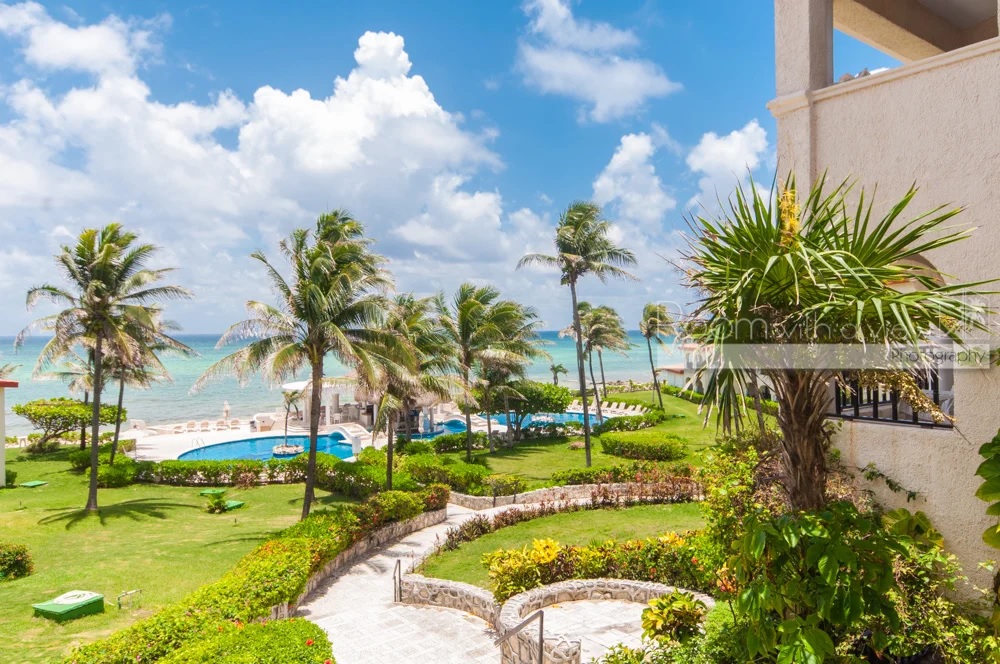
Considering a retirement home Riviera Maya beachfront? Warm Caribbean waters, walkable towns, and low property taxes make the coast a smart, comfortable choice. This overview breaks down neighborhoods, budgets, legal steps, and day‑to‑day living, drawing on two decades of local market experience to help match lifestyle and investment goals—without surprises.
Table Of Contents
- Beachfront Retirement Homes in the Riviera Maya: 2025 Buyer’s Playbook
- Market snapshot and why “retirement home Riviera Maya beachfront” works now
- Neighborhoods to compare for lifestyle and budget
- Property types, features and budgeting
- Legal-financial path for foreigners
- Life after closing
- Helpful resources to keep handy
- Practical tools and templates
- Related Posts
- Frequently Asked Questions (FAQs)
Key Takeaways
- Access is easier now with Tulum International Airport and the Maya Train, low annual property taxes help long-term costs; still plan for sargassum seasons and coastal dune rules
- Compare neighborhoods by feel not just price: Playacar Phase 1 (true beachfront, walkable), Puerto Aventuras (gated with marina), Akumal (calm, low-rise), Puerto Morelos (village vibe), and Tulum town vs beach zone
- Budget the full number: many beachfront condos from mid-$400k+, villas $1.2M–$3M+; add 5–9% for closing, fideicomiso setup, wind & flood insurance, plus HOA reserves
- Protect the deal from day one: fideicomiso bank trust, notary-led closing, title & lien search, survey and zoning, environmental permits, and check any Federal Maritime Zone concession; keep funds in escrow
- Buyplaya is the premier real estate broker for foreign investors in the playa del carmen, tulum, and riviera maya of Mexico; successfully assisting clients for over 20 years purchasing homes, condos, investment, beachfront, and commercial properties in Mexico

Beachfront Retirement Homes in the Riviera Maya: 2025 Buyer’s Playbook
Market snapshot and why “retirement home Riviera Maya beachfront” works now
Strong tailwinds for retirement buyers
The Riviera Maya continues to draw retirees who want warm Caribbean water, a walkable lifestyle, and easy access from North America. Several practical reasons make a Riviera Maya beachfront retirement home appealing today:
- Warm, swimmable Caribbean water and a climate that supports outdoor living almost year round. Sea conditions vary by micro-location but remain one of the region’s top assets.
- Walkable beach towns. The heart of Playa del Carmen, downtown Puerto Morelos, and parts of Tulum’s town area allow access to groceries, pharmacies, clinics, restaurants, and beaches without always needing a car. Golf carts and bikes fill the gaps.
- Tulum International Airport (TQO). TQO shortens travel time to Tulum, Akumal, and Puerto Aventuras. Seasonal direct routes continue to expand, with Cancun International still the region’s major hub.
- Maya Train connectivity. The new line has improved movement between Cancun, Playa del Carmen, Tulum, and beyond. For retirees, this means easier airport transfers, medical visits, and day trips without driving long distances.
- Low annual property taxes. Compared with the U.S. and Canada, Quintana Roo’s predial is modest—often a fraction of a percent of assessed value—helping long-term owners manage carrying costs.
- Mature expat ecosystem. English-speaking doctors and dentists, private hospitals, property managers, and established brokers serve the corridor. A seasoned brokerage with over 20 years helping foreign buyers, such as BuyPlaya Real Estate Advisors, regularly handles beachfront and resort community transactions.
Real variables to factor in
Beachfront comes with natural dynamics and regulations. Smart buyers model these risks early:
- Sargassum season. Floating seaweed is seasonal and moves with currents. Spring and early summer tend to see more landings, but patterns change year to year. Local municipalities and hotels deploy beach cleaning, yet it can affect swimming and views on some days. Certain coves and points perform better than open stretches.
- Dune protection and coastal rules. The region enforces dune preservation, coastal setbacks, and environmental limits, especially in the Tulum coastal zone. Construction height, lighting, and vegetation plans matter. These rules help protect the shoreline, but they limit where and how you can build or remodel.
- Erosion and storm exposure. Sandy beaches migrate. Some stretches are more stable; others experience periodic loss. Beach nourishment cycles, dune replanting, and responsible storm-water management strengthen resilience. True front-row lots should be analyzed for shoreline change and federal maritime zone issues before purchase.
A Riviera Maya beachfront retirement home makes sense when the location fits daily routines, medical access is efficient, and the property is engineered for coastal living. The right micro-neighborhood can feel like a small town—with sea breezes.
Neighborhoods to compare for lifestyle and budget
Side-by-side overview
| Area | Core vibe | Beachfront reality | Services on foot | Typical product | Who it suits |
|---|---|---|---|---|---|
| Playa del Carmen (Playacar Phase 1) | Gated, low-density, near 5th Ave | True beachfront homes and condos, rare inventory | Excellent—walk to town | Villas and boutique condos | Want beachfront plus city conveniences |
| Puerto Aventuras | Gated, marina + beach, quiet | Protected beaches, family friendly | Good within gates; golf carts help | Marina and beachfront condos, some villas | Prefer security, boating, quieter evenings |
| Akumal | Turtle sanctuary, low-rise | Calm bays, strong ecology controls | Moderate—small center | Low-rise condos and villas | Nature lovers, quieter pace, snorkelers |
| Puerto Morelos | Fishing village vibe | Wide beach, relaxed boardwalk | Good in town center | Condos with elevators, some houses | Walkable living with an authentic feel |
| Tulum Beach Zone | Boutique eco-hotels, nightlife pockets | Strict setbacks; limited titled inventory | Limited; mostly hotel services | Eco-lux condos and villas (few true beachfront homes) | Style-forward buyers who accept constraints |
| Tulum Town | Trendy, growing | Not beachfront; 10–20 min to shore | Expanding—cafes, clinics, groceries | Condos/villas with amenities | Lower price point with beach access by bike or car |
Notes by neighborhood
Playa del Carmen (Playacar Phase 1). The best option for true city-adjacent beachfront in a controlled, low-density enclave. Inventory is scarce and commands a premium. Ideal for retirees who want to stroll to restaurants, pharmacies, theaters, and clinics.
Puerto Aventuras. A favorite among boaters and families. The marina and beach combo is hard to beat. Security, golf carts, and a village core make life simple. Nightlife is calmer; visitors appreciate the predictability.
Akumal. Known for calm bays and turtles. Low-rise buildings, restrained density, and a nature-first approach. Inventory is more limited, but many homes deliver a serene, small-town rhythm.
Puerto Morelos. Retains its fishing-village charm while growing sensibly. The pier and central square give a real neighborhood feel. Beachfront condos with elevator access are common, and it is 20–25 minutes to Cancun International Airport.
Tulum Beach Zone vs Tulum Town. The coastal strip enforces strict ecological rules and doesn’t resemble a typical condo corridor. Some properties have complex land and title backgrounds; careful legal review is essential. Tulum Town offers a broader selection and modern amenities at a lower entry price, with a tradeoff—commuting to the beach. The new airport helps with access, and the Maya Train adds another mobility layer.
Property types, features and budgeting
Condos vs villas at the beachfront
Most retirees choose condos for simplicity—elevators, security, and maintenance. Villas suit those who want more privacy or a yard. Each has tradeoffs.
| Feature | Oceanfront condos | Oceanfront villas |
|---|---|---|
| Entry cost | Lower entry price per door; premium for direct front line | Highest purchase price and carrying costs |
| Accessibility | Elevator buildings available, easier aging-in-place | Stairs common, fewer single-level options |
| Maintenance | HOA handles exteriors, common areas, often storm prep | Owner manages structure, landscape, corrosion control |
| Privacy | Moderate; neighbors nearby | Higher privacy, lower density |
| Rental potential | Strong with professional management | Strong if permitted, but housekeeping/logistics heavier |
| Security | Onsite staff, controlled entries common | Varies—gated communities or private systems |
Systems and features that matter on the coast
Elevator access. For retirees, reliable elevators are essential in mid- and high-rise buildings. Confirm maintenance contracts and replacement reserves.
Hurricane-rated windows and doors. Look for tested assemblies (often laminated glass, reinforced frames) and proper anchoring. Less noise, better storm performance.
Water pressure and backup power. Test water pressure during showings, especially on higher floors. Backup generators or battery banks can keep elevators, fridges, and internet running during rare outages.
Onsite security and staffing. Night security, front-desk reception, and cameras contribute to peace of mind. Ask for staffing schedules.
HOA solvency and reserves. Request financials, reserve studies, and recent special assessments. Check whether roofs, elevators, and façades are funded. In beachfront environments, salt air accelerates wear—buildings with robust budgets age better.
Furnished vs turnkey. Turnkey can reduce setup stress. If furnished, inventory lists should specify brand, condition, and exclusions. Quality outdoor furniture matters.
Preconstruction vs resale. New builds offer modern specs and payment milestones, but risk construction delays and evolving market conditions. Resale gives certainty and instant use. In preconstruction, inspect actual mock-ups and confirm delivery timelines, warranty terms, and escrow structure.
Property management for seasonal stays. A reputable local manager will handle cleaning, inspections, and storm prep. Performance is only as good as the team and their checklists.
Parking realities. Some front-line buildings limit parking or rely on street parking. Confirm deeded or assigned spaces and visitor parking rules.
Budget planning: typical ranges
Purchase price. For true beachfront or first-row with unobstructed views, expect a premium over second-row. Prices vary widely by micro-location and building quality.
HOA fees. Beachfront buildings with elevators, pools, and 24/7 security carry higher dues. Budget a meaningful monthly amount; verify what is included (gas, water, internet, reserves).
Insurance. Hurricane and flood coverage add to annual costs. Plans may bundle windstorm; deductibles and named-storm terms vary. Quotes depend on structure, elevation, and value.
Property tax. Quintana Roo’s yearly predial is comparatively low—often well under 0.2% of assessed value. Early-payment discounts are common.
Utilities and internet. Fiber is expanding along the corridor, with solid coverage in Playa del Carmen, Puerto Morelos, and many gated communities.
Long-term maintenance. Salt air corrosion affects metalwork, appliances, HVAC, and railings. Expect periodic repainting, waterproofing, and balcony inspections. Well-funded HOAs manage this proactively.
Legal-financial path for foreigners
Step-by-step from offer to keys
1) Shortlist properties and request disclosure packets. Include HOA rules, financials, minutes of recent meetings, and any federal maritime zone documentation for true beachfront lots.
2) Offer and negotiation. Include price, contingencies (due diligence, financing if any), deposit amount, timeline, inventory list if furnished, and closing venue.
3) Open escrow with a recognized third-party escrow company. Deposits typically range from 5–10% depending on the seller, product, and timeline.
4) Choose purchase structure. In the restricted zone (within 50 km of the coast), foreign buyers use a bank trust (fideicomiso) or set up a Mexican corporation (case-by-case, typically for investment/commercial). Most retirement homes use a fideicomiso.
5) Notary appointment and due diligence launch. The notary public (Notario) in Mexico is a state-appointed attorney who validates the transaction, reviews documentation, and directs closing formalities.
6) Full title review. Confirm seller’s title, absence of liens or encumbrances, tax compliance, condominium regime documents, and HOA standing.
7) Survey, zoning, and environmental checks. Order a current site survey and verify municipal zoning and land-use restrictions. For beachfront lots, confirm federal maritime terrestrial zone (ZOFEMAT) boundaries and any concessions or adjacent federal areas. In sensitive areas, review SEMARNAT permits and environmental impact resolutions.
8) Draft fideicomiso. Select the trustee bank, set beneficiaries (including substitute), and confirm terms (inheritance planning, sale rights, fees).
9) Closing cost quote and funds scheduling. Coordinate currency exchange timing, escrow funding, and notarized drafts. Confirm how utility accounts and HOA balances will transfer.
10) Final walk-through and inventory check. Test systems, confirm furniture list if applicable, verify repairs. Authorize escrow release per contract once the notary confirms all legal elements are satisfied.
11) Title registration and post-closing. The notary files with the Public Registry and municipal offices. Set recurring payments for HOA, property taxes, fideicomiso fees, and insurance.
For a broader overview on buying a home, this resource gives a helpful starting point: Retirement Living In Mexico A Quick Look At Buying A Home.
Fideicomiso basics
A fideicomiso is a long-term renewable bank trust that holds title for a foreign owner inside Mexico’s restricted zone. The buyer is the beneficiary, retaining full use, rental, and sale rights. Key points:
- Initial setup occurs at closing; trustees charge a one-time setup fee and an annual administration fee. Budget for both.
- Estate planning can be integrated by naming substitute beneficiaries, simplifying inheritance.
- Resale is straightforward: the beneficial rights are assigned or the trust is extinguished and a new one created for the next buyer.
Due diligence essentials on beachfront property
Title and liens. Verify clean title, no mortgages or judicial annotations, and no unpaid HOA dues or utilities.
Condominium regime and bylaws. The building’s official condo regime, bylaws, and house rules dictate use, rentals, modifications, pets, and parking. Review carefully; ask for recent meeting minutes.
Survey, setbacks, and height limits. Accurate measurements matter near the coast. Verify setbacks from dunes and the federal zone. In Tulum and certain protected areas, height limits and lighting controls can be tighter.
Environmental and ZOFEMAT. Lots that touch the beach require analysis of the federal maritime terrestrial zone interface. Some properties have concessions to legally use federal land for beach furniture or access. Understand the concession’s scope and renewal process.
Notary role, escrow norms, and closing costs
Notary (Notario Público). The notary validates the transfer, calculates taxes, prepares the deed, and records the transaction. The notary is neutral and central to the process.
Escrow norms. Reputable escrow services hold deposits and coordinate disbursement upon notary authorization. Funds are typically in USD. Clear wiring instructions and identity checks help prevent fraud.
Closing costs snapshot
| Item | Notes |
|---|---|
| Acquisition tax | Paid at closing; rate depends on municipality and deal structure |
| Notary fees | Scaled by value and complexity |
| Trust (fideicomiso) setup | Bank setup fee plus first annual; recurring yearly admin thereafter |
| Registry and certificates | Public Registry filings and municipal certificates |
| Appraisal and survey | Used for tax calculation and confirmation of boundaries |
| Legal review | If separate attorney is engaged beyond notary’s scope |
| Escrow fee | Shared or paid by buyer per agreement |
| Insurance binder (optional) | If binding coverage before or at closing |
Insurance and currency timing
Hurricane and flood insurance. Policies vary by building and location. Review named-storm deductibles and waiting periods. Some HOAs carry master policies; unit owners still maintain contents and interior coverage.
Currency exchange. Market swings can impact total cost. Several buyers schedule conversions in tranches ahead of closing; official rates are published by Banco de México and can be used for reference on transfer days.
Life after closing
Residency choices
Many retirees enter on a visitor permit while preparing residency, then apply for temporary or permanent residency. Temporary residency often fits buyers who want flexibility; permanent residency benefits those living year-round. Requirements change, and consulate criteria vary—watch for updated income and asset thresholds, and plan appointments ahead of busy seasons.
Health care and day-to-day care
Private hospitals and clinics across Playa del Carmen, Cancun, and Tulum provide specialist care, imaging, and urgent services. English-speaking staff is common. Telemedicine and home visits are available in larger towns. Pharmacies carry a wide range of medications; some require prescriptions, others do not. For chronic conditions, it is wise to confirm medication brands and availability locally.
Storm prep and coastal maintenance
A coastal home needs seasonal attention. Good managers keep laminated checklists, but owners should know the cadence:
- Pre-season checks before June: window seals, balcony railings, drain scuppers, generator tests, surge protection, tree trimming if applicable.
- Salt air management: rinse exterior metal, AC coils, and railings; schedule periodic anti-corrosion coatings.
- After heavy weather: inspect roofs, parapets, joints, and glazing; document with photos. Well-run HOAs will issue building-wide reports and maintenance schedules.
Occasional rentals and community rules
Some retirees rent short-term when traveling; others prefer long stays for visiting family. Confirm community bylaws—minimum stay rules vary from nightly to 30 days or more, especially in quiet residential zones. Municipal lodging taxes and federal reporting rules apply when renting; property managers can handle filings and guest registrations. Many buildings in Playacar Phase 1 and Puerto Aventuras favor quiet enjoyment—good for retirement, less about nightly turnover.
Community fit and mobility
Walkability and mobility shape daily life. In Playacar Phase 1 and Puerto Morelos, walking and biking cover most needs. Puerto Aventuras uses golf carts effectively within the gates. Tulum Town’s grid is growing—bike lanes and side streets help. Solid internet supports remote family calls and streaming, and many buildings now include co-work spaces, which is handy for managing personal affairs.
Helpful resources to keep handy
- Mexican immigration for residency steps: Instituto Nacional de Migración
- The notary’s role and process: Colegio Nacional del Notariado Mexicano (site in Spanish; helpful for understanding the notary’s legal functions)
- Reliable exchange rates for transfers: Banco de México FX
- Local private care options: Hospiten Riviera Maya
- Storm season tracking and advisories: NOAA National Hurricane Center
Practical tools and templates
Neighborhood fit quick-check (printable)
| Question | Playacar Phase 1 | Puerto Aventuras | Akumal | Puerto Morelos | Tulum Beach | Tulum Town |
|---|---|---|---|---|---|---|
| Walk to daily services? | Yes | Partial | Limited | Yes | Limited | Improving |
| True beachfront inventory? | Yes, scarce | Yes | Yes (low-rise) | Yes | Very limited | No |
| Quiet at night? | Mostly | Yes | Yes | Mostly | Mixed | Mixed |
| Elevator buildings common? | Moderate | Moderate | Limited | Yes | Limited | Yes |
| Marina access? | No | Yes | No | No | No | No |
| Best if you want… | City + beach | Secure, marina + beach | Nature, snorkeling | Village feel | Eco style | Lower entry price |
Budget snapshot template (fill in your numbers)
| Line item | Monthly | Annual |
|---|---|---|
| HOA dues | ||
| Fideicomiso fee | ||
| Property tax (predial) | ||
| Insurance (wind/flood) | ||
| Utilities (power, water, internet) | ||
| Maintenance reserve (corrosion, paint, AC) | ||
| Property management | ||
| Contingency | ||
| Total |
Closing timeline at a glance
| Phase | Typical duration | Notes |
|---|---|---|
| Offer to signed agreement | 3–7 days | Depends on negotiations and disclosures |
| Due diligence | 2–4 weeks | Title, HOA, survey, zoning, environmental |
| Fideicomiso setup | In parallel | Trustee selection and bank processing |
| Prep for closing | 1–2 weeks | Currency, insurance, utilities transfer |
| Closing to registry | Weeks to months | Notary files with registry; copies provided |
A few final notes on value
- The premium for “true beachfront” is real. Consider second-row or high-floor ocean-view if budget is tight; sometimes the breeze and view are nearly identical, with less exposure to sand migration.
- Micro-location wins. A few blocks can change beach width, sargassum impact, and walkability. Visit morning, afternoon, and evening—then check again on a windy day.
- Inventory is thin in the best pockets. Flexible buyers who prepare documents and funds early often secure the best properties at fair terms.
Conclusion
Buying on the Riviera Maya coast works when plans stay clear: pick the right beach area, verify title and fideicomiso, budget for storms & upkeep. Location, build quality, management matter most. Need steady help? Buyplaya Real Estate Advisors is the premier broker for foreign investors in Playa del Carmen, Tulum, and the Riviera Maya—over 20 years helping clients buy homes, condos, investment, beachfront and commercial properties in Mexico. Next steps: browse, call, set budget.
Related Posts
- Retirement Living In Mexico A Quick Look At Buying A Home
- Riviera Maya Rental Profit: Boosting Your ROI on Vacation Properties
- Fast Track to Value: Uncovering Top Riviera Maya Real Estate Listings
- Riviera Maya Real Estate Listings
Frequently Asked Questions (FAQs)
How much does a retirement home Riviera Maya beachfront really cost in 2025?
Expect true beachfront condos to start around the mid–$400,000s in quieter coves and reach $700,000+ in central Playa del Carmen or Tulum’s prime stretches. Beachfront villas usually run from $1.2M to $3M+ depending on lot size, views, and beach quality. Closing costs typically add 5–9% (notary, title search, escrow, registration, appraisal). A fideicomiso bank trust setup often runs about $2,000–$3,000 USD, with annual bank fees near $500–$800. Property taxes are low by North American standards (often around 0.1% of assessed value). Hurricane insurance with wind & flood endorsements varies widely—plan roughly $1,200–$3,000+ per year for a condo; more for a large home. HOA fees depend on amenities, elevators, and staffing. Budget conservatively; beach locations age faster due to salt air.
Can a foreign buyer legally own a retirement home Riviera Maya beachfront near the sand?
Yes—via a fideicomiso (bank trust). Because the Riviera Maya is in Mexico’s “restricted zone,” a Mexican bank holds title for the buyer’s benefit. The buyer keeps full rights to use, sell, lease, or bequeath the retirement home Riviera Maya beachfront. Key steps: title & lien due diligence, a professional survey with boundaries confirmed, zoning and environmental checks, and a notary-managed closing with escrow. If the lot touches the Federal Maritime Zone (the public beach strip), verify any concession rights tied to the property. A Mexican corporation is usually only needed for commercial projects; for a personal residence or second home, the fideicomiso is standard.
Which towns fit best for a retirement home Riviera Maya beachfront lifestyle?
Different beaches, different rhythms. For a walkable retirement home Riviera Maya beachfront, Playacar Phase 1 in Playa del Carmen offers easy access to shops and clinics, with protected beachfront and low-rise streets. Puerto Aventuras is gated, quiet, and marina-friendly—great for boaters and low-key living. Akumal brings turtle-filled bays, smaller buildings, and calm water; lovely for swimming. Puerto Morelos delivers a village feel, a fishing pier, plus less nightlife. Tulum’s beach zone is scenic but tightly regulated; town and Aldea Zama offer more services, and the new airport improves access. Visit at different times of year—day and night—to confirm noise, sargassum patterns, and surf.
What inspections and features matter most for a retirement home Riviera Maya beachfront?
Coastal build quality matters. For a retirement home Riviera Maya beachfront, prioritize hurricane-rated windows & doors, proper roof waterproofing, stainless or treated hardware, and smart drainage away from the structure. Elevated slabs and good dune stewardship reduce flood risk. Ask for maintenance logs, HOA reserve studies, and recent facade or elevator work. Test water pressure, AC load, and backup power. Look for whole-building surge protection, dehumidifiers, and insect screens. Confirm beach access rules, parking, storage, and an onsite manager who understands storm prep… and salt-air corrosion cycles. Small details today prevent big repairs later.
Why choose BuyPlaya for a retirement home Riviera Maya beachfront purchase?
Buyplaya is the premier real estate broker for foreign investors in the playa del carmen, tulum, and riviera maya of Mexico. Successfully assisting clients for over 20 years purchasing homes, condos, investment, beachfront, and commercial properties in Mexico. That experience translates to clean contracts, local zoning insight, and smoother closings with vetted notaries. For a retirement home Riviera Maya beachfront, the team coordinates title & lien searches, fideicomiso setup, escrow, and practical move-in needs like property management or insurance referrals. See current beachfront opportunities and neighborhood trends at BuyPlaya’s site: https://buyplaya.com.

Join The Discussion